 INTERSTICE Architects
Project Tag: San Francisco
USF Center for Science & Innovation Landscape
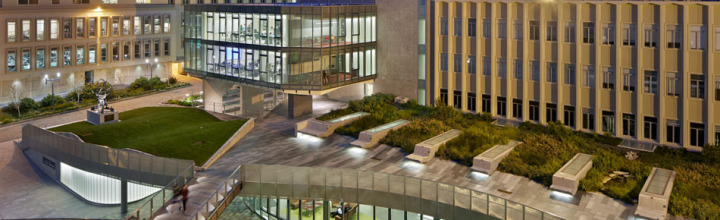
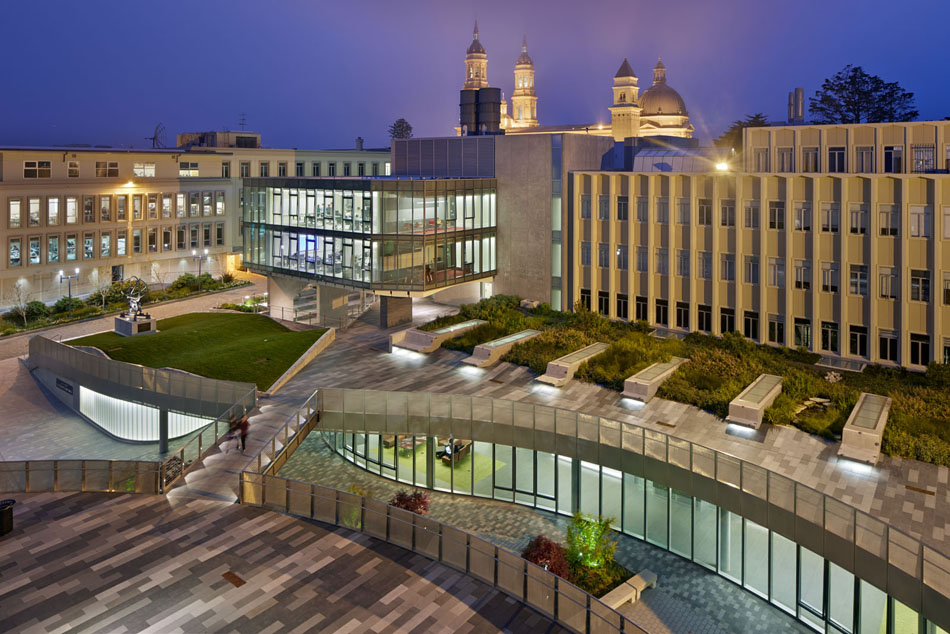
A transformative landscape approach completely reconfigures the social hub of the University of San Francisco Campus. The Science Center project, sited at the very focus of student life, demanded a new landscape typology that occupies center stage as it weaves through the primarily underground building. The design creates high-performing, multi-level outdoor-classrooms that treat, infiltrate, and collect stormwater, supports diverse native plant communities, and reestablishes the social heart of the campus for students, faculty, staff, and visitors.
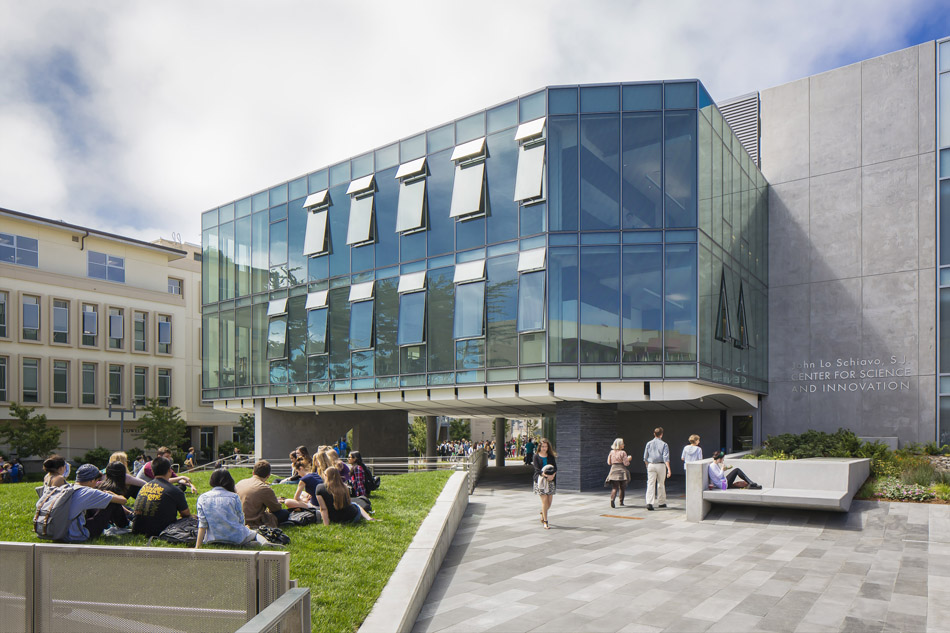
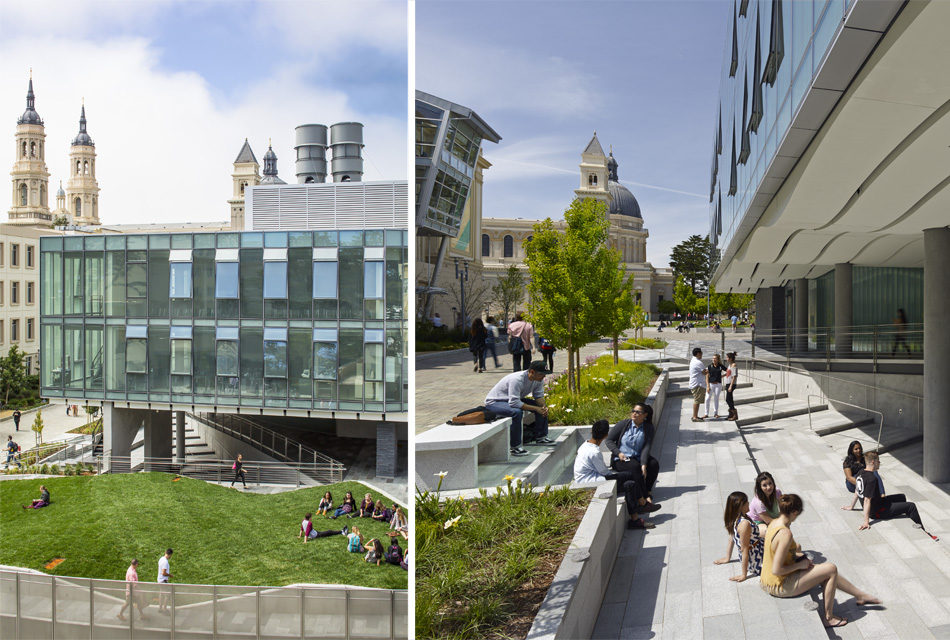
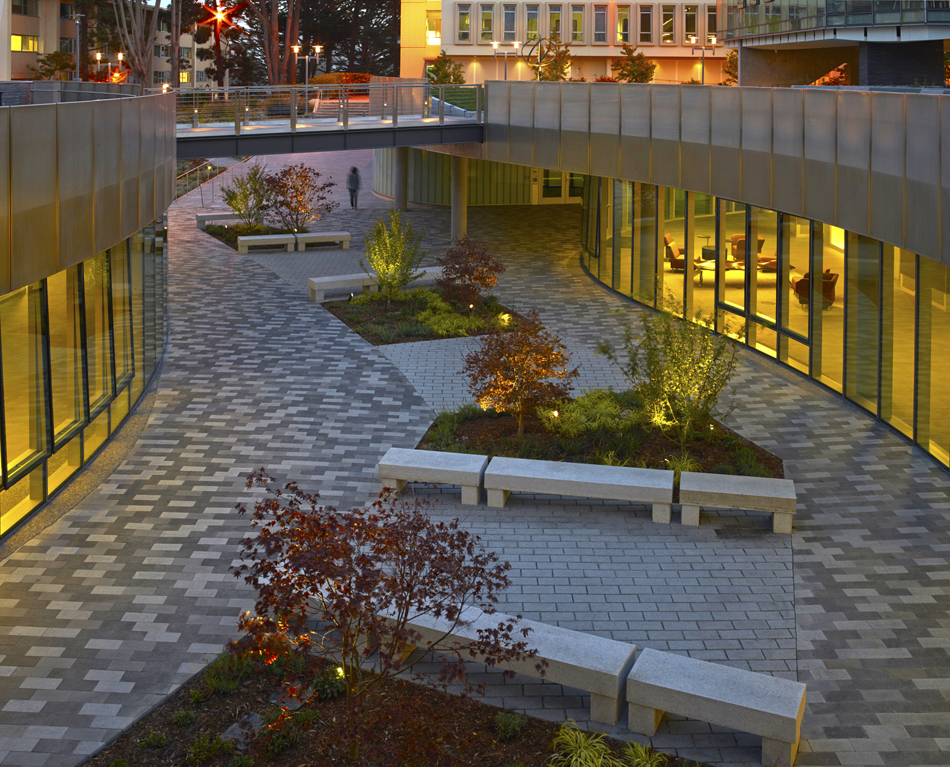
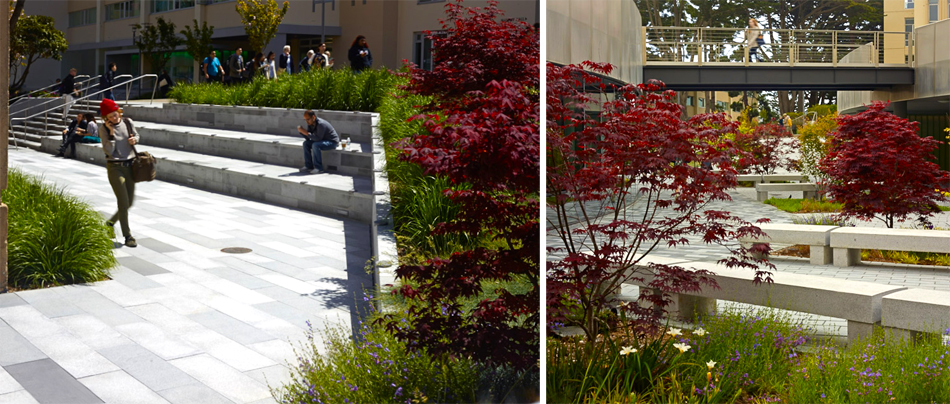
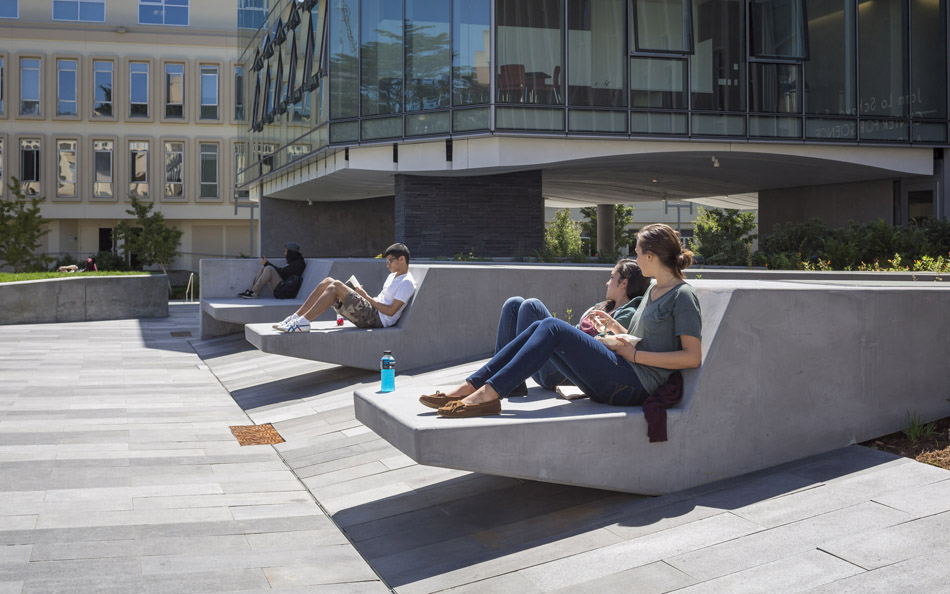
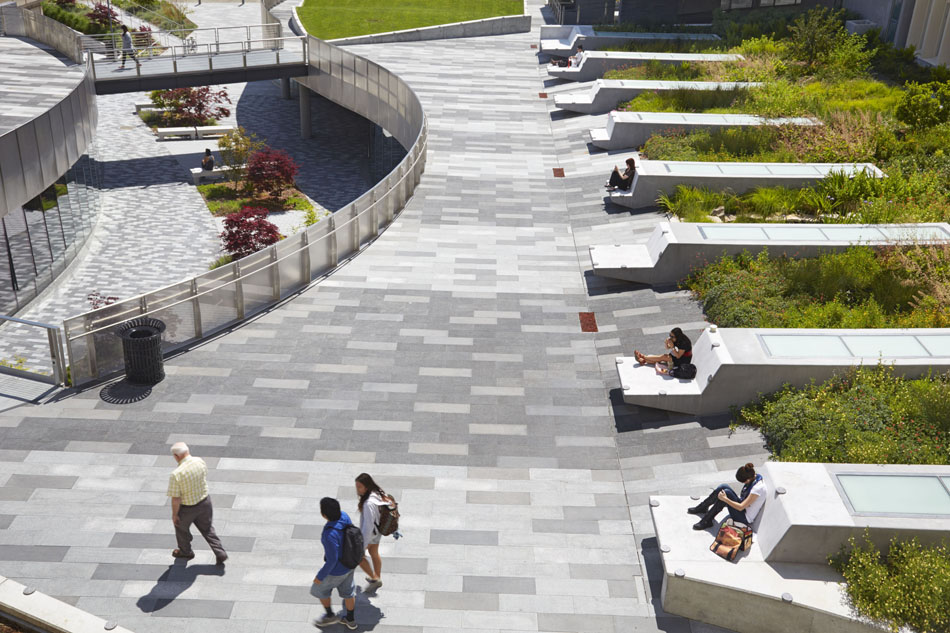
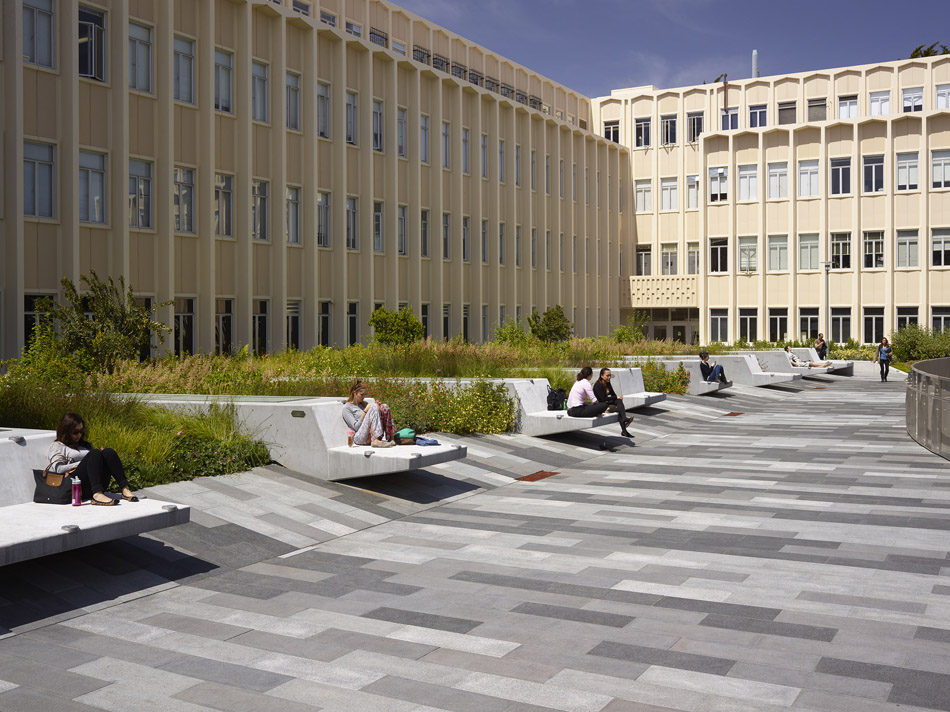
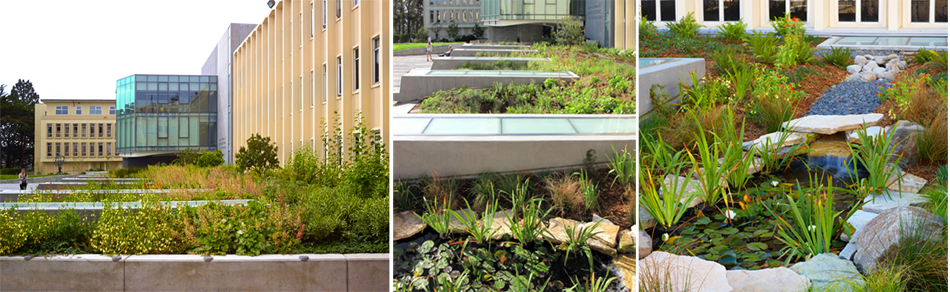
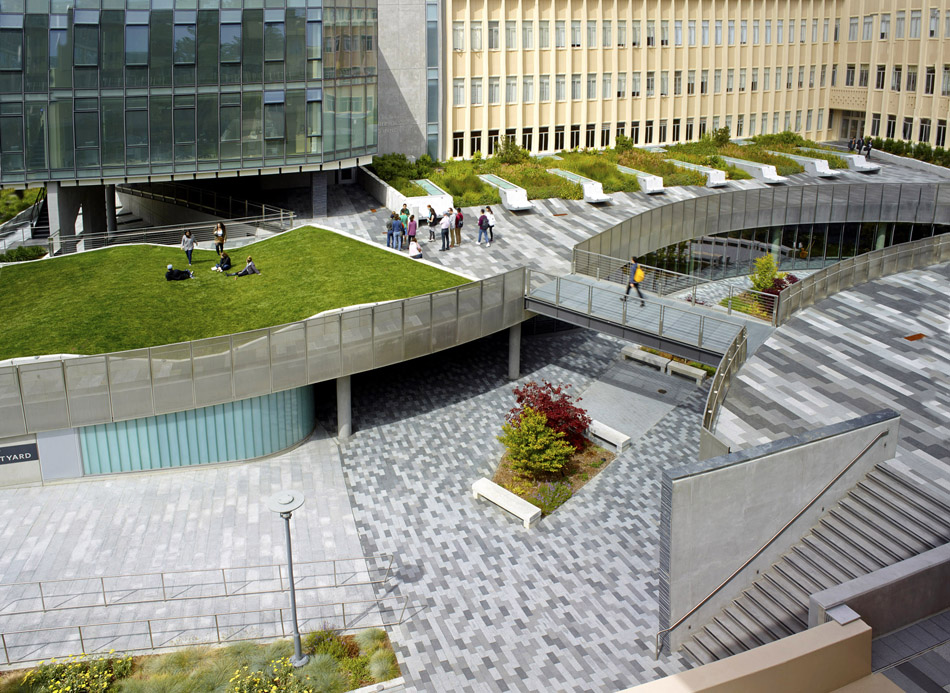
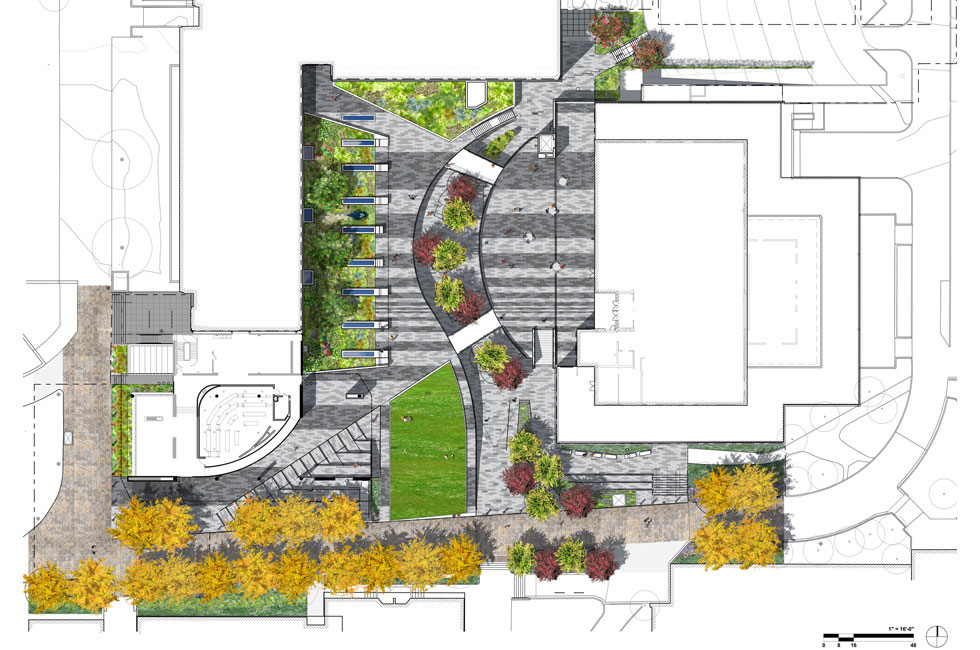
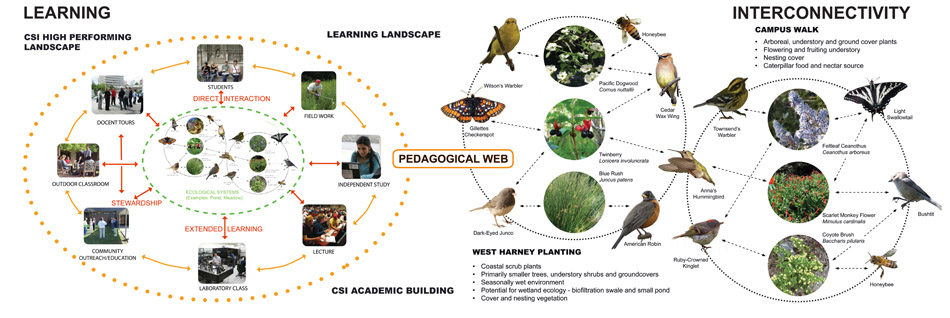
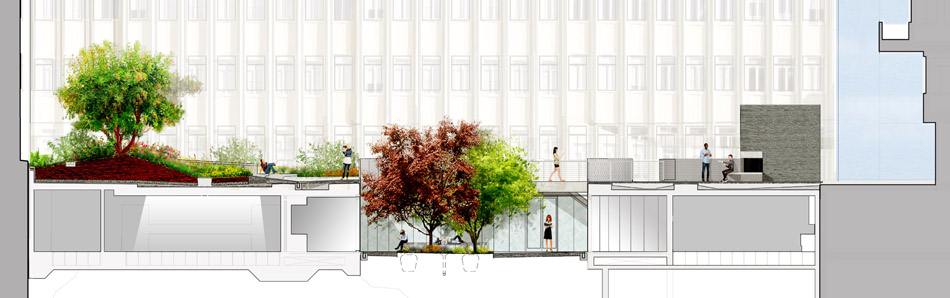
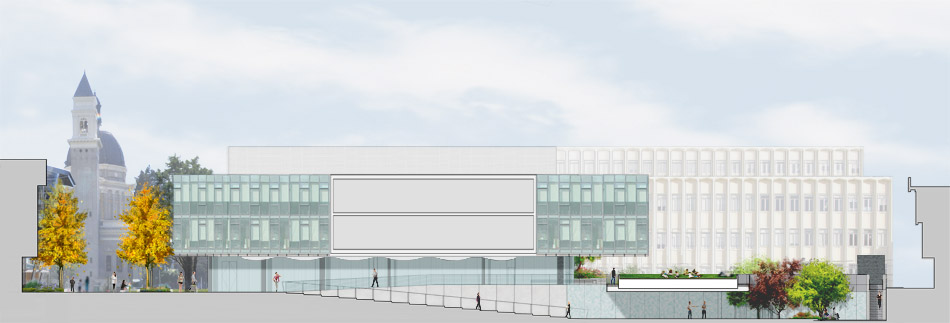
Breaking from a century-old tradition of landscape being subservient to surrounding buildings, this radically integrated design solution placed over two-thirds of the new building below ground, comprehensively redefining the existing plaza as a multi-level landscape connecting interior and exterior space and program. Limited land and topography demanded an unprecedented level of integrated project design and delivery that created a building and landscape typology that fully engages the topography, making it difficult to distinguish landscape from architecture. By establishing multiple circulations, accesses, and overlooks between interior and exterior, the design creates an experience of moving seamlessly between various expressions of “ground” on three separate levels at this nexus of the campus.
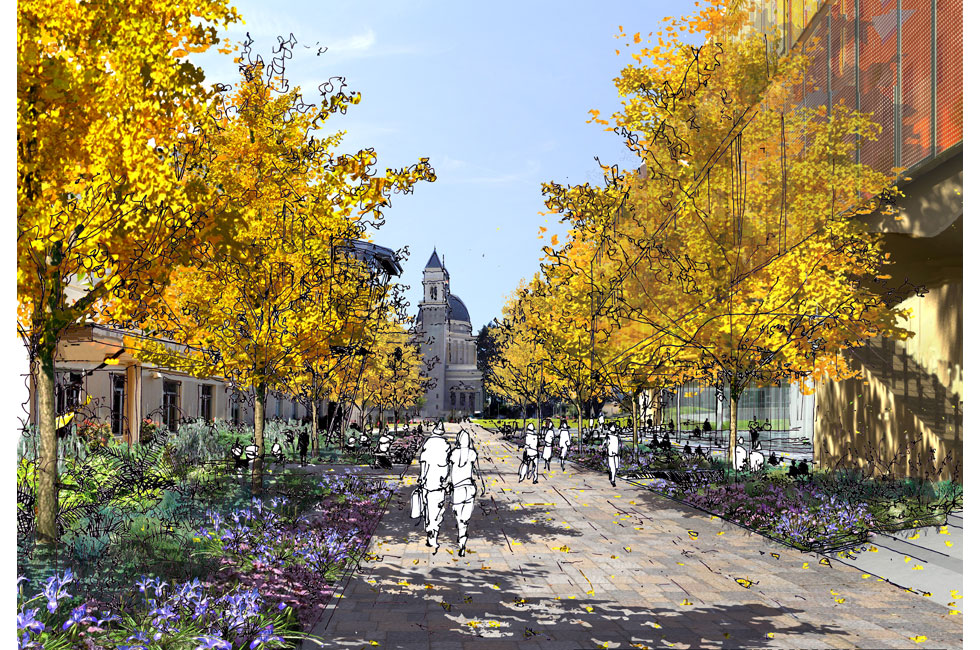
Location: Neighborhood San Francisco, Center for Science and Innovation, USF
Owner/Client: University of San Francisco
Scope: Landscape / Site Design
Status: Completed 2009
Photography: Sean Airhart, Bruce Damonte & Marion Brenner
Awards: 2014 Merit Award, ASLA NCC Awards, Commercial and Institutional, John Lo Schiavo, S.J Center of Science and Innovation at USF
Minna Street MAKER:Space
Minimalism for the Future
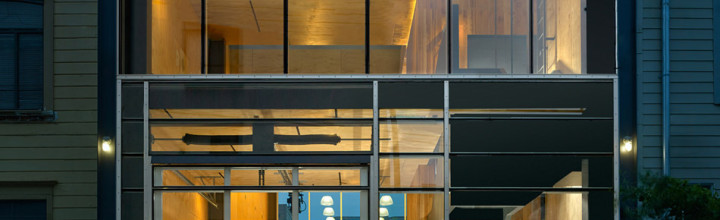
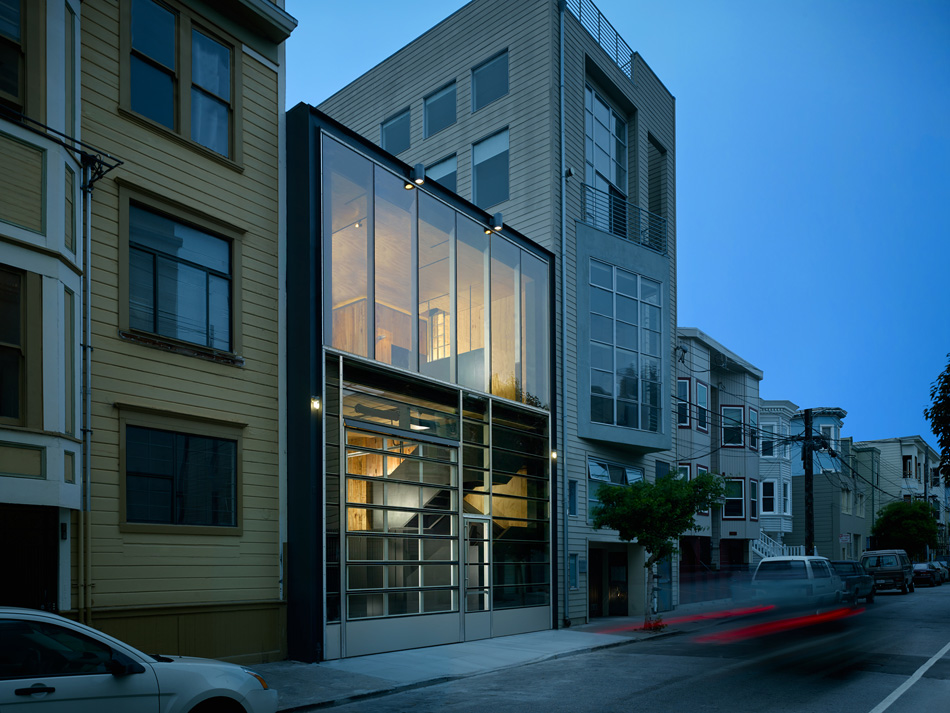
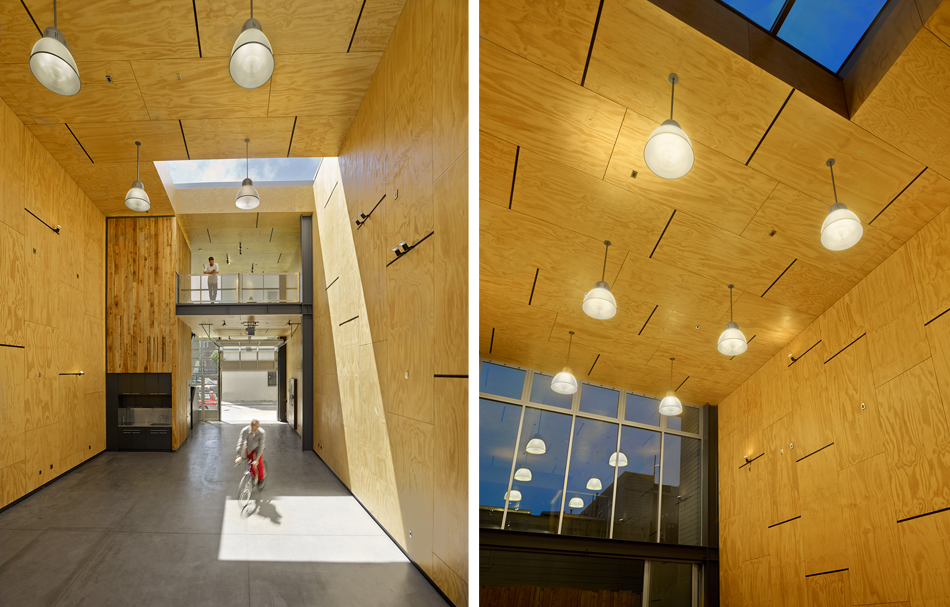
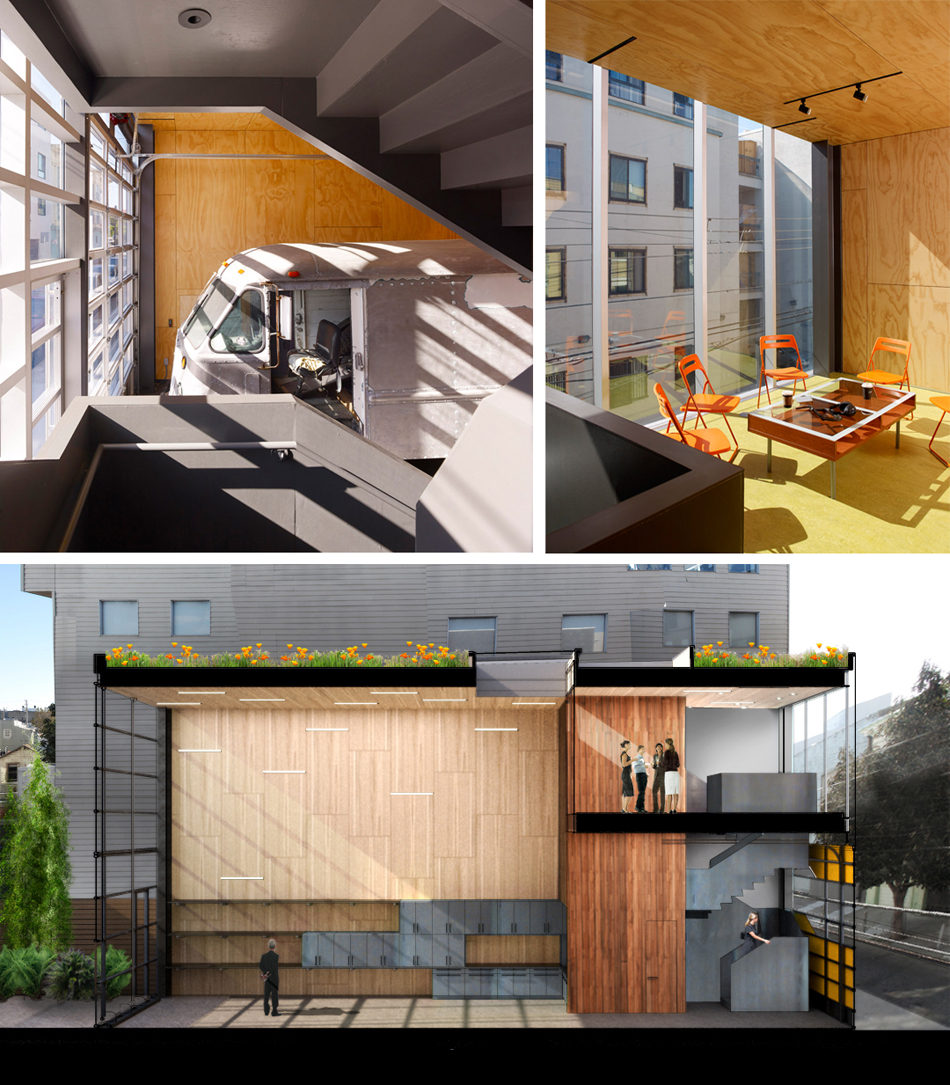
This project is a minimalist, open-ended event space for an avid maker-client and his creative partners to experiment and ideate. Located in the central Mission District of San Francisco, this simple plywood-lined tube serves as a hybrid office, event, laboratory, and workshop space all organized around a single three-level, vertical service core of reclaimed myrtle wood. The unencumbered volume integrates circulation, aperture, glazing, and high-performance systems to prioritize flexibility and future change.
The Multipurpose Core
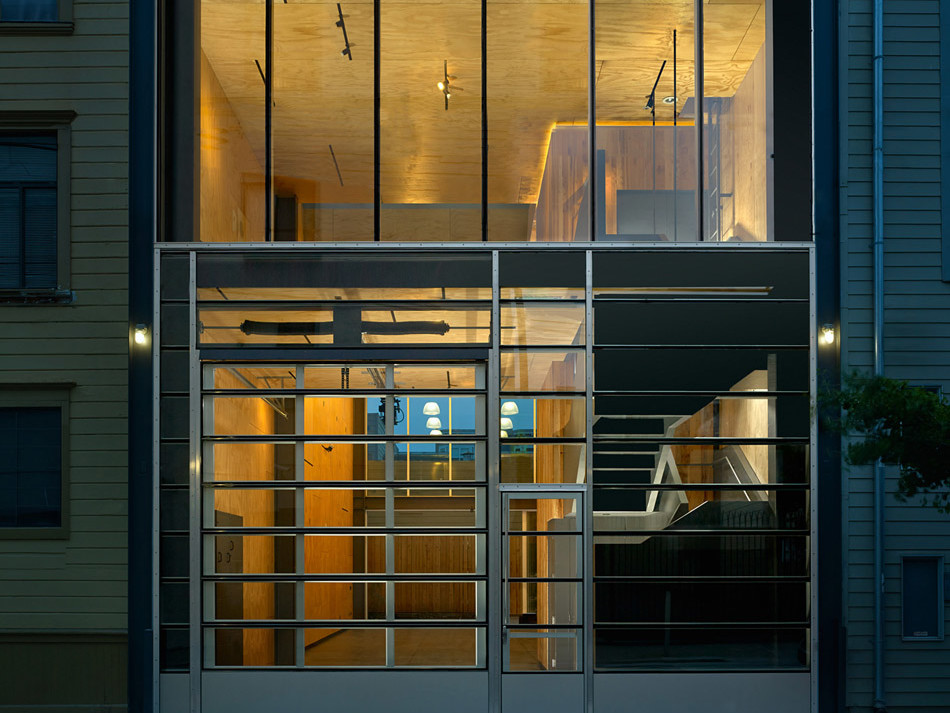
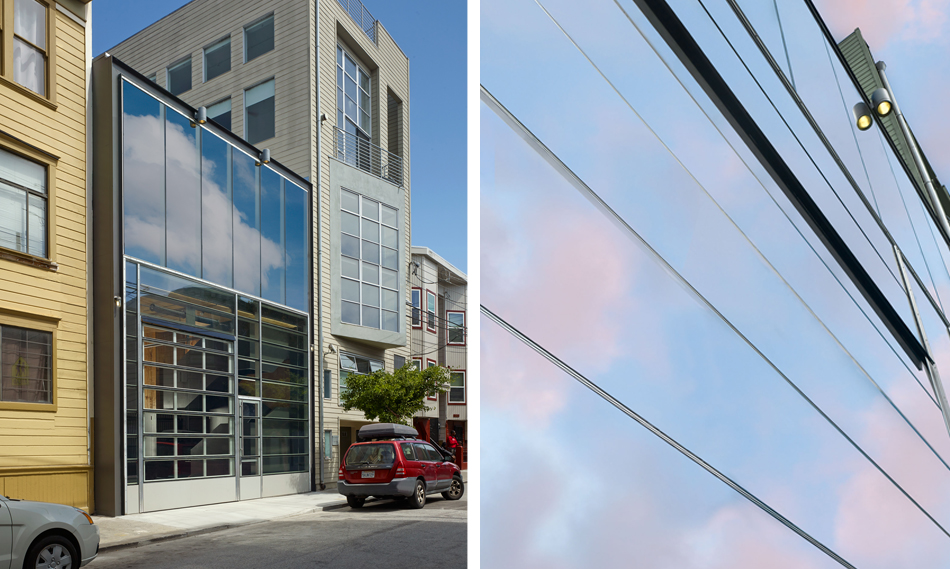
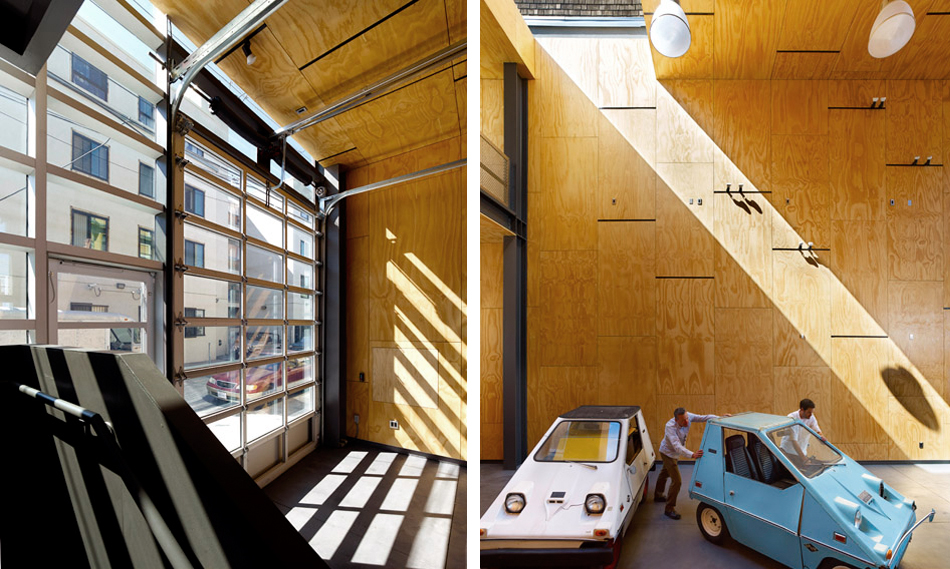
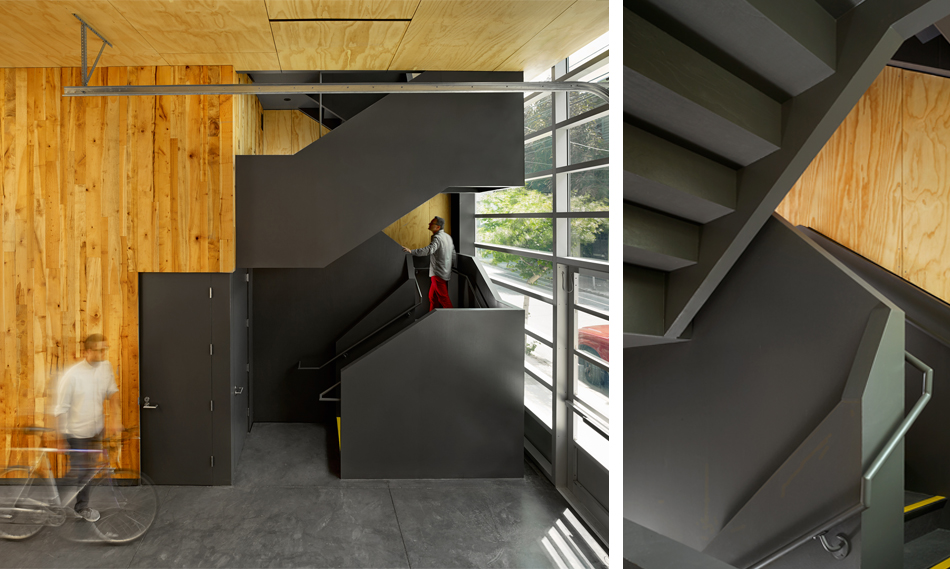
The three-level core at the center of MAKER:Space vertically consolidates all the functions of mechanical room, wet-lab, kitchen, and bathrooms within a three-level column. Accessed by a sculptural twisting stair, this service column allows the mezzanine office to be isolated from the workshop with glass curtains at two strategic locations. The smooth glass street façade dematerializes the dense urban fabric in which it is inserted, creating a shimmering void reflecting the sky by day and a glowing interior by night, while seamlessly integrating both vehicular and pedestrian access from Minna Street.
Workshop
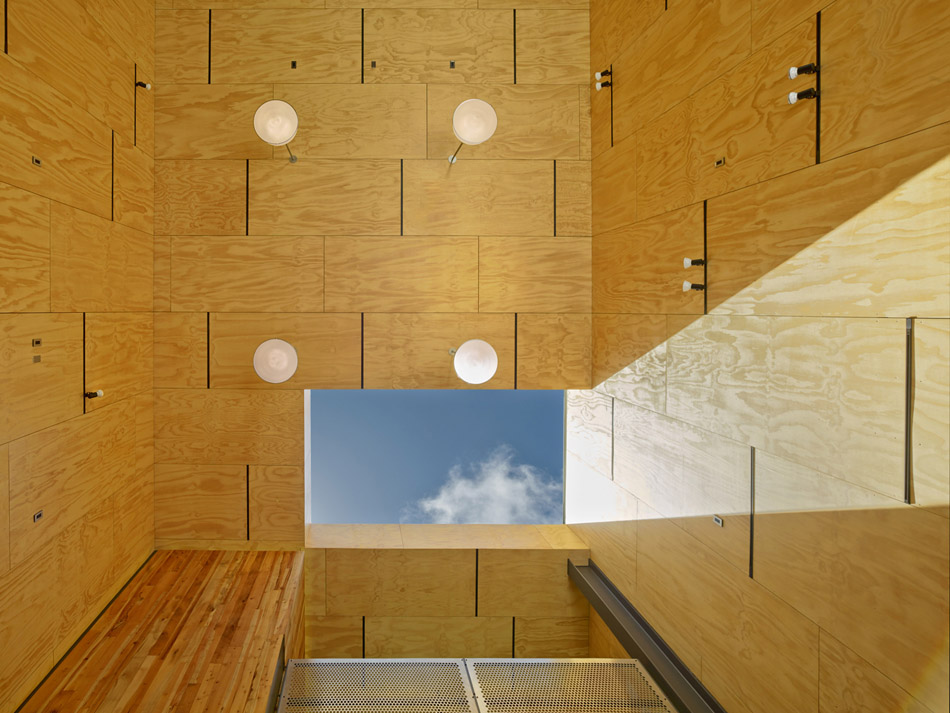
The original auto repair garage building was mostly demolished to allow the new generously open (both formally and programmatically) tube-like volume to connect the street to a private outdoor yard workspace at the rear of the site. Maximizing glazing on both ends allowed for natural light and passive cross ventilation, including a fully retractable skylight at its core where one can access the native meadow roof garden.
Floating in the Prismatic Void
Walls and ceilings are laid out in a rational full sheet plywood pattern to minimize waste. INTERSTICE Architects introduced light tracks into the joints in a randomized pattern to allow flexibility of future program possibilities and a myriad of light types, from orientable spots, floods, pendants, and line voltage theatrical spots, to plug-in projectors and accessories. Six dimmable, high-intensity industrial fluorescent fixtures float like oversized balloons in the prismatic void—an unencumbered volume which integrates circulation, aperture, glazing, and high performance systems to prioritize flexibility and future change, all within a clearly defined space that breathes natural light in constant dialogue with the sun and the ever-changing seasons.
Location: Mission District, San Francisco
Owner/Client: Undisclosed
Scope: Studio, Office, Workshop
Status: Completed
Photography: Cesar Rubio
Awards:
-Kirby Fitzpatrick Award, The Architectural Foundation of San Francisco 2016
-AIA California Council Merit Award for Architecture 2015
AIA California Council Awards Interview with Andrew Dunbar
Middle Lake Rehabilitation, Golden Gate Park
Photos: all images Andrea Gaffney, unless noted
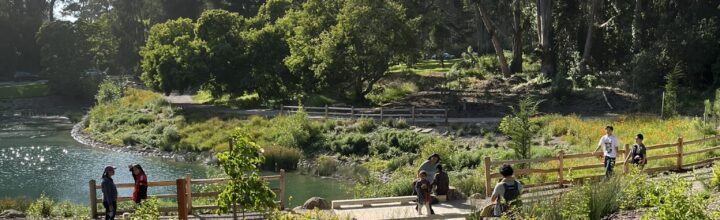
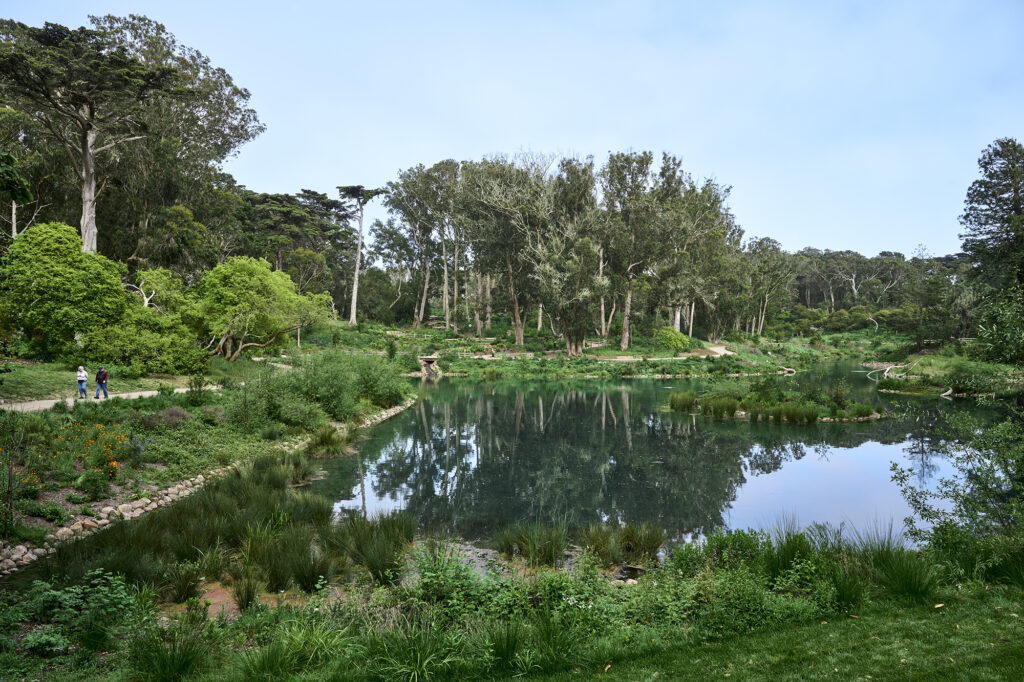
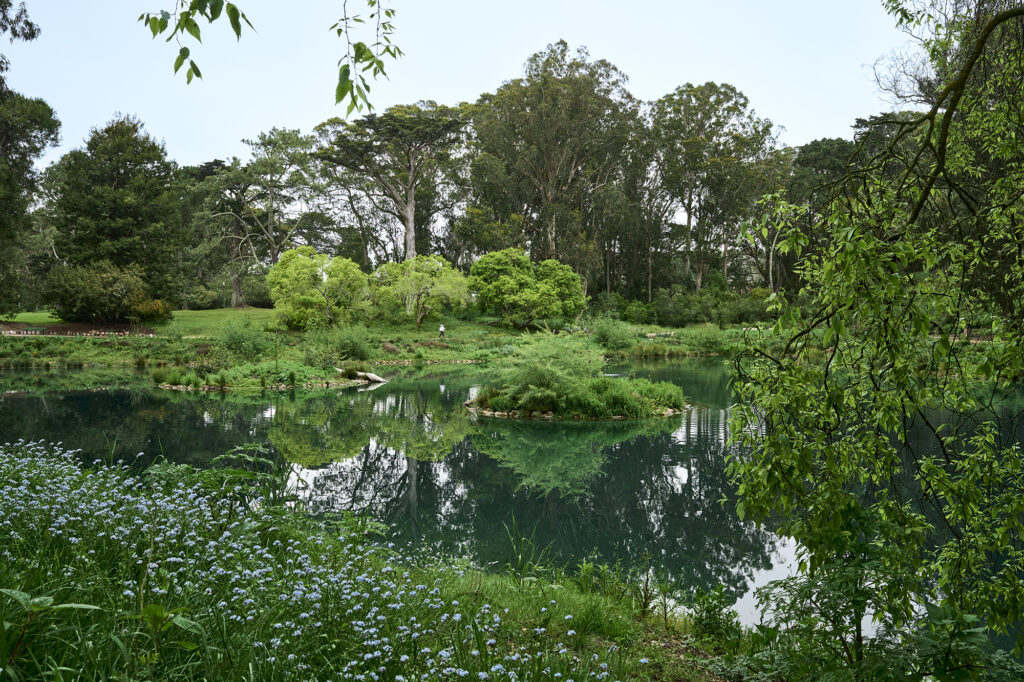
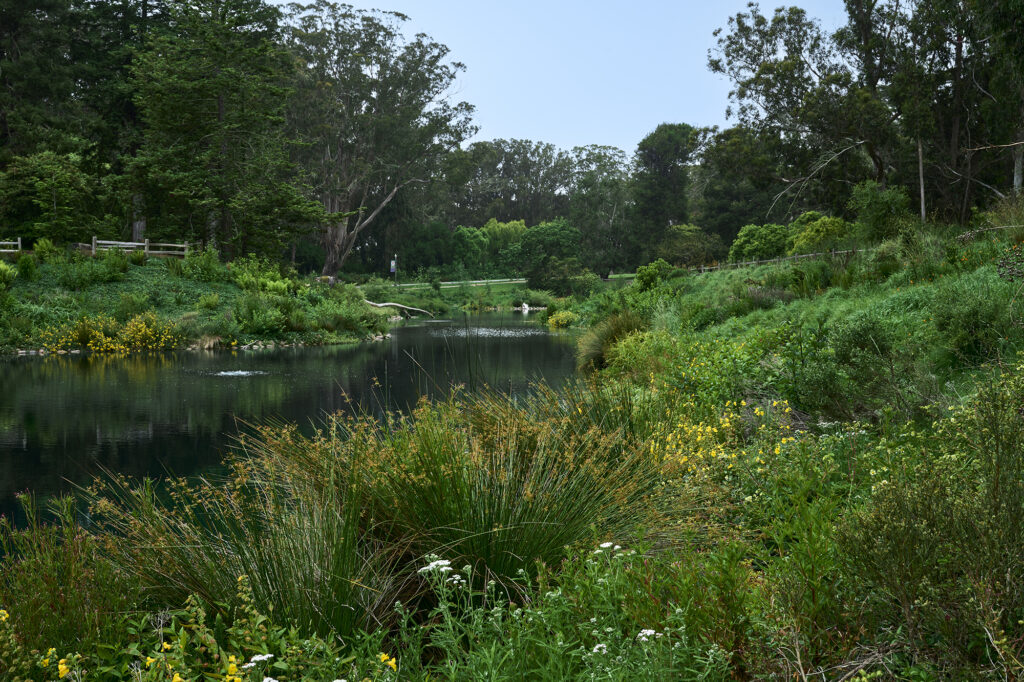
In 2022, INTERSTICE was engaged in an ambitious project to restore Middle Lake in Golden Gate Park, transforming it from a dried-up basin into a vibrant habitat teeming with life. Middle Lake, the missing link in the “Chain of Lakes” series of three interconnected lakes in the west end of San Francisco’s Golden Gate Park, has faced significant ecological decline over the past 150 years since the park was conceived, due to leaks in its clay liner, reduced water depth, algae buildup, and the encroachment of invasive species. Mere improvements were insufficient to save the lake; it required a comprehensive restoration.
Teamwork Creates A Healthy Community and Habitat
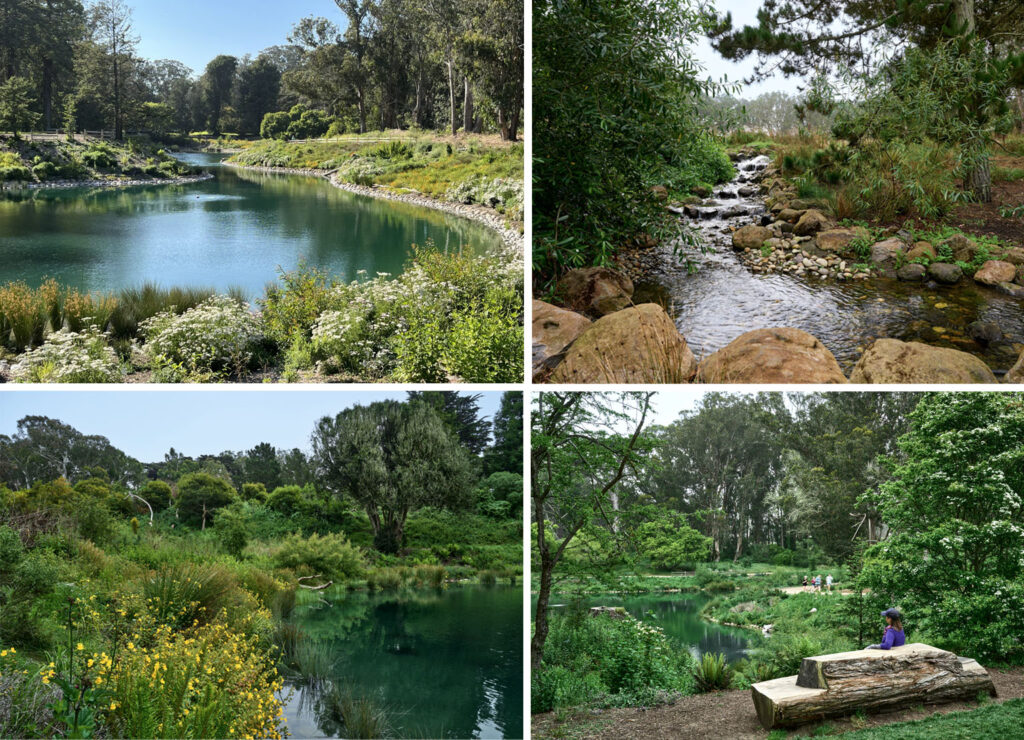
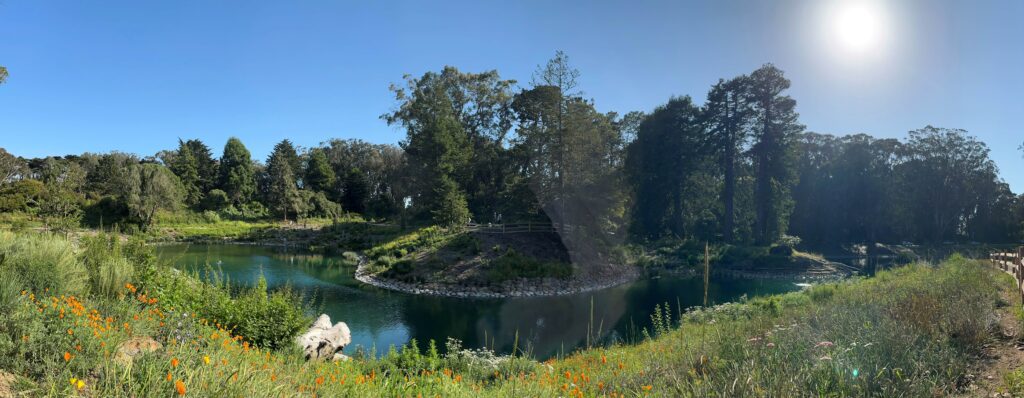
With INTERSTICE in the role of landscape architect on the Construction Team working with San Francisco Recreation and Parks, San Francisco Department of Public Works, Woodard & Curran Civil Engineers, AGS Engineering, Bauman Construction and Catmex Landscaping, over the past nearly two years – Middle Lake has been transformed into a stunning 85,000-square-foot body of sparkling luminous water surrounded by over 10,000 plants including native shrubs, grasses, aquatic plants, wildflowers, native oaks, confers, and dogwood trees. The community input and design effort led by SF Recreation and Parks and developed by Woodard & Curran with the Office of Cheryl Barton engaged numerous stakeholder inputs, including the adjacent residential community, park operations, and multiple city departments related to the environment and its stewardship. The lake is now a lively ecosystem buzzing with insects, bees, and birds and is already home to a goose family that moved in during late construction, gracing the area with six goslings this spring. Raptors tour the skies over the new lake, alongside perching songbirds and numerous shorebirds.
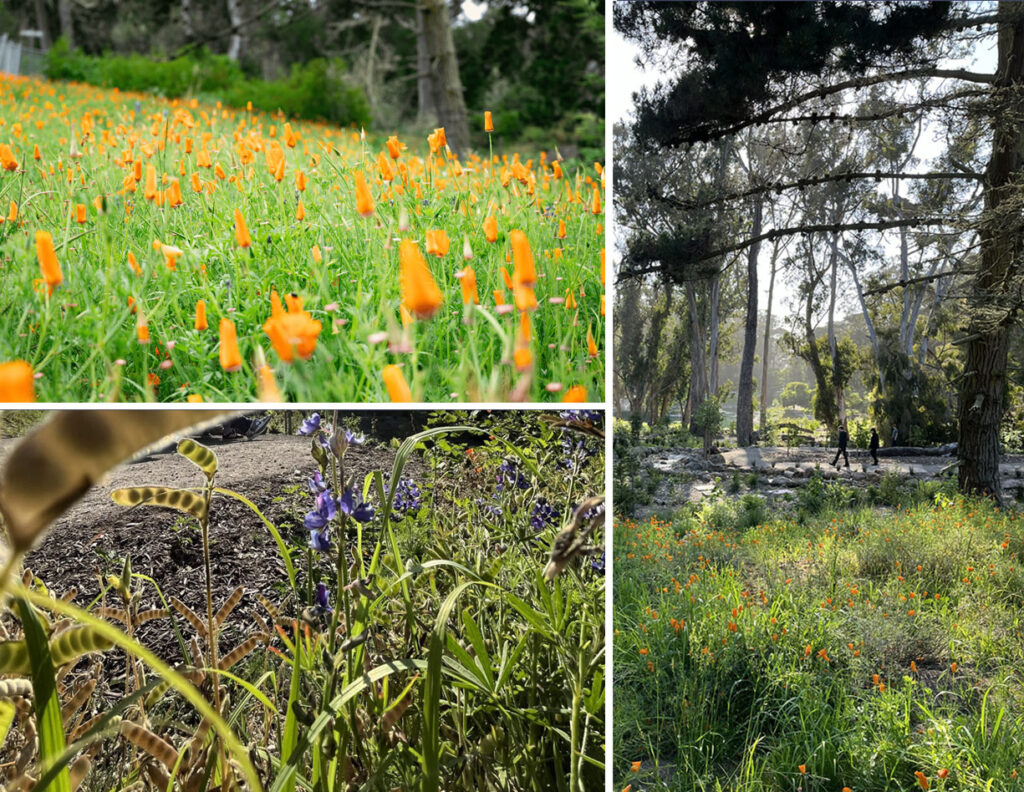
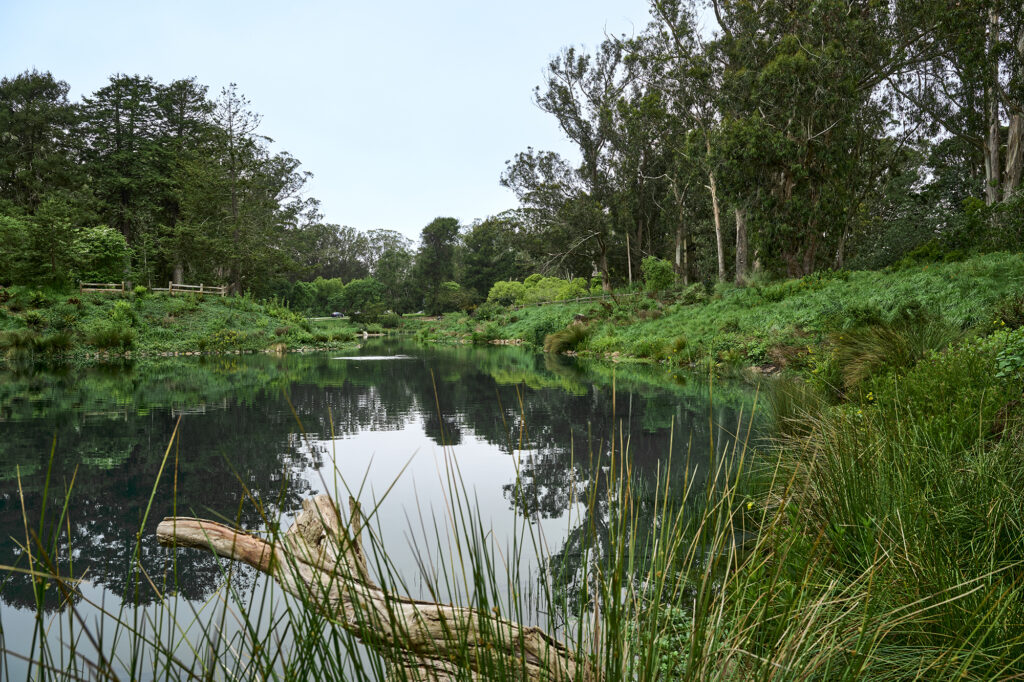
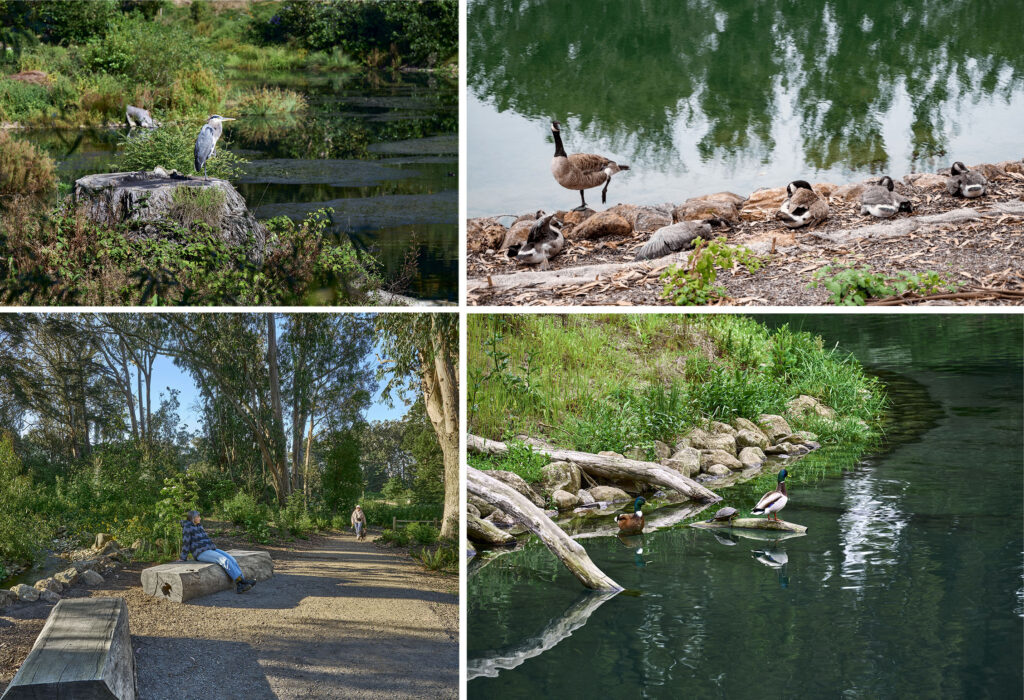
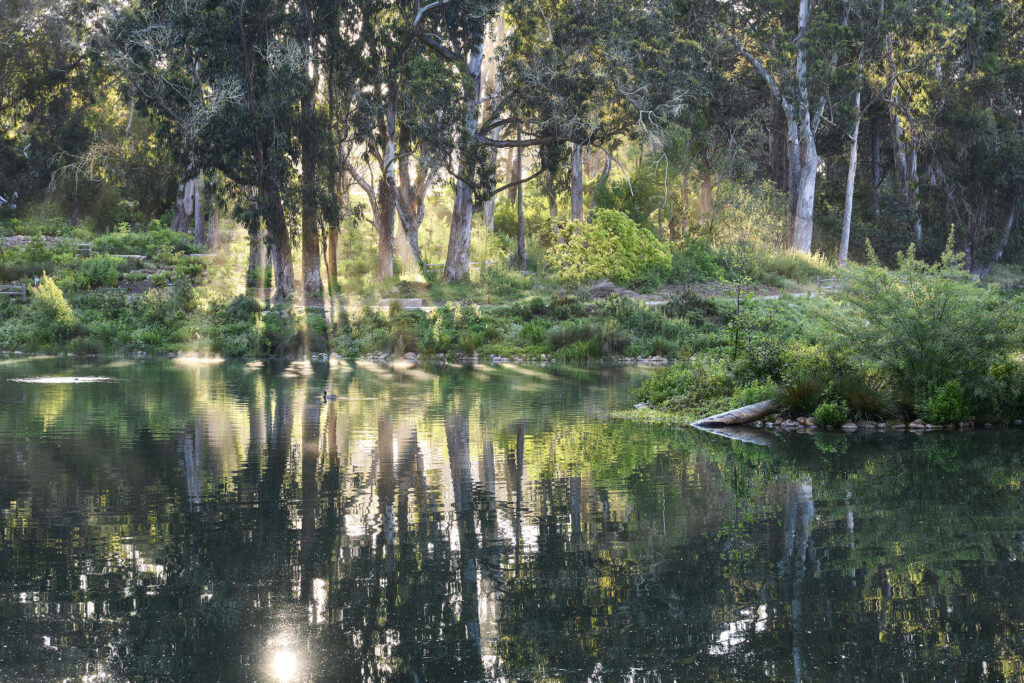
Even prior to its official reopening, the lake had drawn many eager park users, who sneaked through small openings in the fencing to take a look and enjoy walks on its trail that wraps around its half-mile edge. Construction was delayed to accommodate a hawk family that had nested during the construction start-up. Now there is a thriving raptor community soaring above this new and growing riparian ecosystem.
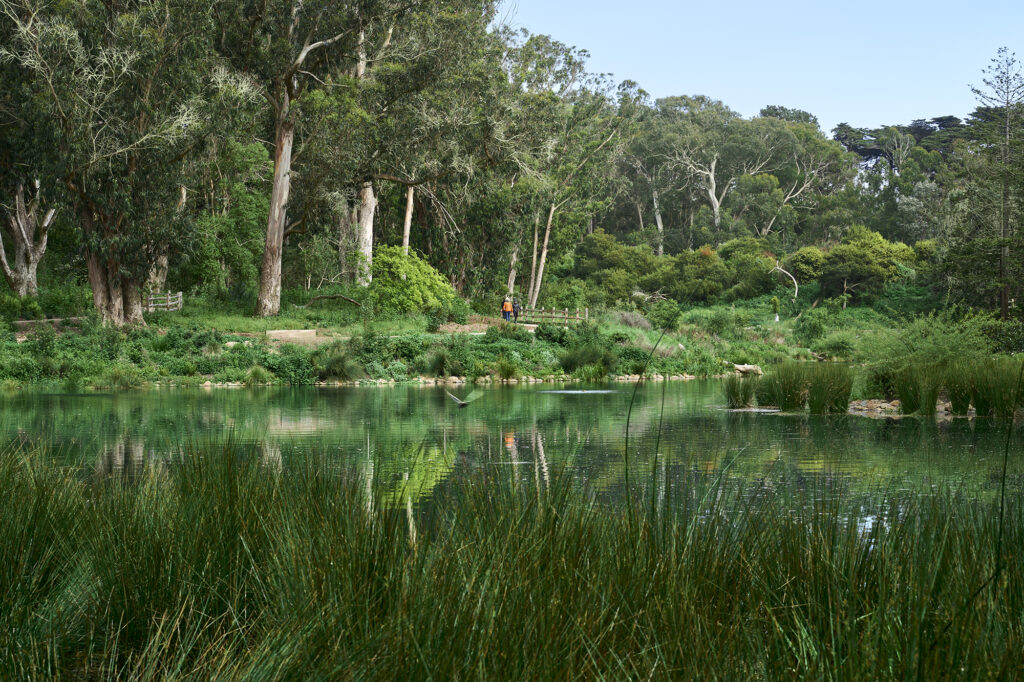
A System Designed to Create a Healthy Aquatic Ecosystem
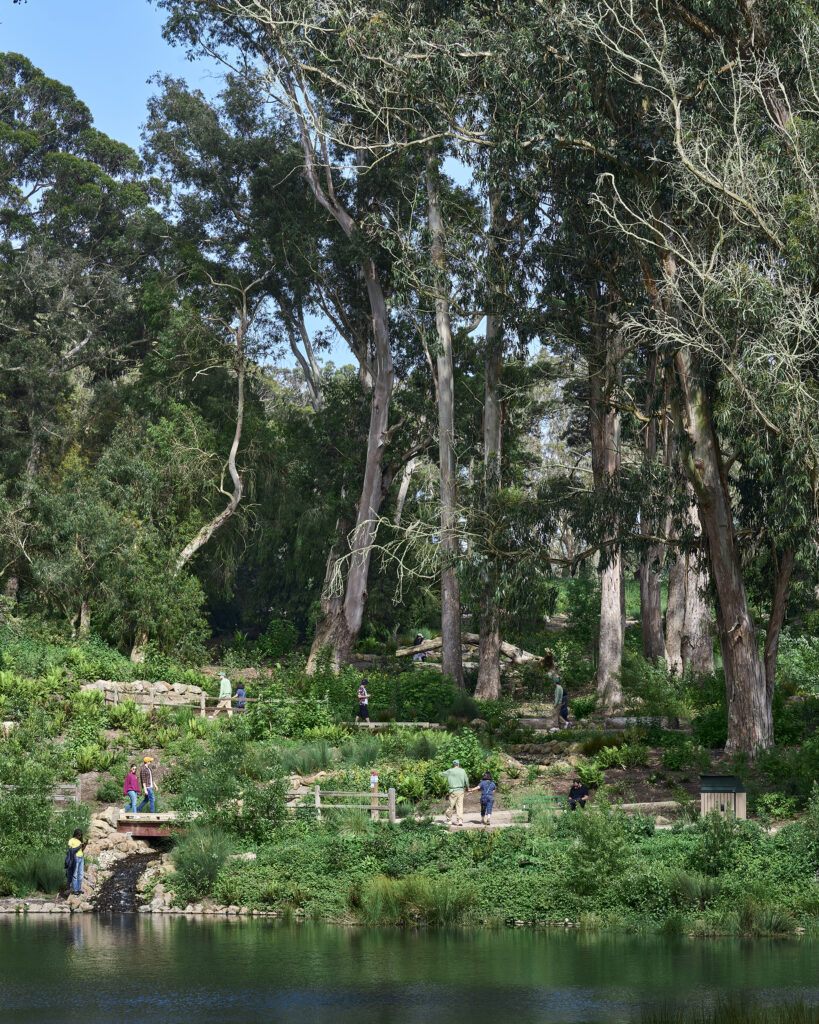
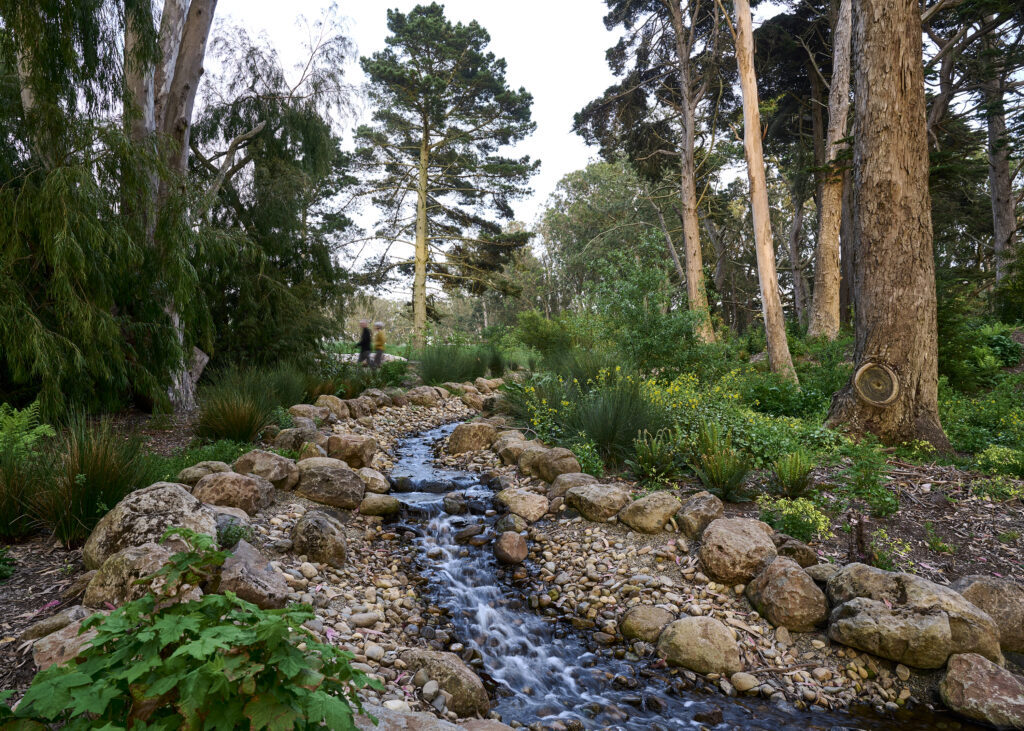
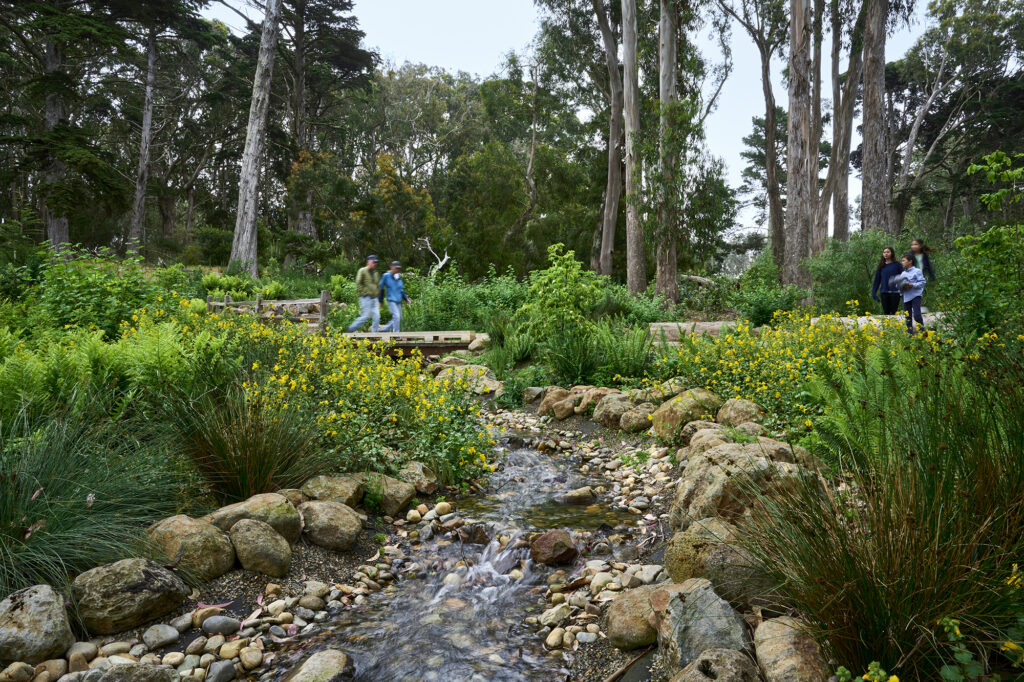
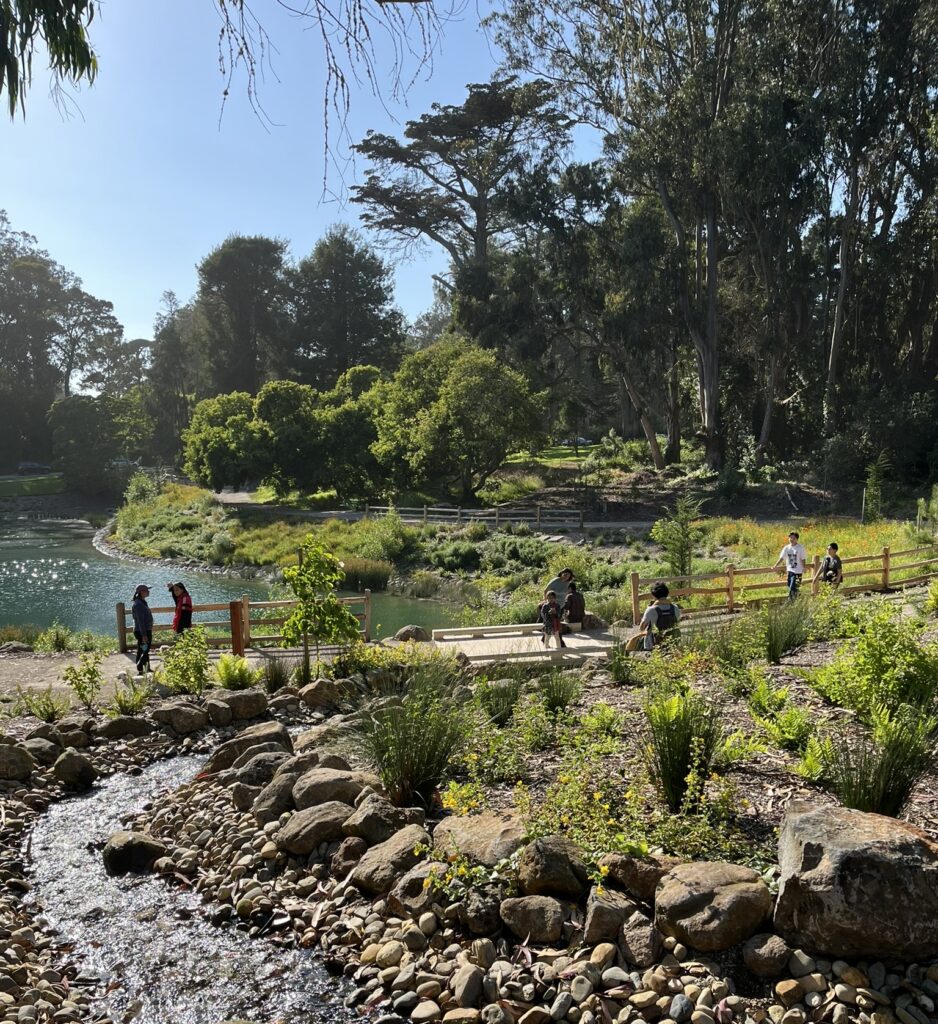
The restoration process involved an initial assessment of the lake, followed by the removal of 25,000 cubic yards of silt to create and contour a seven-foot-deep basin with two historic islands, and the installation of a new nearly 2-foot-deep clay liner meant to maintain the water level long term. To ensure a healthy water level and good water quality, the design added a cascading stone streambed (the Cascade) that flows adjacent to an intentionally meandering and accessible path, crossed by footbridges, that provides water to the lake below from the park’s Fly-Casting Pools situated to the east of the Lake. Aerators at the lake’s bottom recirculate water and oxygenate the lake’s hydronic column. Overflow from South Lake flows into Middle Lake’s newly designed, stone-lined inlet and circulates out again at the new outlet spillway, into North Lake, connecting the Chain of Lakes with a constant flow of fresh water.
The Cascade stream, along with the south-to-north cross flow, not only significantly reduces algae growth by keeping the water’s surface in motion, creating a healthier aquatic environment, but it also creates the delightful experience for park visitors of the sound of a burbling creek, flowing over natural stone water weirs and check-dams, swirling between deeper pools on its sinuous journey down the eucalyptus-forested slope – a visually and aurally exhilarating and memorable experience.
Native Plants Increasing the Biodiversity of Both Flora and Fauna
The planting of native upland species such as California sage, beach strawberry, Coyote Brush, wild rose, California poppy, and lupine attract butterflies and hummingbirds, help stabilize the soil, and provide protected habitats for many of the park’s wildlife. Other important plants that are creating and conserving habitat include newly planted coast live oak trees, coast redwoods, Monterey cypress, alders, and woodland flowering dogwoods, whose canopies will expand to further frame views and provide shade and intimacy along the lakeside paths that circumnavigate the new water body. Numerous native grasses, perennials, ferns, and shrubs fill in the extensive palette of understory flora carefully selected to enhance the biological interdependence of the park’s thriving ecology. The lake’s restoration is expected to attract about 350 different animal species to its shores, including ducks, frogs, salamanders, turtles, dragonflies, and a multitude of bird species.
Aquatic Specific Design
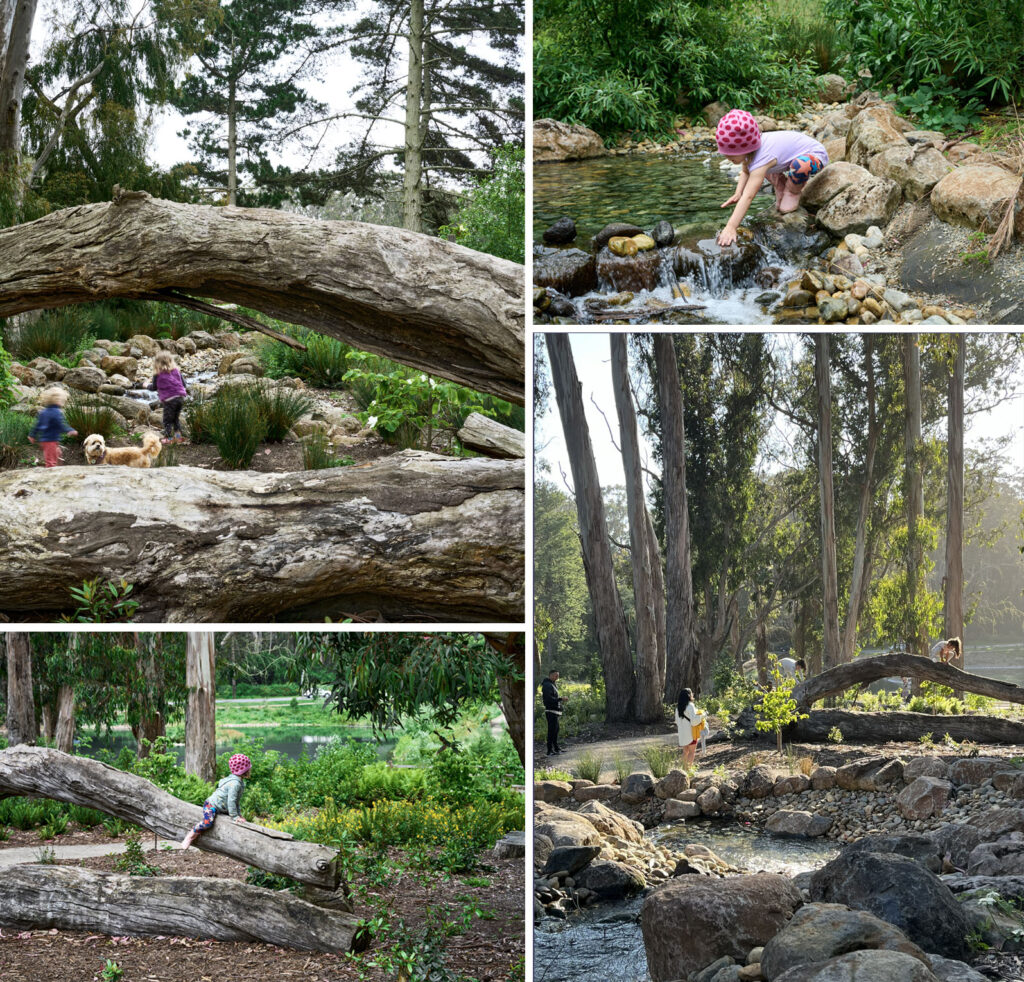
The design of the lake-reinforced shore and small island prioritizes a sequence of shallow “literal zones” where sunlight and oxygen are easily accessible to aqueous plants and small creatures that find shelter from predation in these teaming shallows at seven locations along the lake’s edge where additionally large fallen tree trunks are strategically positioned to enhance this productive protected edge. Here the base of the food chain is born and develops, allowing the lake ecology to flourish. The largest aquatic shelves are situated at the lake’s outlet and inlet where these 4 to16 inch-deep shallows are built up to create the lake’s natural filters and most generative biological zones.
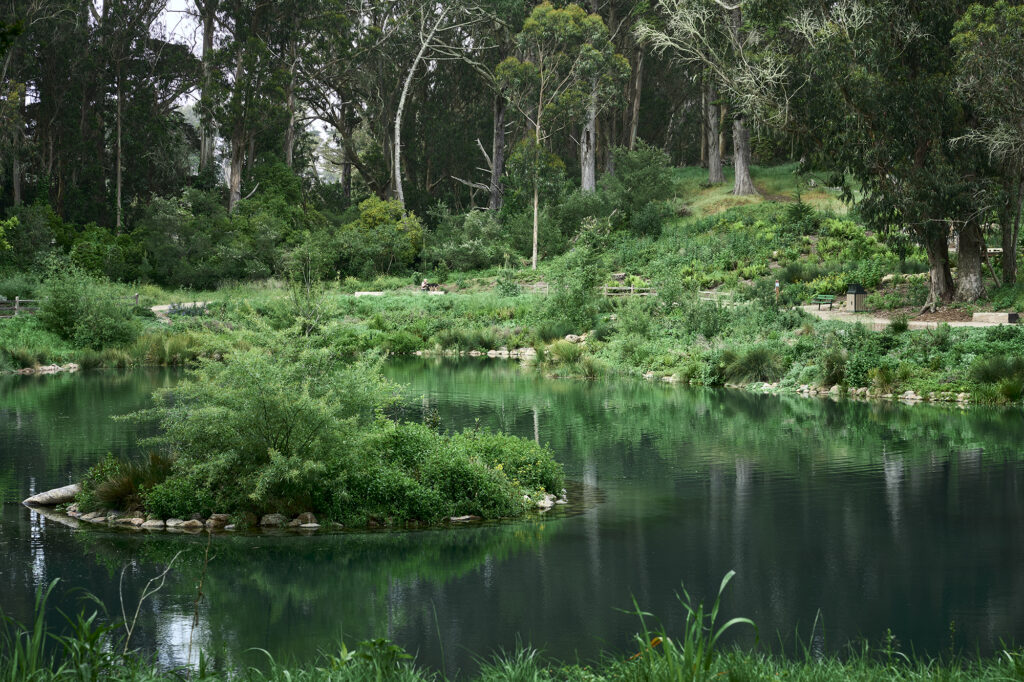
Another ecological and environmental benefit of the lake, besides enhancing biodiversity, improving water quality, and increasing habitat, is that it acts as a significant source of carbon sequestration. The lake bed captures and stores carbon from organic matter that settles there. The newly planted vegetation also aids in capturing carbon and helps mitigate the impacts of global warming. Moreover, the lake helps regulate local temperatures, supports groundwater recharge, and contributes to the overall health of Golden Gate Park’s natural environment.
A Place for Plants, Animals and People
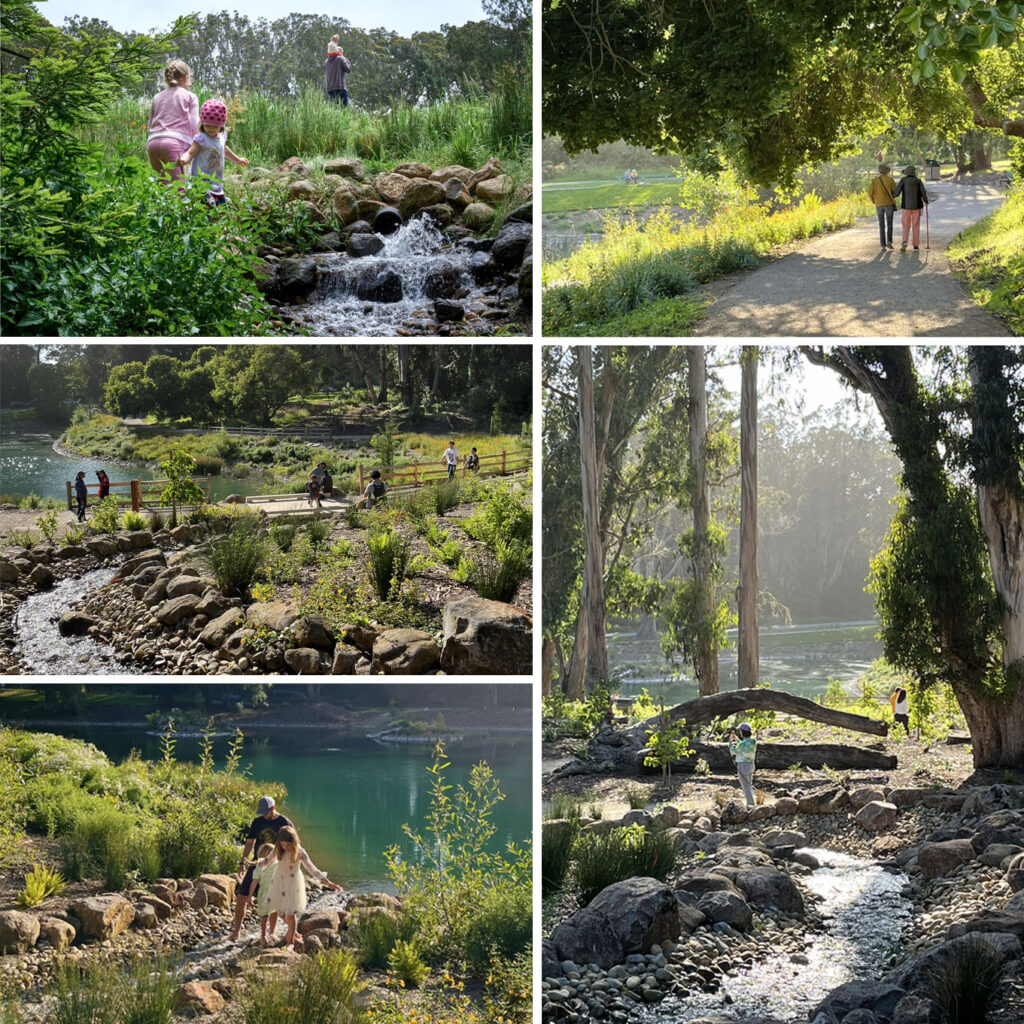
As of July 2024, Middle Lake is now open, offering the community a serene place to relax by the water amidst bright, colorful flowers, with ample opportunities for walking, bird-watching, contemplation, and picnicking. The main entrance to the lake is from Chain of Lakes Drive East, which features a small parking lot and connects to the lake’s curvilinear pathway loop. The lake can also be accessed from the fly-casting pools located above the lake by way of a winding path, lined by flowering dogwoods beside the creek, leading down across two wooden footbridges towards the lake edge path loop.
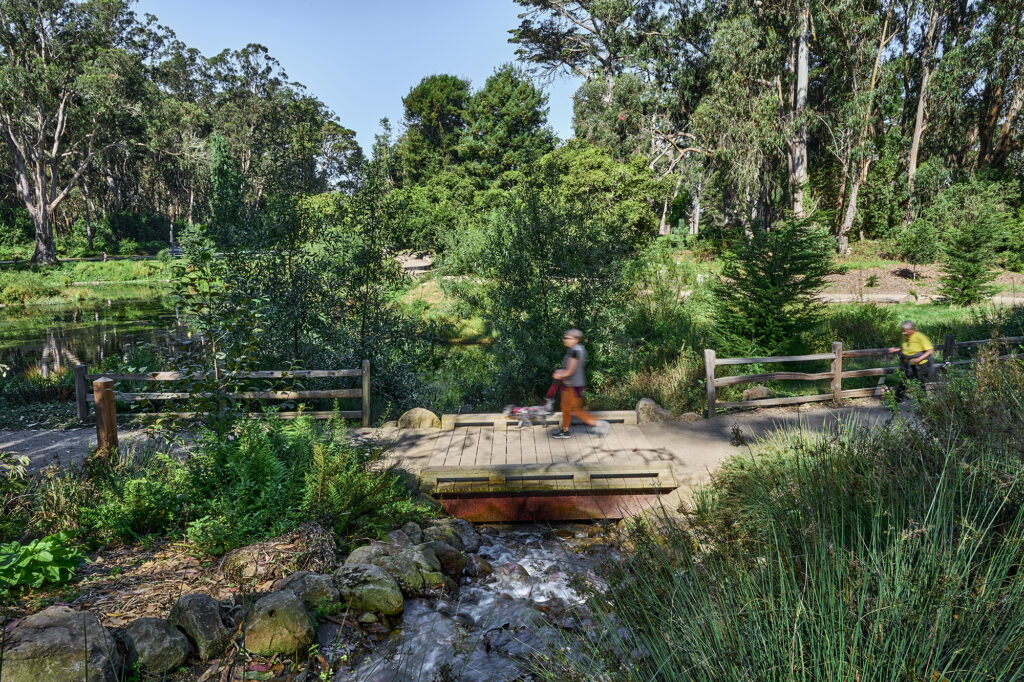
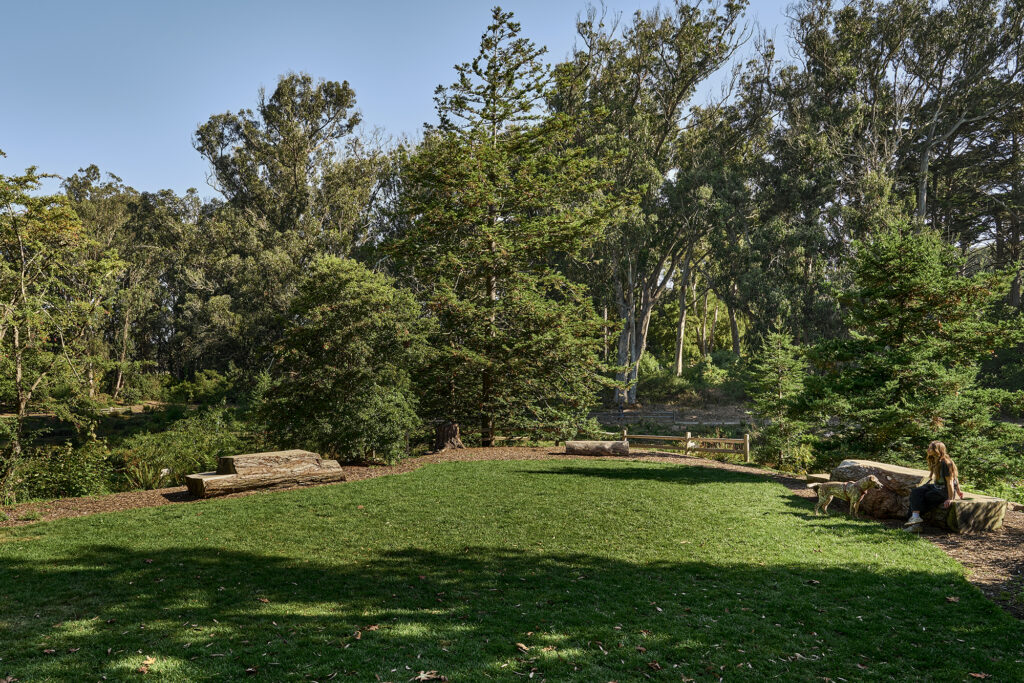
Visitors to Middle Lake will also discover numerous places to enjoy vistas of the lake and contemplate this new environment – the Wedding Lawn on the south that overlooks the lake and is found within a grove of Redwoods, both existing and new and surrounded by benches fabricated from a repurposed and harvested redwood from the site; around the perimeter are park benches to enjoy lake vistas, and large sit-able logs made of harvested eucalyptus trees that were removed due to hazardous conditions and recontouring for the routing of newly proposed pathways; more log seats and sculptural logs along the Cascade path as places to pause, hear and see the adjacent cascade waterway, and spots to allow youth to engage with the natural environment through a series of informal goat paths.
Gratitude for our Team and a Mission Fulfilled
Participating in the conservation of this lake has been an honor and a testament to teamwork. Through restoring Middle Lake’s natural beauty and ecological value, and enhancing its role in our local ecosystem, our team has had the opportunity to contribute to our City community and our region’s health, biodiversity, and resiliency. We are excited to share it with the community and invite everyone to experience its transformation firsthand. This restoration is a testament to the power of thoughtful design and community collaboration. The rejuvenation of this area in Golden Gate Park will have lasting benefits for both the environment and the community – hopefully for at least another 150 years to come. We invite everyone to visit and enjoy!
Location: Golden Gate Park, San Francisco.
Owner/Client: SF Recreation and Parks Department / SF Department of Public Works
Scope: Public Park
Status: Construction Complete
Photography: Andrea Gaffney and Oscar Roussel
MIRA SF – Transbay Block 1
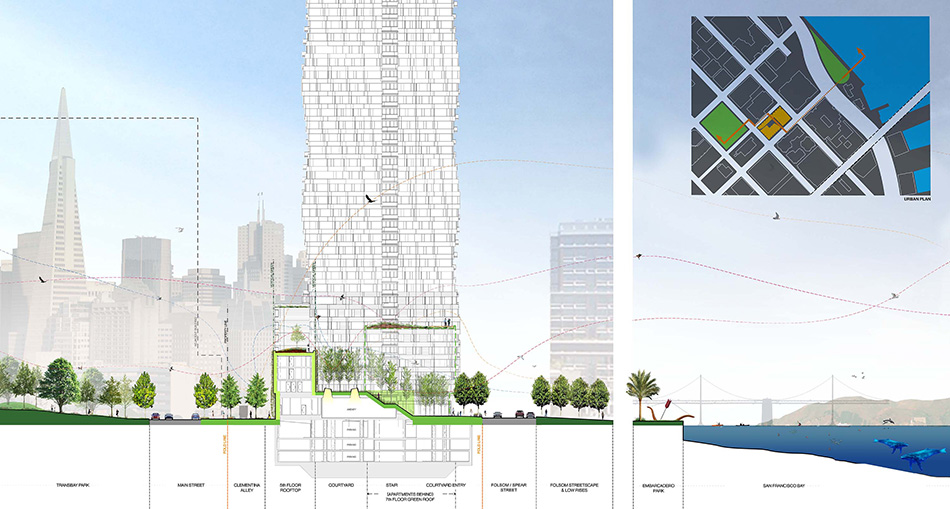
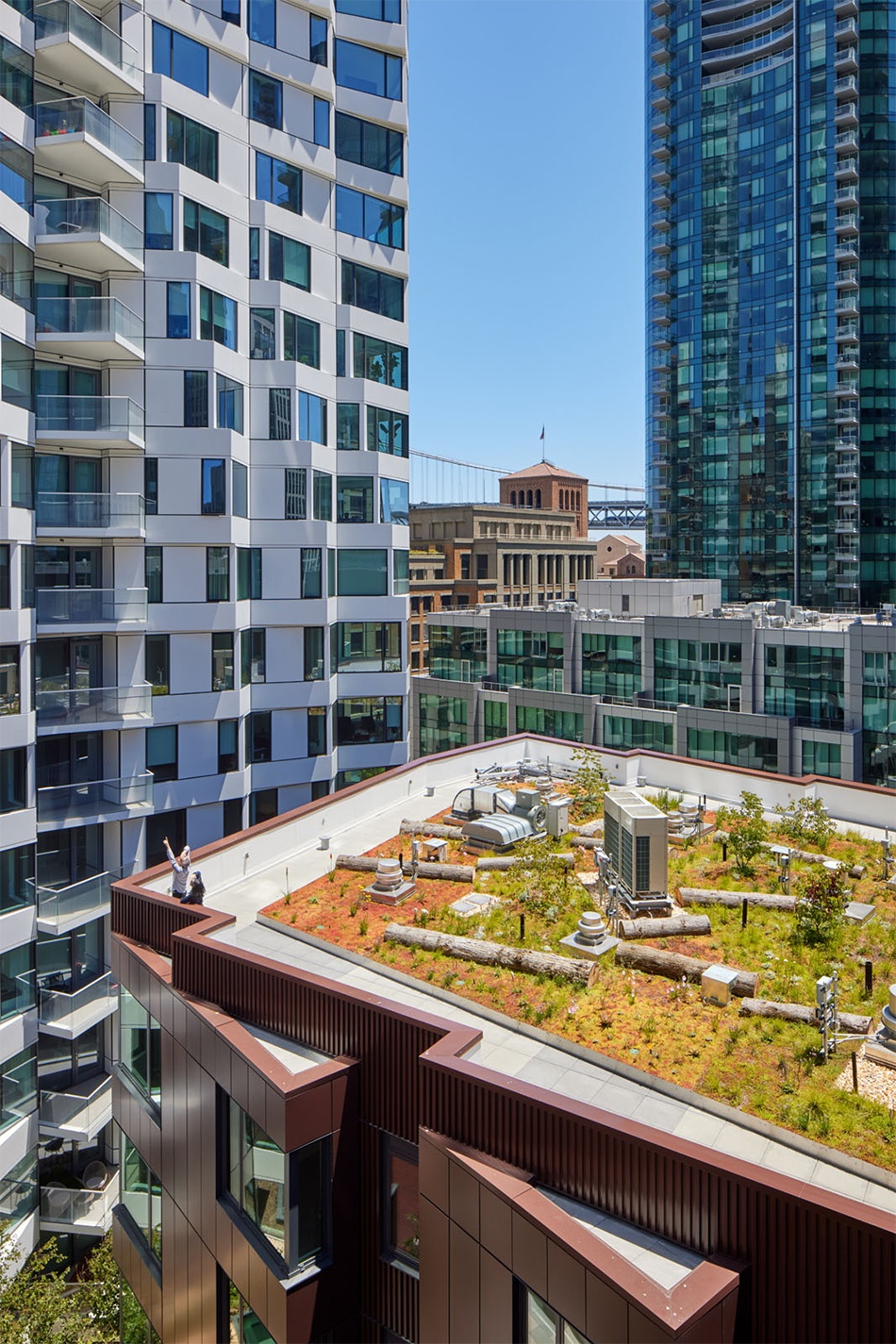
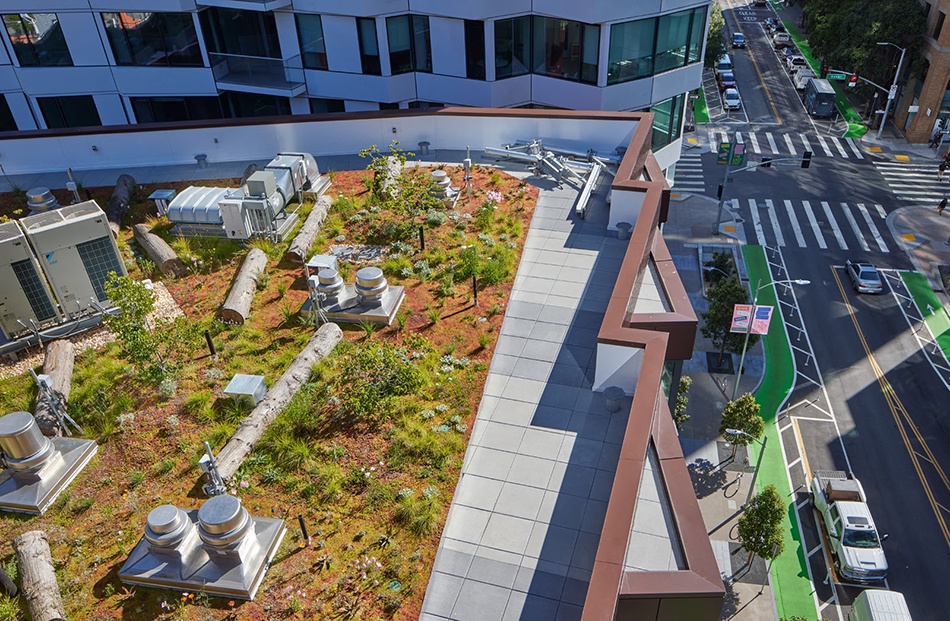
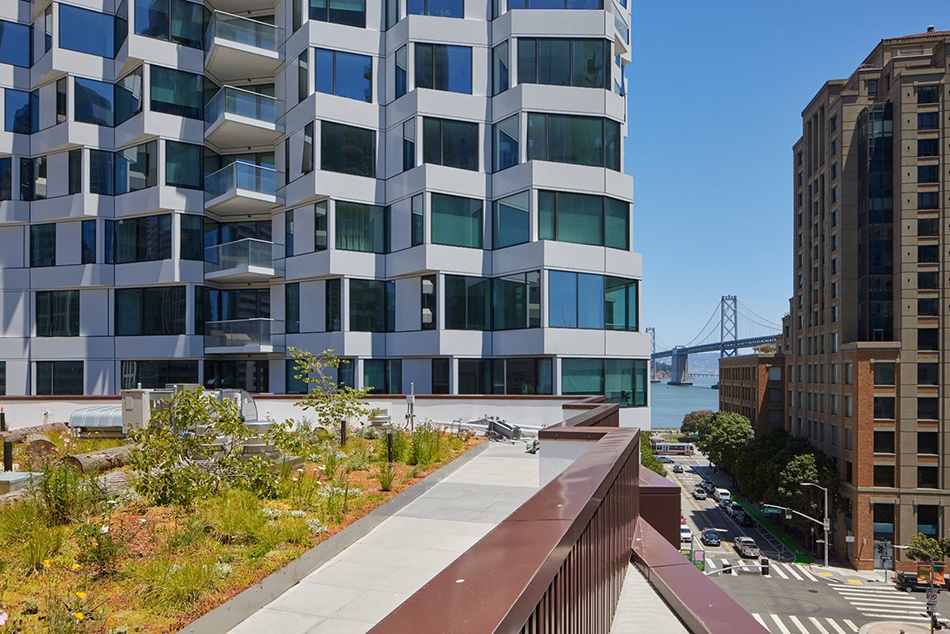
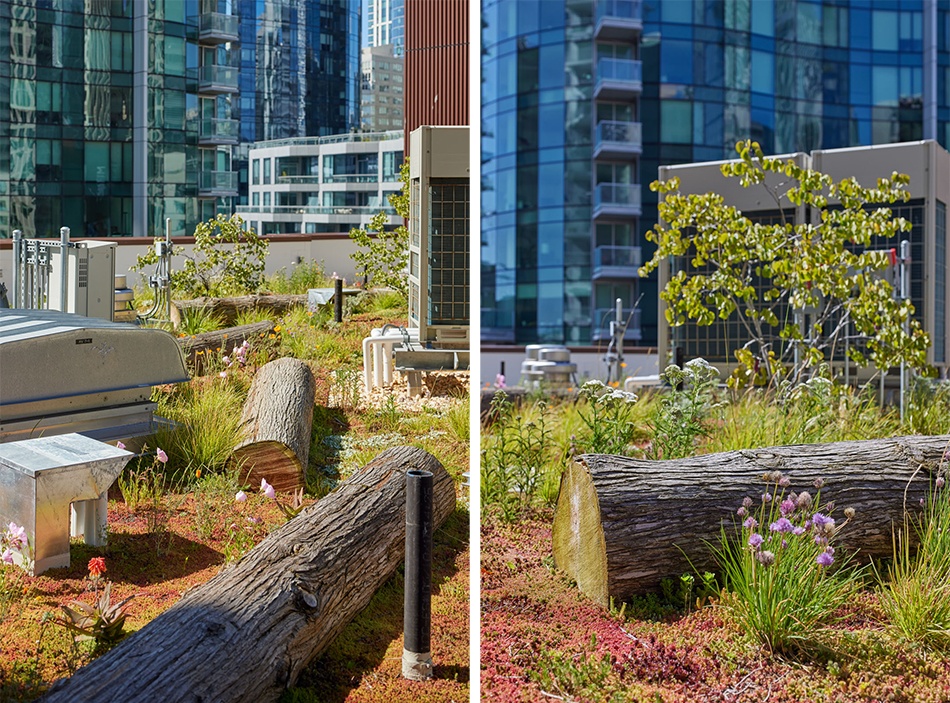
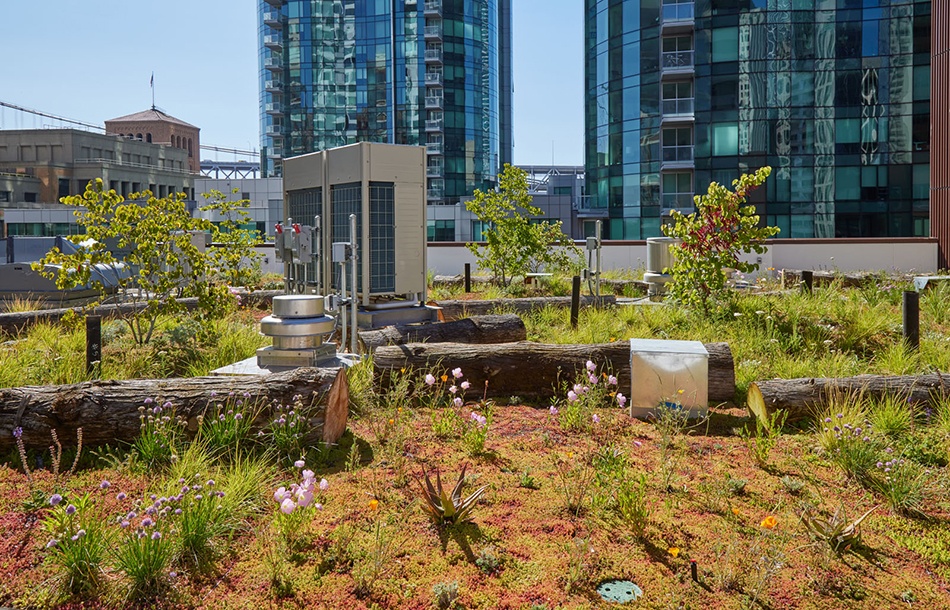
INTERSTICE’s early sectional drawing, “Ecological Corridor Concept”, illustrates the connection from Embarcadero to the Transbay Park and to the new Transit Center (Salesforce Park) beyond. The site design focuses on native species and habitat that serve native hummingbird and insect populations through careful plant species selection for food and nesting sources, and includes elements on the uppermost roofs that serve as micro-habitat, in the form of dozens of natural logs embedded in the living roofs, providing cover as they naturally decompose over time.
Streetscape
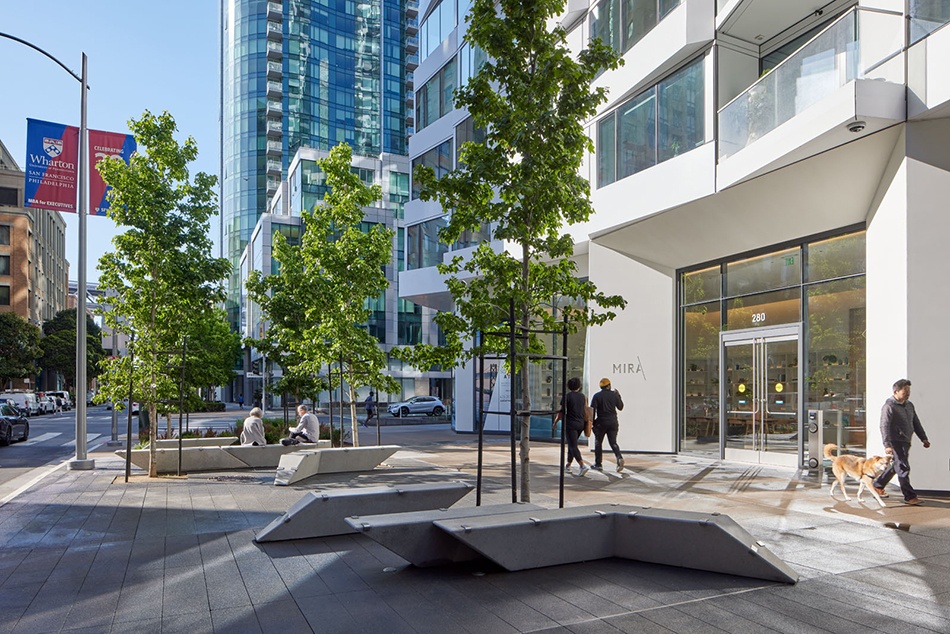
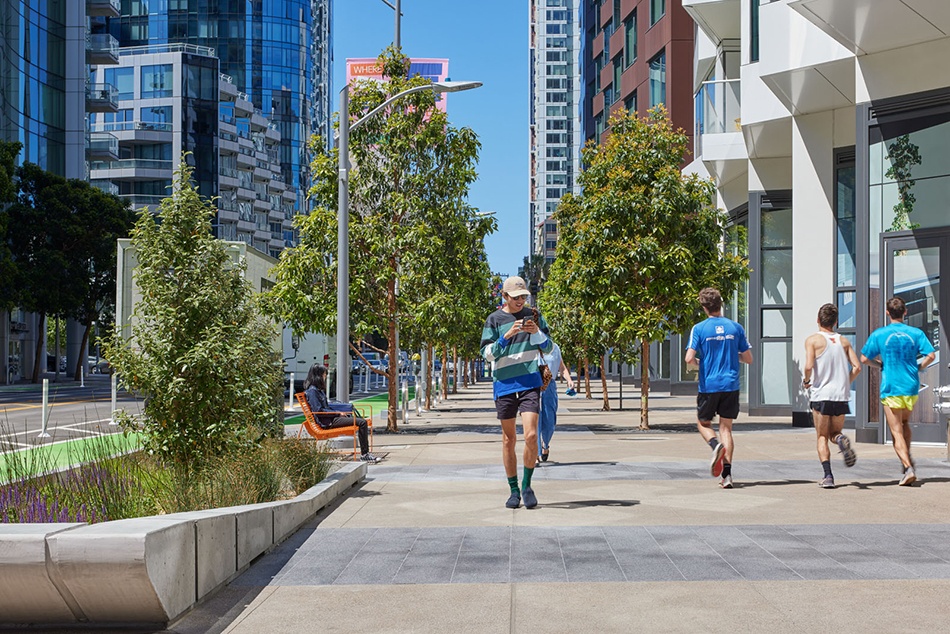
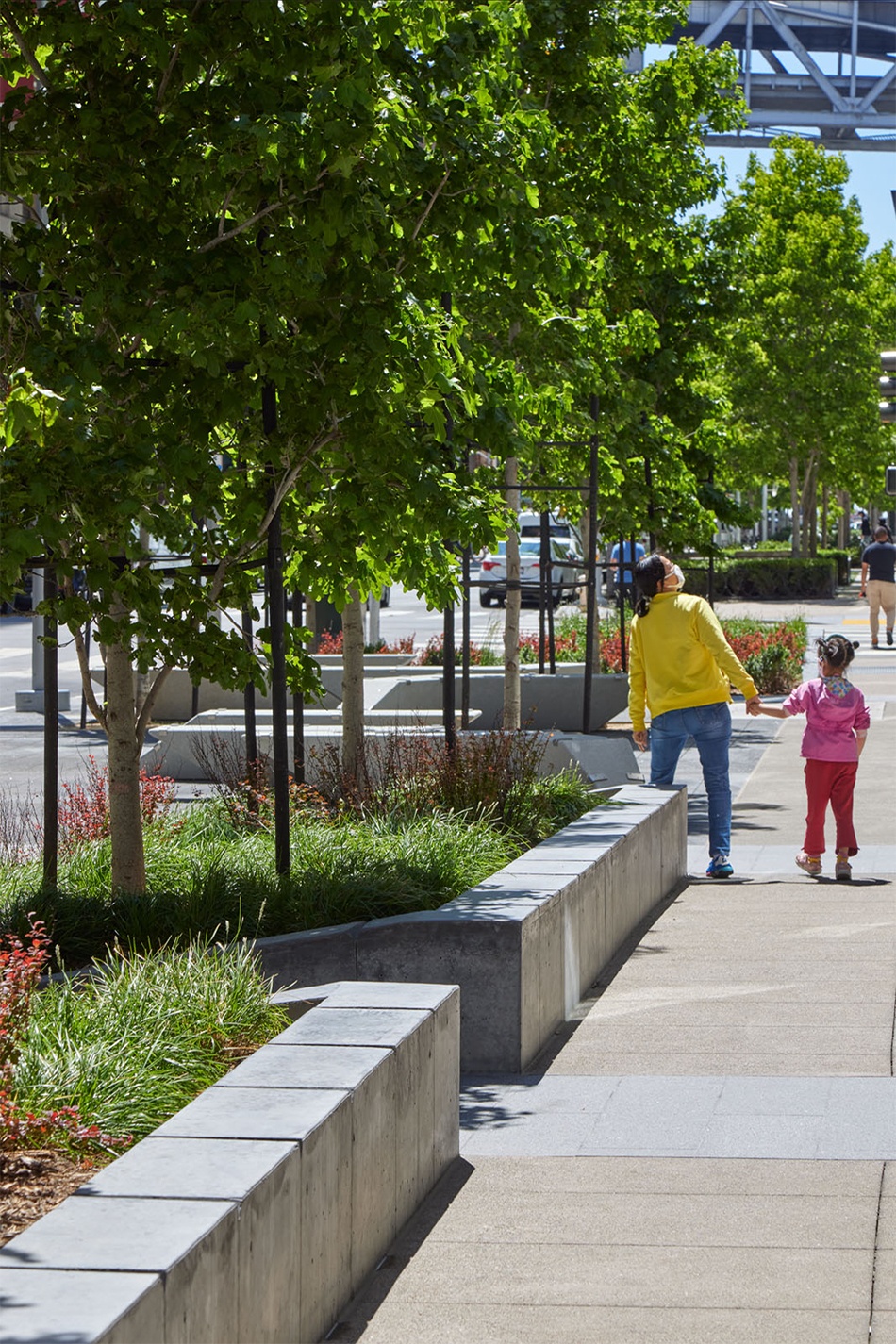
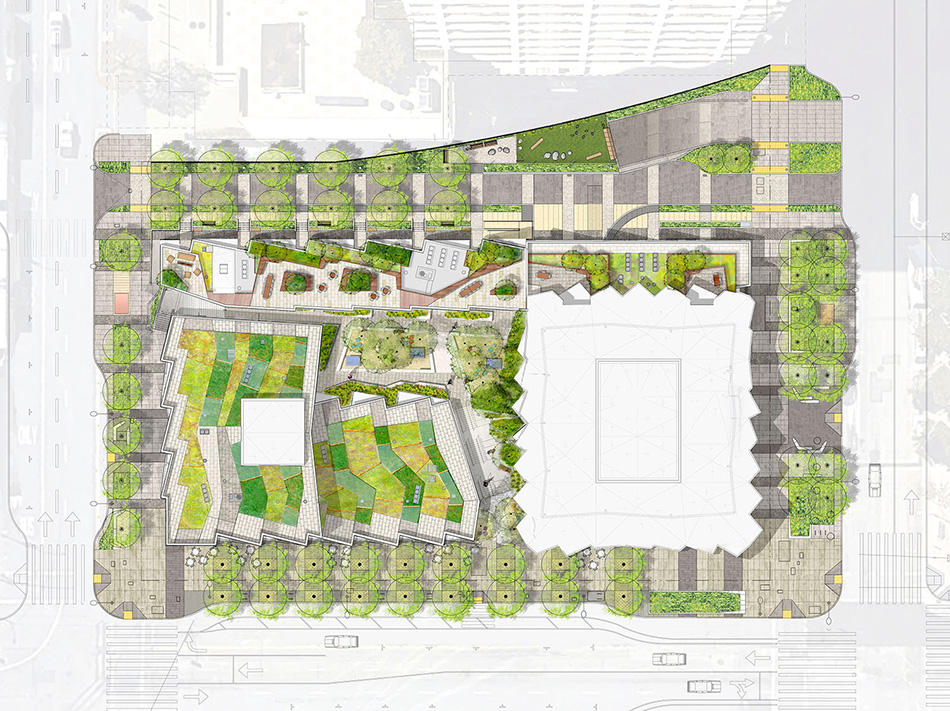
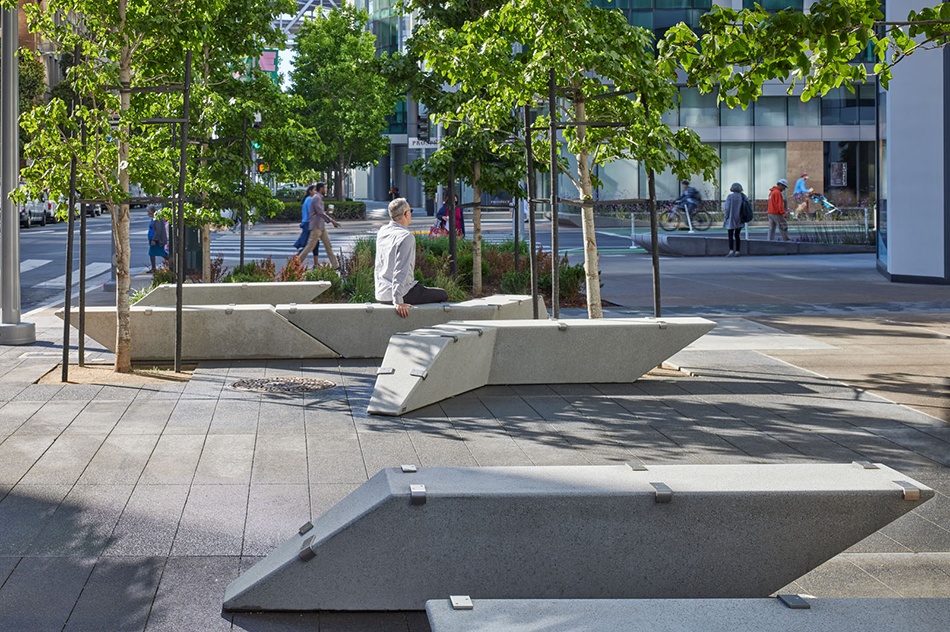
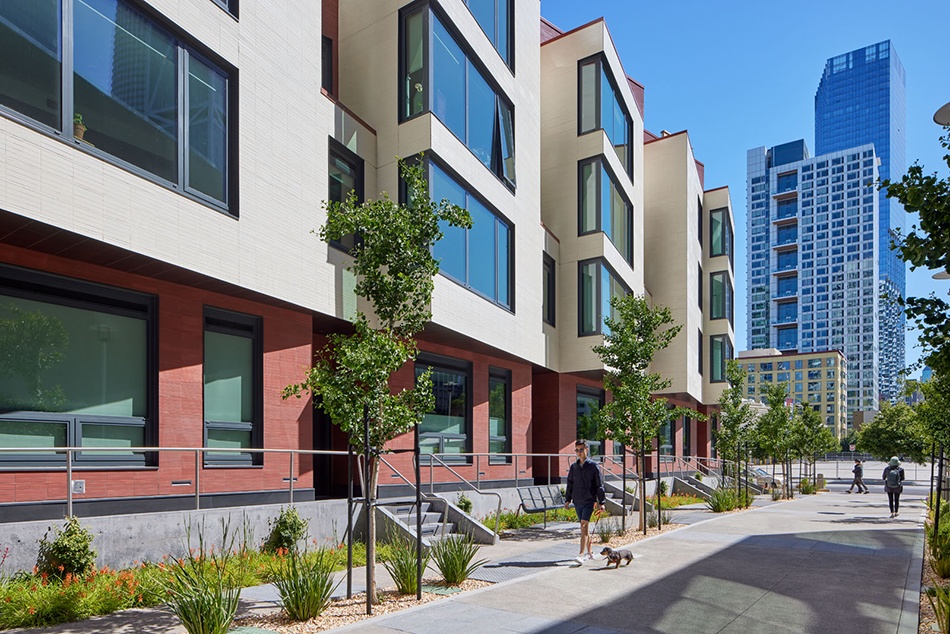
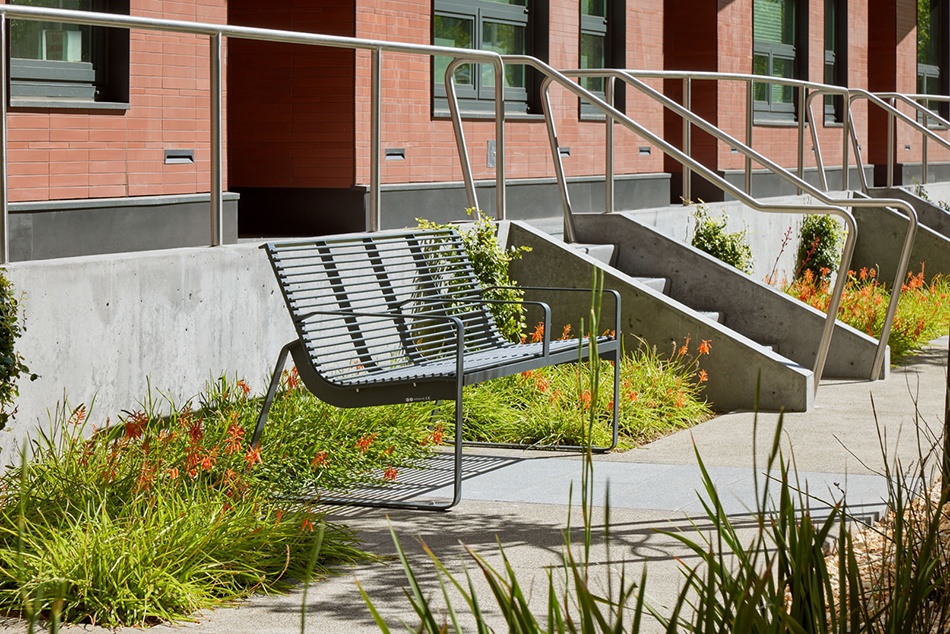
The streetscape design re-imagines Folsom street as pedestrian-prioritized boulevard with tree-lined widened sidewalks, commercial activity, rain gardens, seating, bike lanes and other amenities and safety improvements. The new Clementina Alleyway POPOS is an unusual opportunity to create an intimately scaled shared street connecting this new vertical neighborhood to the Embarcadero. A front door to new homes, this green, plant-lined habitat corridor, widens to the east, where the lane creates the Clementina Commons – an intimate open space with seating for people and their pets.
Level 2 Podium Courtyard – “The Nest”
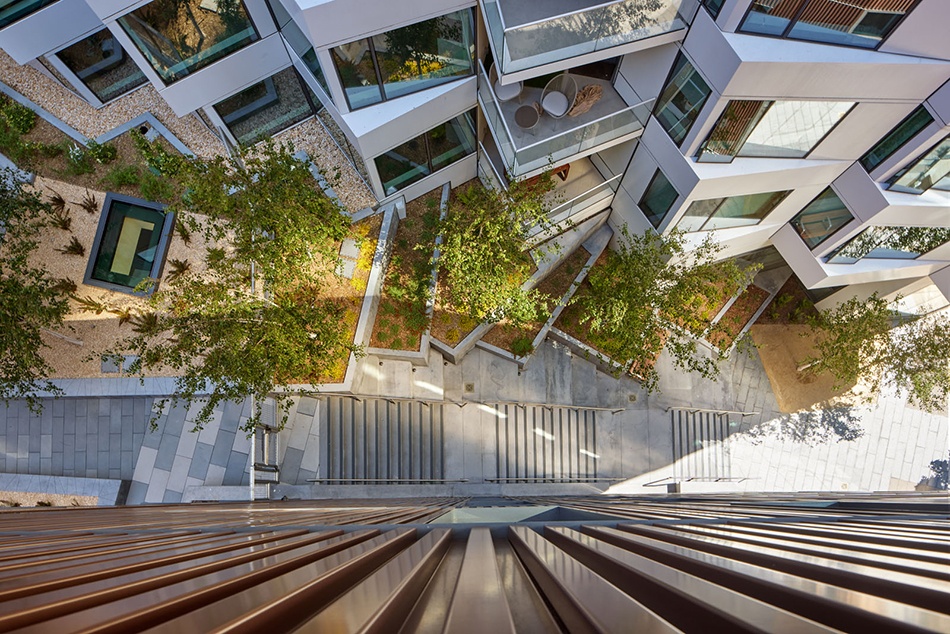
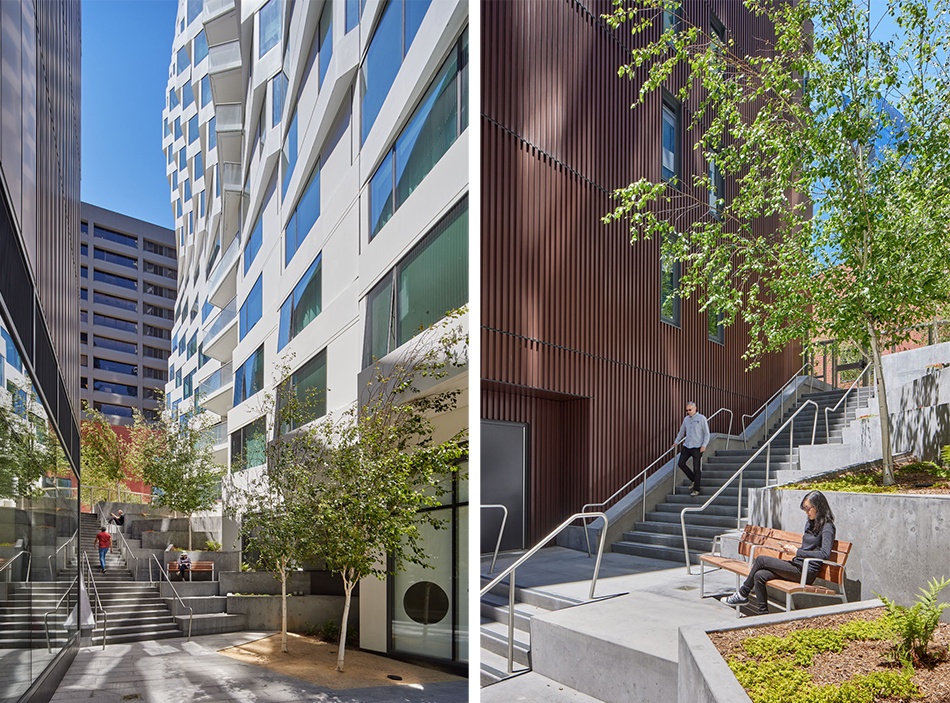
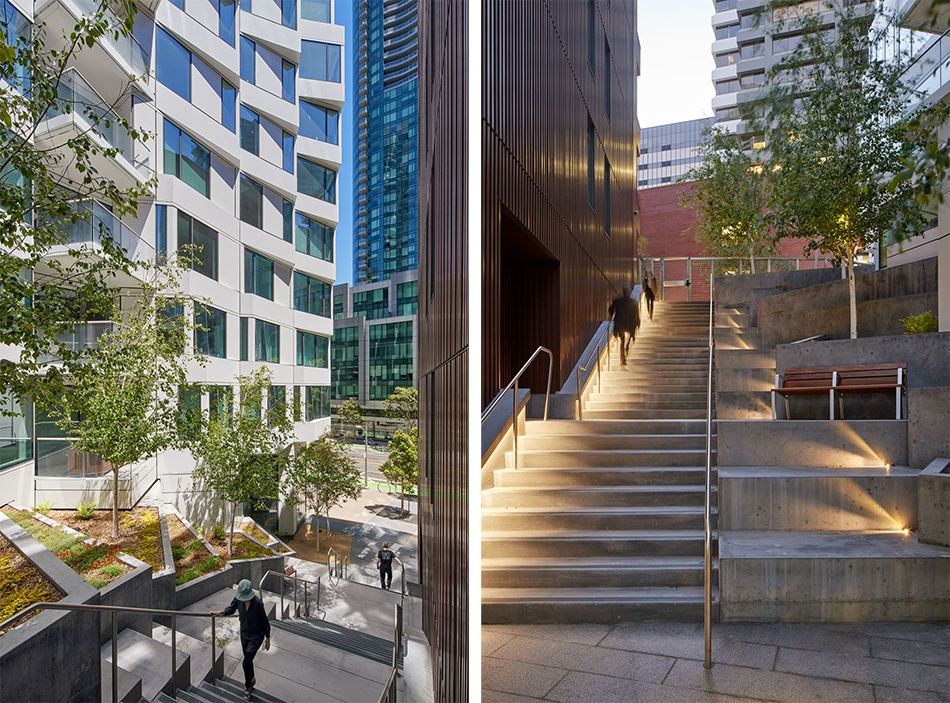
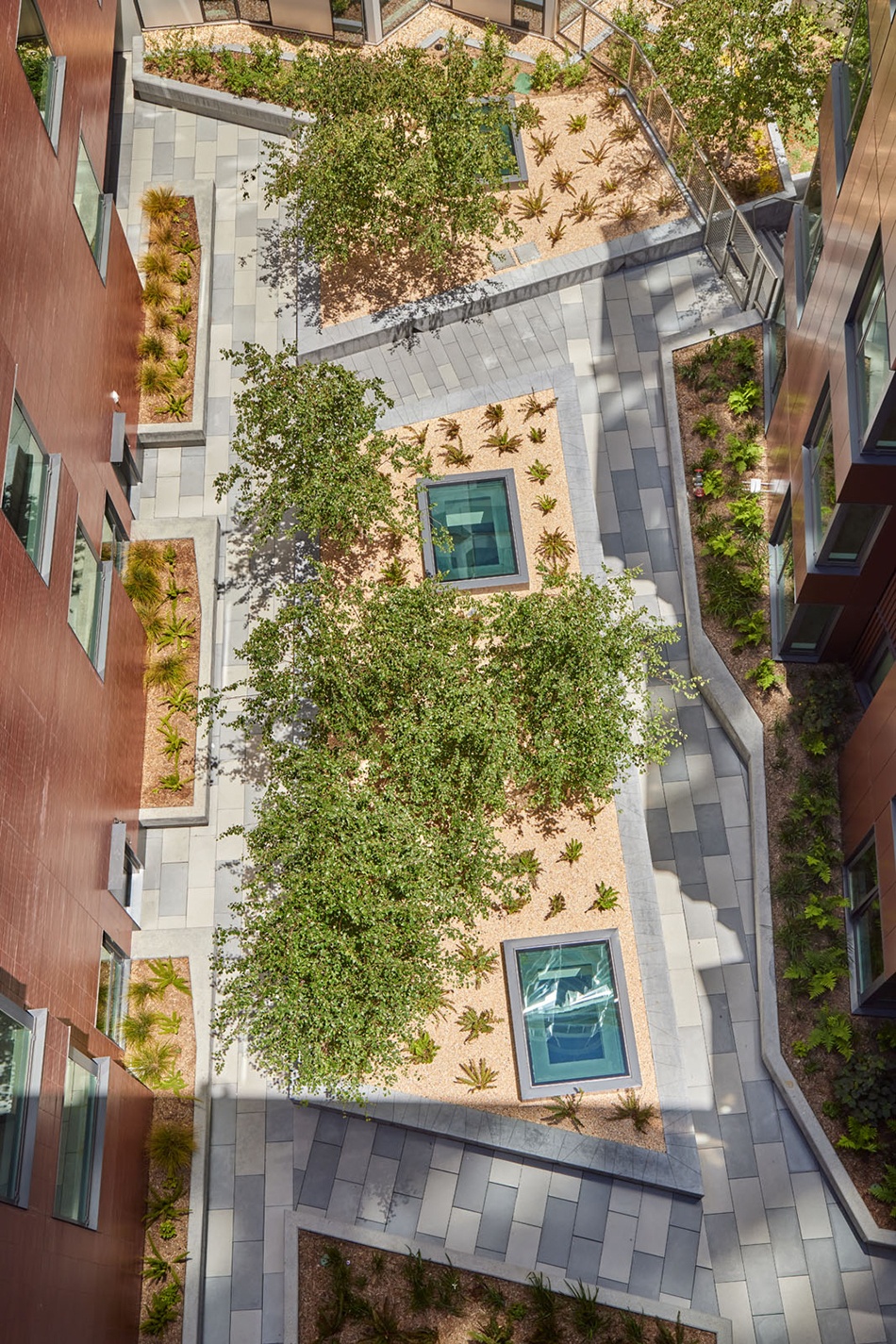
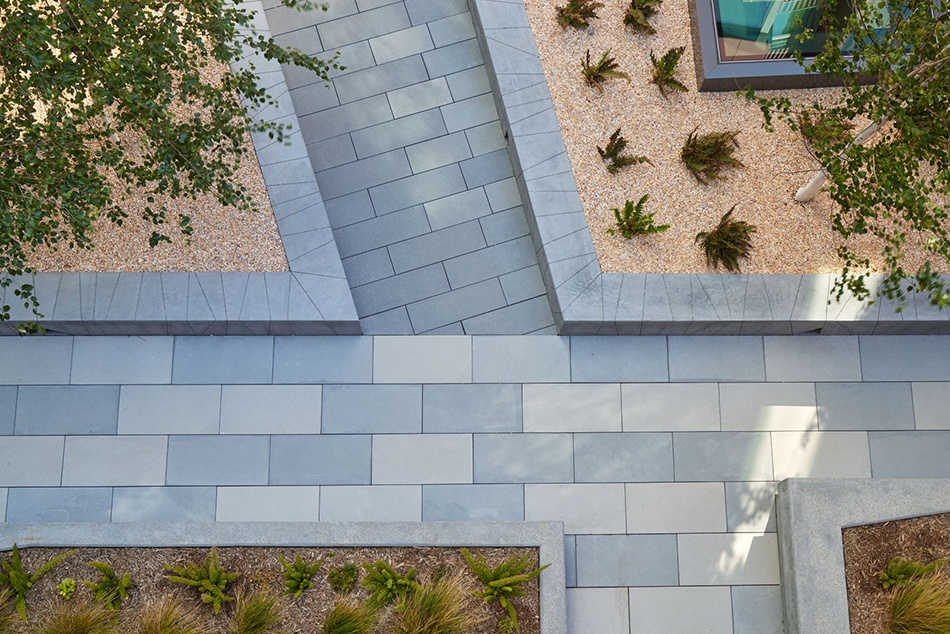
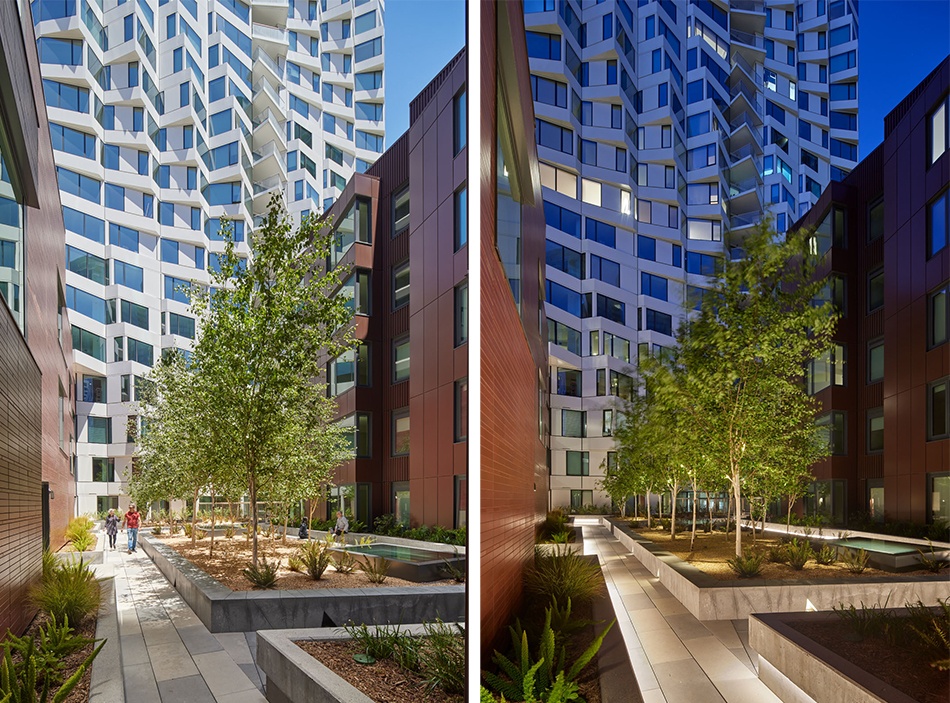
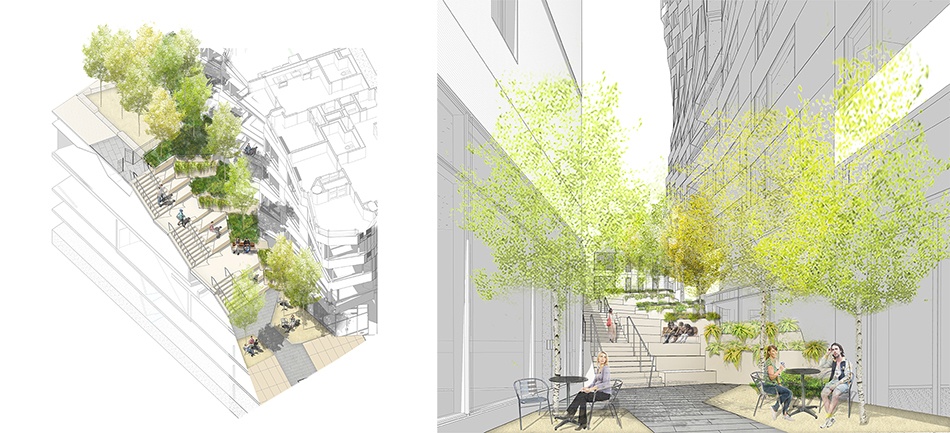
This elevated podium-level courtyard is the protected “heart” of the residential complex with a grove of slender Himalayan Birch trees with a fern understory that is accessed from Folsom Street by a broad stair. The Tribune Stair is a series of terraced platforms that rises like a folded alleyway between building volumes, creating a terraced forest leading from the “eddy” plaza space off this busy retail corridor. This cascading landscape is an invitation to sit and linger perched where one can see the street level commercial activity.
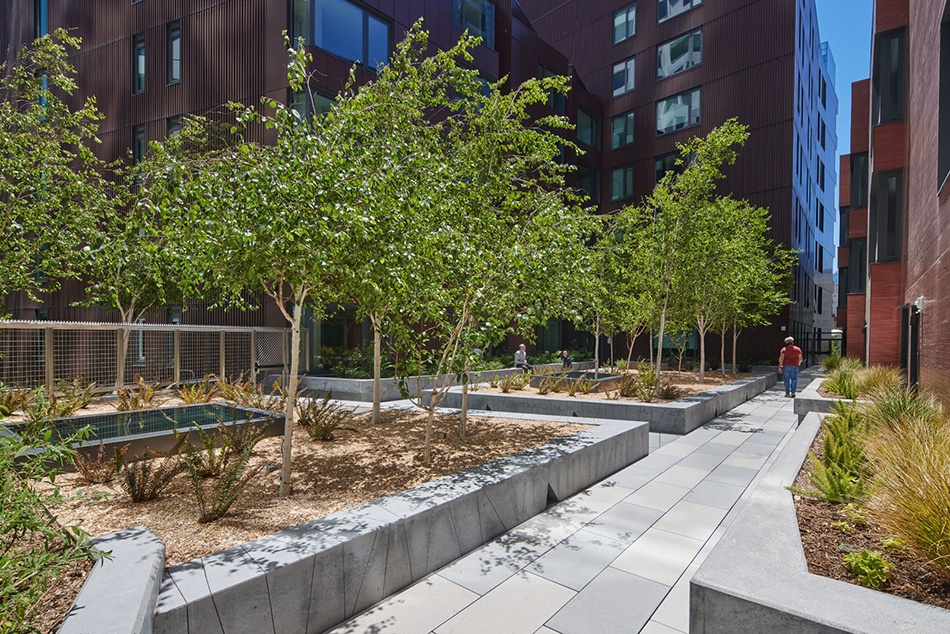
The quiet “forest” at the foot of the Tower is the residential entry to the second level town-home units, and is a dynamic visual focus, for all the surrounding, units, town homes and tower. This green oasis of open foliage trees draw light and movement through their bright canopies deep into the space. The white birch bark and seasonal foliage reflect light and animate the court as bright green summer foliage changes to yellow in autumn, then opens up to a tracery of fine white branches through the darker winter months; lighting the lush fern understory, of textured seat walls and variegated paving stones.
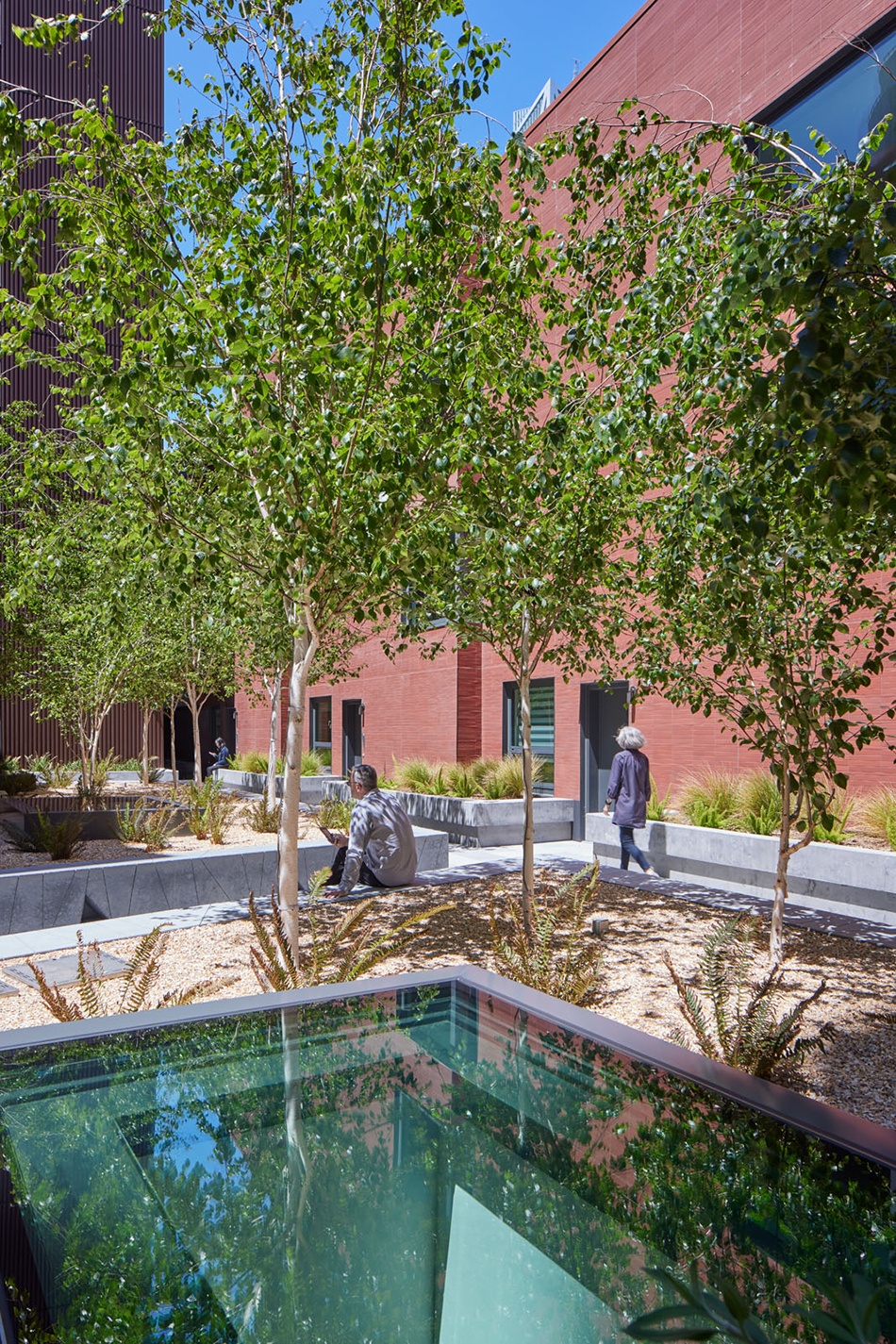
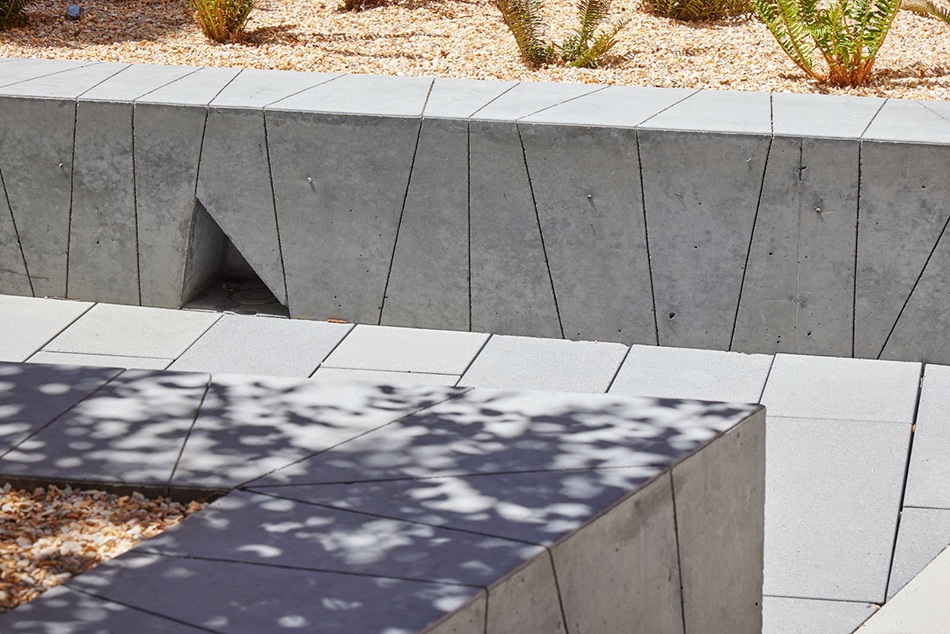
Materials are soft in color, smooth and refined, with carefully detailed joints and recessed lighting with perimeter planters of lush plantings that provide privacy to surrounding living spaces, and informal seating ledges near unit entry doors. Large sky-lights connecting the indoor gymnasium below are purposefully expressed as oversize “lanterns” that emerge from below the forest floor to glow at night.
Greenroofs – “The Ledge” and “The Perch”
The upper level roofs are living roofs, that while providing a visual amenity from above, are actually very alive, and contribute a significant ecological and sustainability asset to the project. In addition to cooling the building, and extending the life of the roof, these mini habitats form part of the storm water management system by slowing and retaining rainwater. Selected species are native and adapted plants that create an ecology for hummingbirds and other native bird species, and numerous insects on down the web. Here banded patterns of varying foliage color and texture are intermixed with seasonal blooms, and divided by massive logs of wood that slowly decompose over decades to maintain plant types and enhance ecological habitat. The soil media depth of 8″ supports sedum species and smaller perennials, while deeper soils of 18″ at level 7, allow for more varied planting selections of taller sedums, grasses, shrubs and even small trees.
Level 5 Shared Amenity Space – “The Wing”
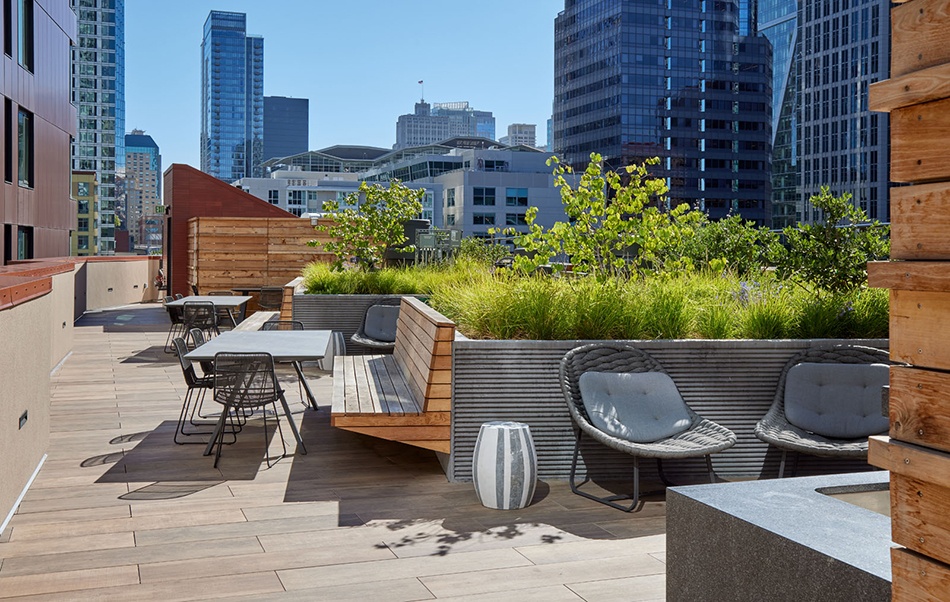
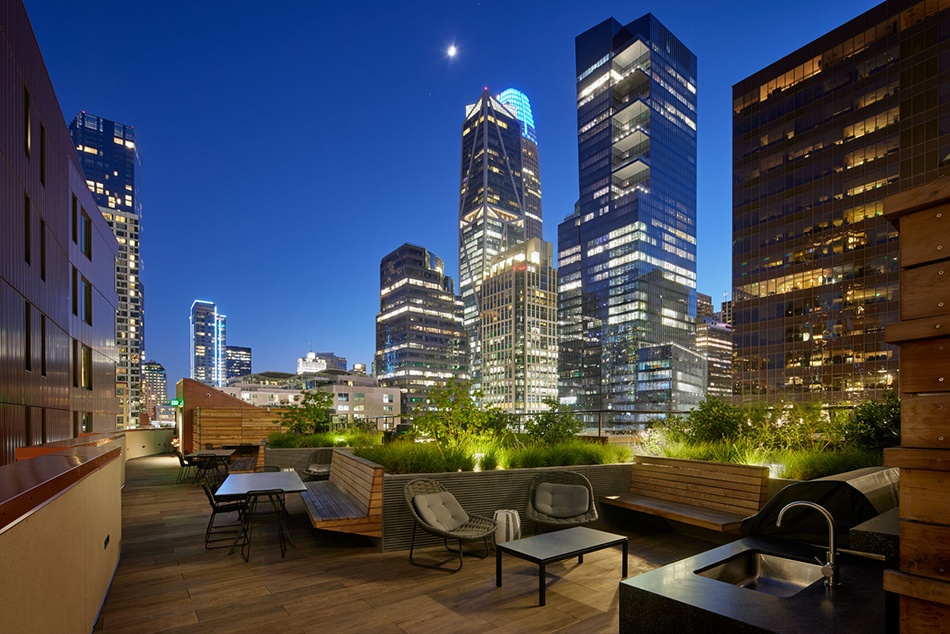
In contrast to the inner sanctum of the central court Level 5 is a more extroverted space. The Wing is the primary shared Social Gathering Space. Laid out as a linear progression of enfilade outdoor “rooms” contained within the embrace of raised meadow plantings and warm wood divider walls. The first “room” directly adjacent to the interior common lounge, is an outdoor dining area, furnished with a perimeter of large built-in benches. The next is the “entertaining” room serving flexible uses, overlooking the level 2 courtyard Birch grove, with communal tables, two outdoor kitchens, moody evening lighting and plentiful seating. The western-most “room” is a glass protected promontory with sunset view over Transbay Park. Separated from the rest of the rooms it is the most private and enclosed, for more intimate evening gatherings around a linear outdoor fireplace, with cozy furnishings and glowing floor lamps.
Location: South Market District, San Francisco
Owner/Client: Tishman Speyer / Studio Gang Architects
Scope: Landscape & Streetscape, design through Construction
Status: Completed 2020
Photography: Bruce Damonte
Sacred Heart Cathedral Preparatory Music Studio
Resonance of Design
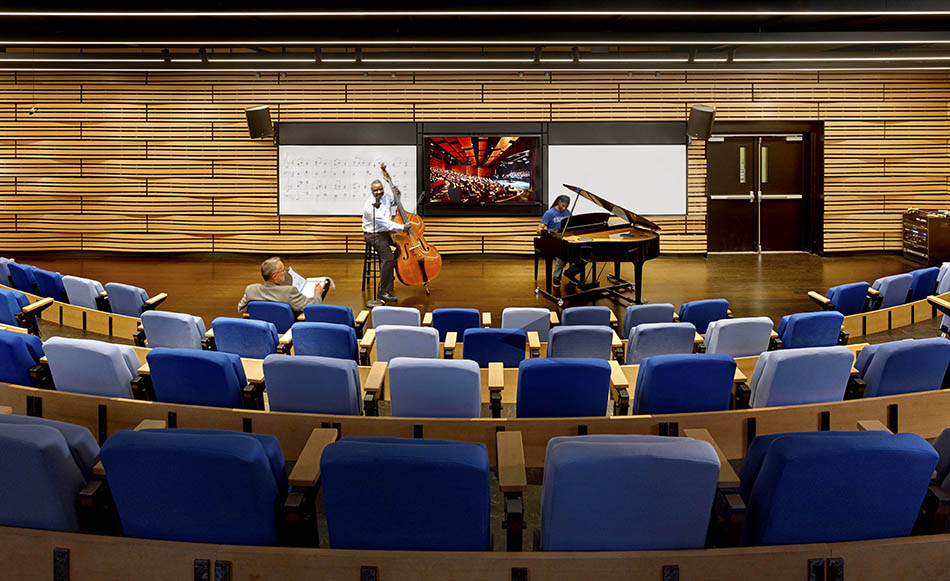
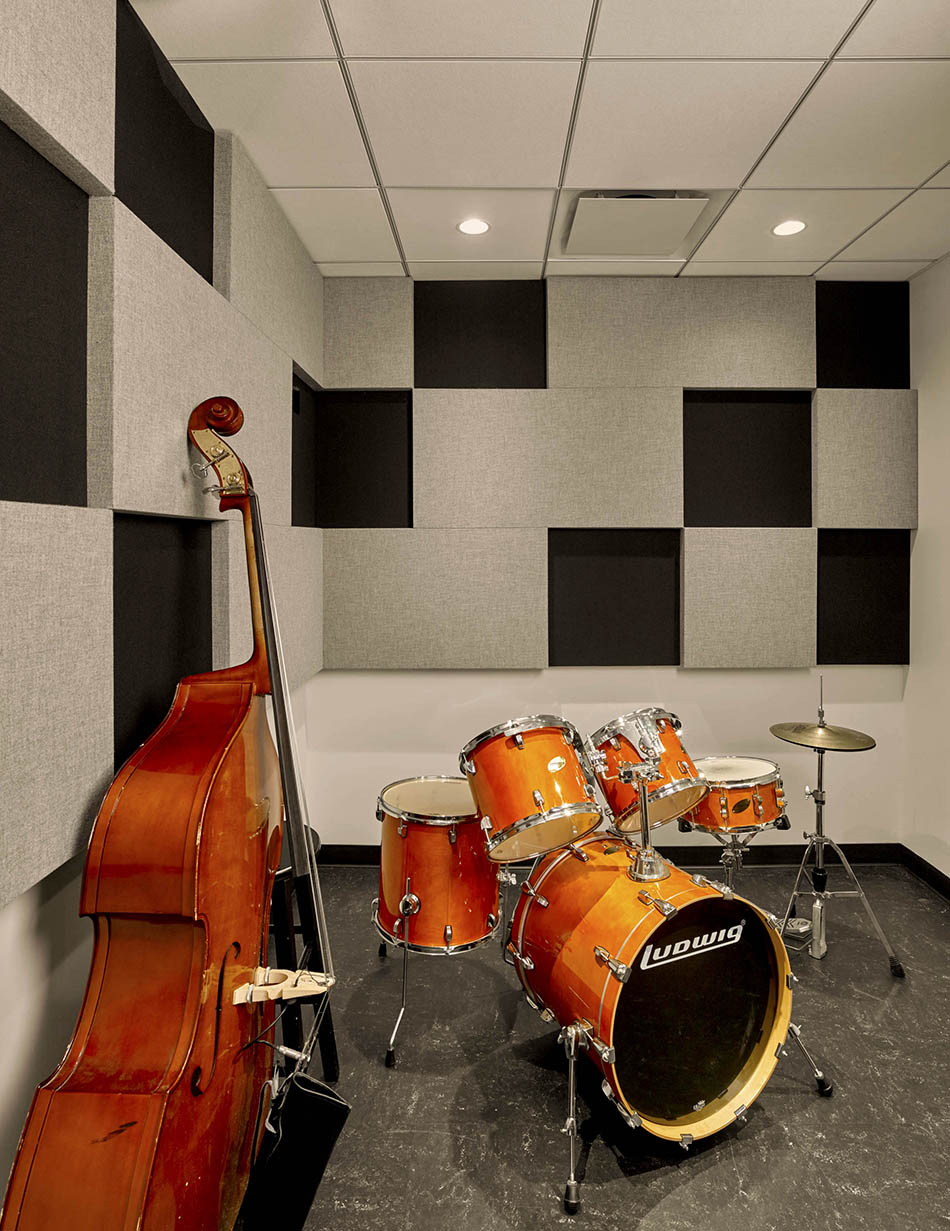
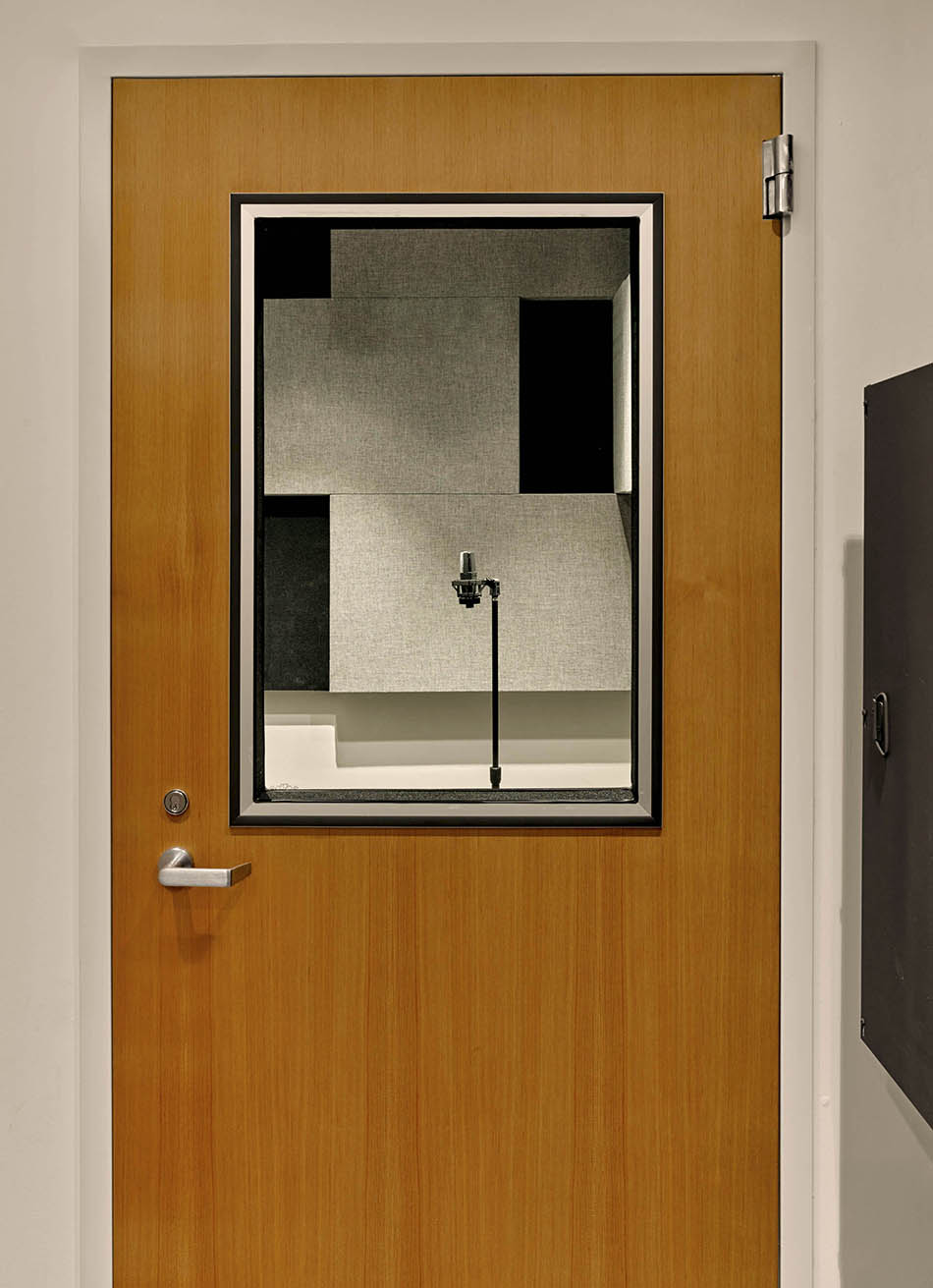
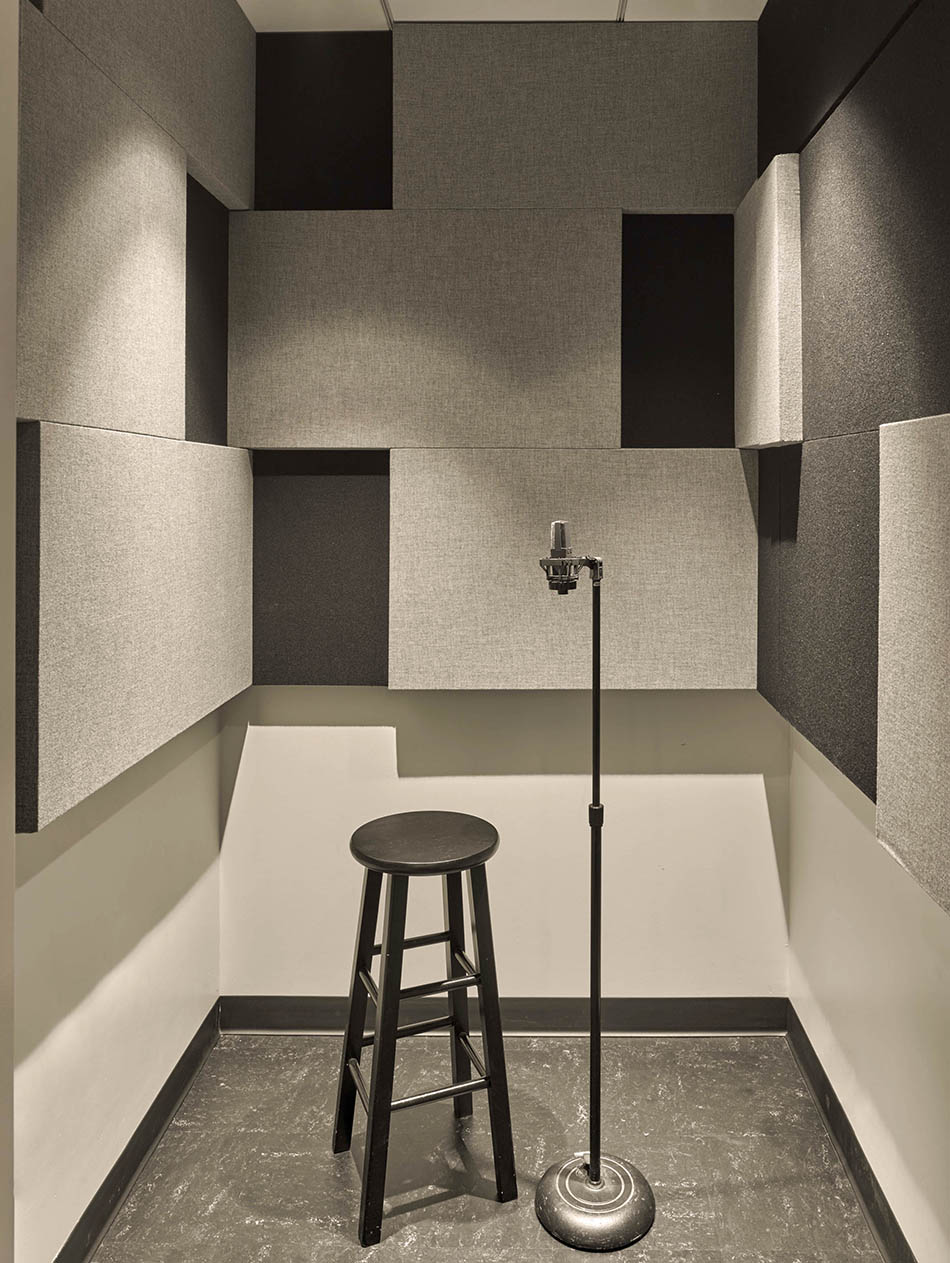
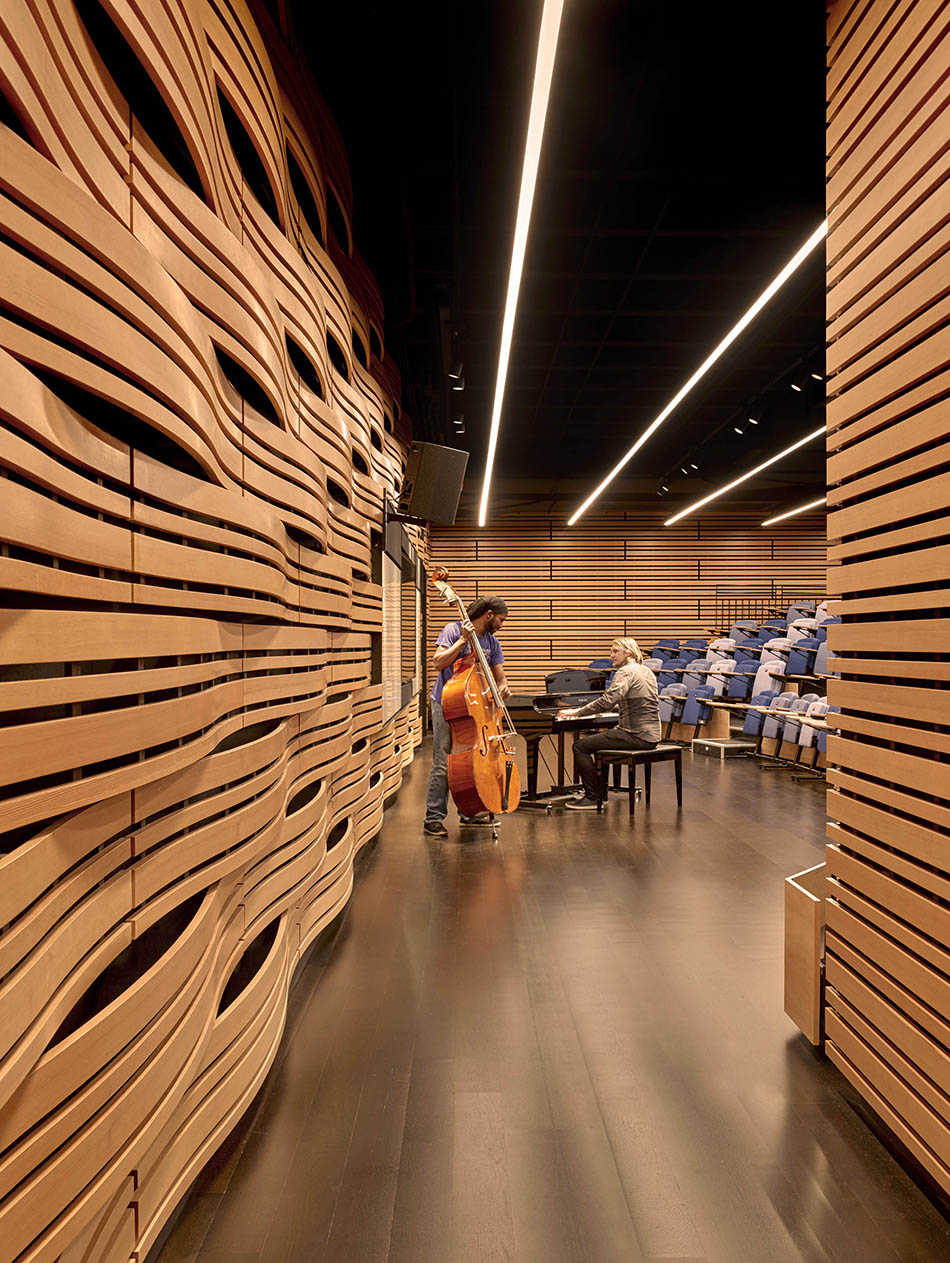
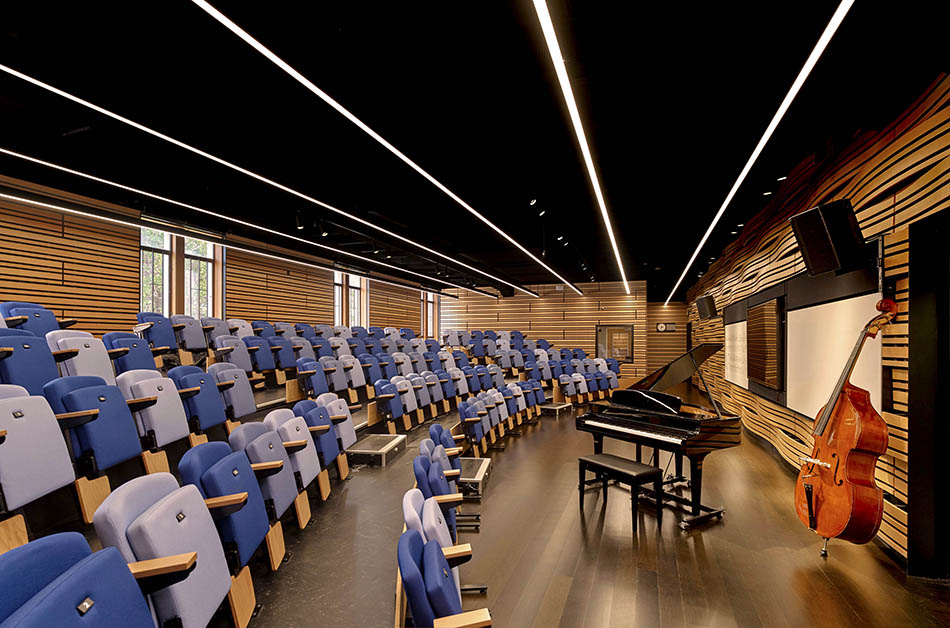
Sacred Heart Cathedral Preparatory (SHCP), a premier San Francisco high school well-regarded for its excellent performing arts curriculum, had long needed a professional-level choral rehearsal studio and recording facility. Inspired by the shapes of musical scores, INTERSTICE was asked to renovate a 2,300-square-foot space to create a four-studio suite of specialized rooms in order to enhance the school’s recently completed Sister Caroline Collins, DC, Theater. From the new main choral rehearsal room, three associated rooms are attached: a recording studio control room, a smaller practice room for instrumental ensembles, and a single-artist voice recording booth. These separate studio rooms were designed to be used in conjunction with, or in isolation from, the larger choral rehearsal space and all are connected fiber optically as a choral green room to the larger theater. The overall look and feel of the rooms are intentionally warm and instrument-like, with a resonance and level of touch to accommodate an atmosphere of comfort, creative energy, and visual movement.
Theater Classroom
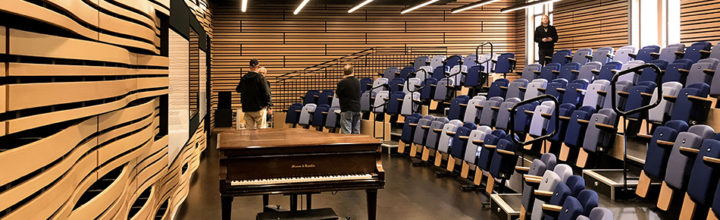
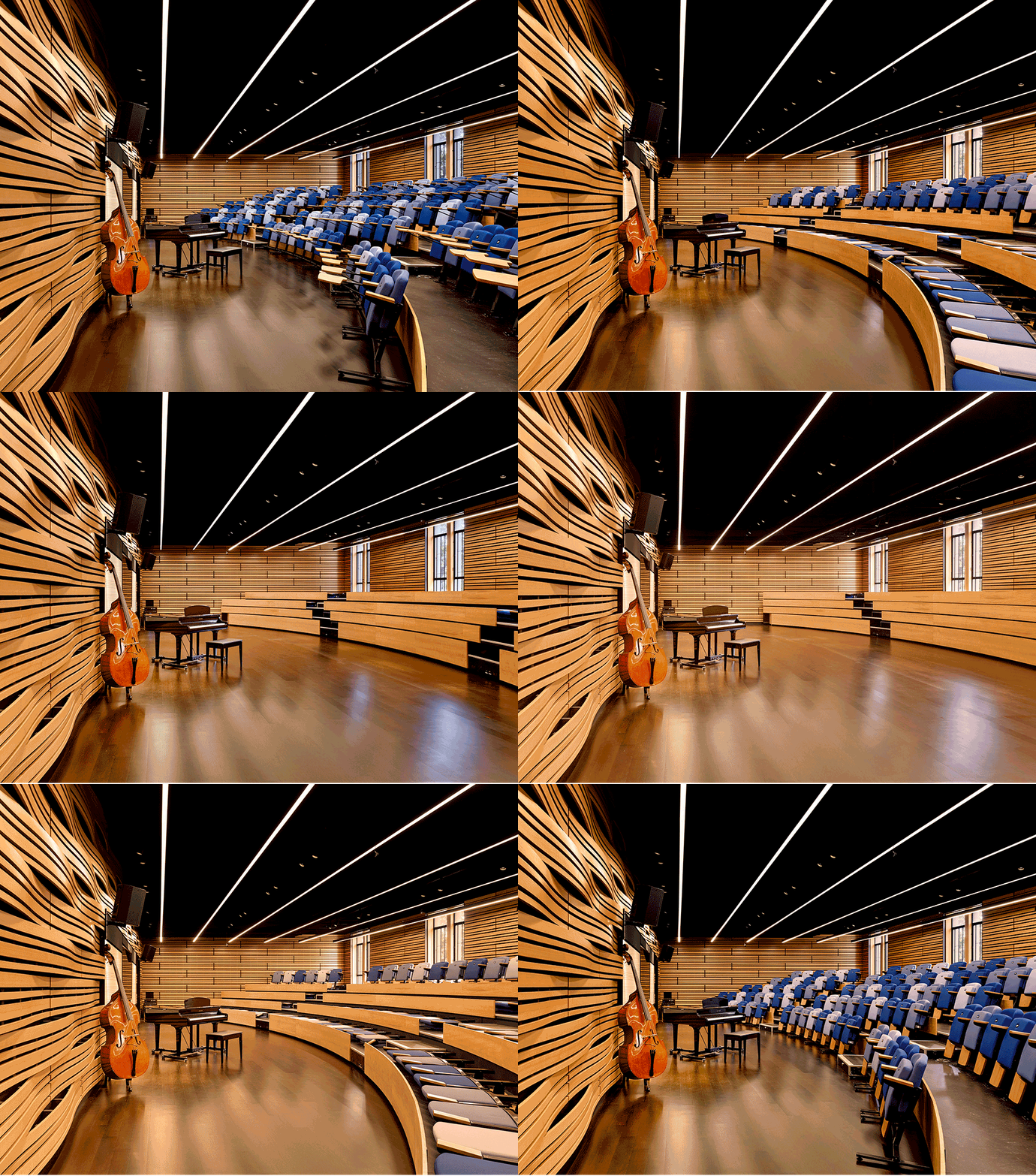
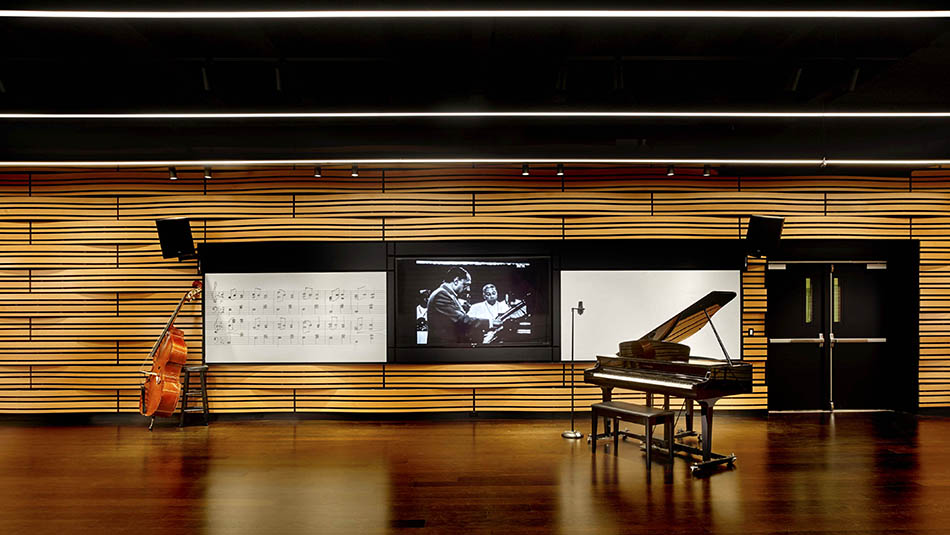
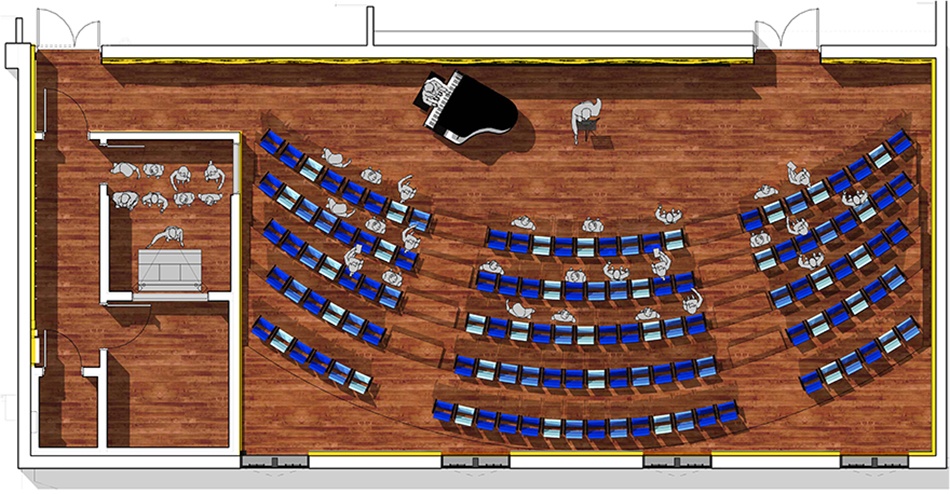
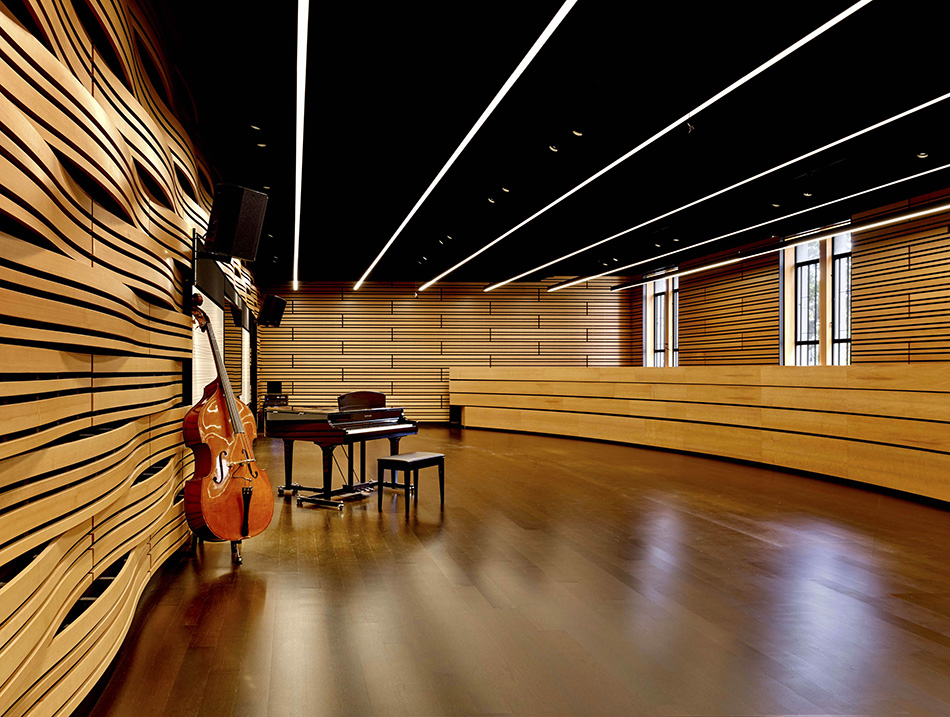
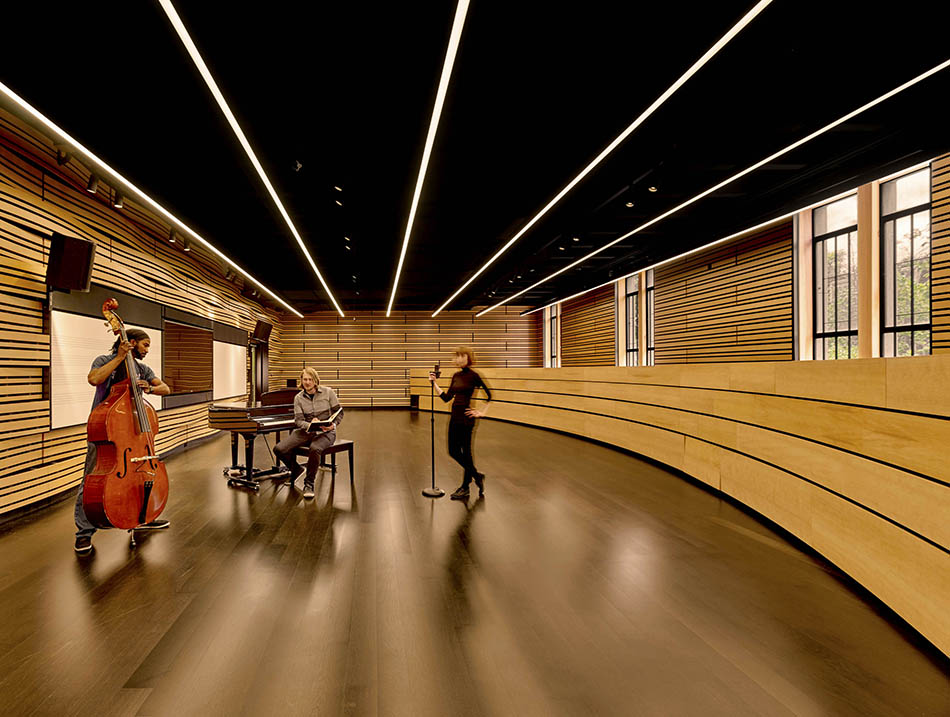
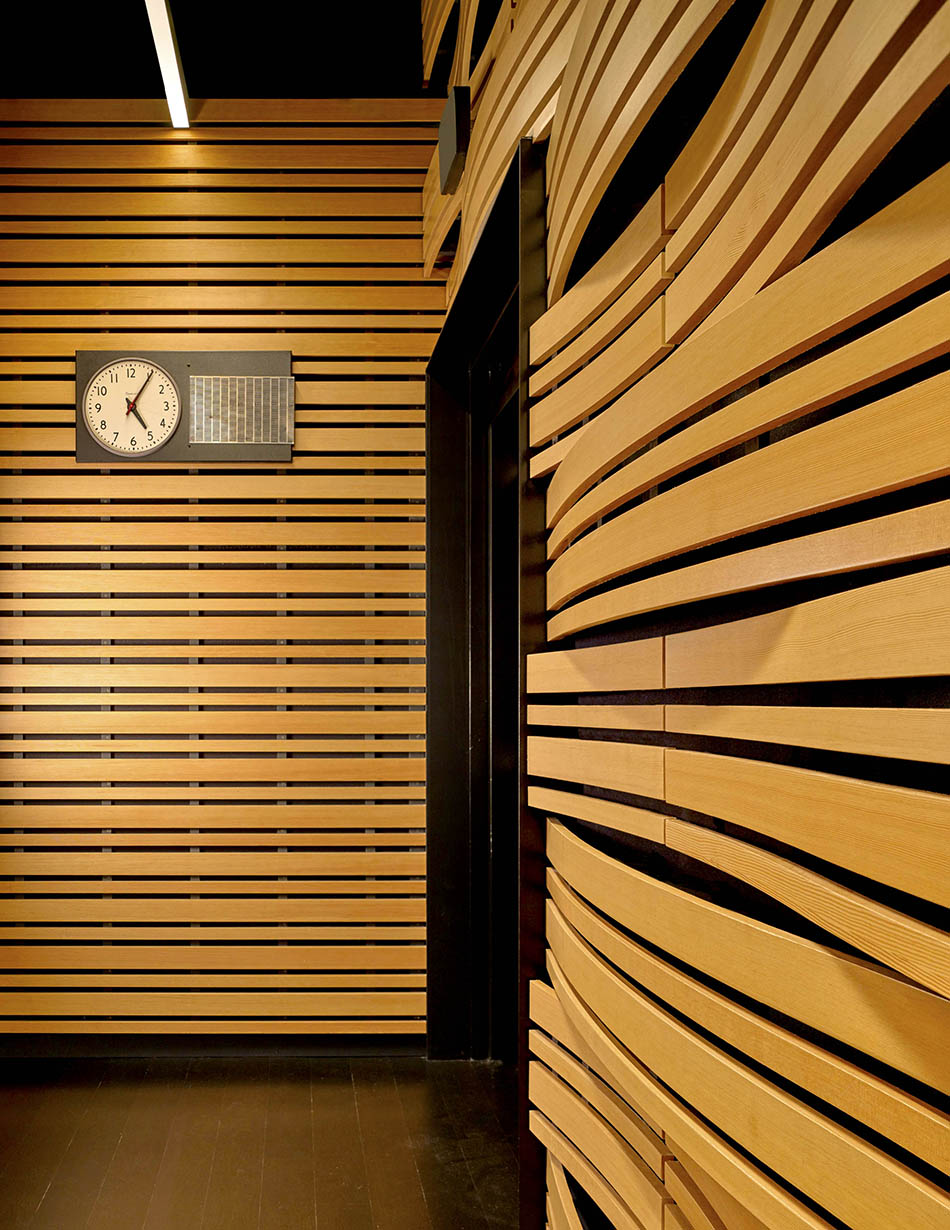
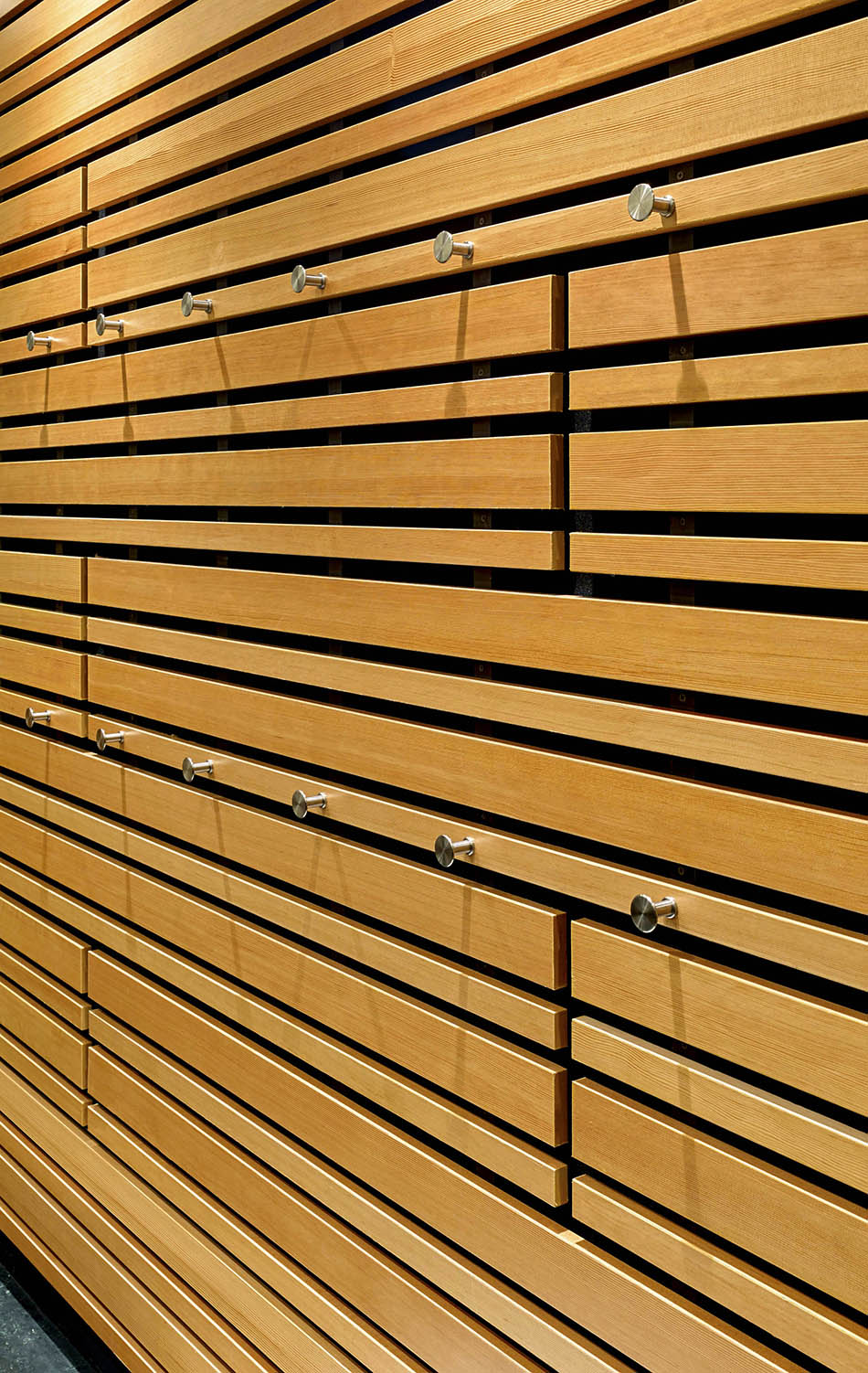
A large new choral rehearsal room—designed as a multipurpose theater classroom with retractable curved seating for gatherings to seat up to 120 spectators—was the largest space of the four-room suite that INTERSTICE designed. The finely tuned acoustical layout of this space is protected behind the clear, straight-grain cedar flats and pre-curved wood slats to create a more reflective and dispersive “wetter” environment to sound. Coffered concrete ceilings are exposed, taking advantage of the deep dispersal texture with absorption in the upper recessed slab areas. The windows have motorized roll shades for lighting, glare control, and acoustical absorption, including blackout control for performances or private receptions, with additional acoustical shades acting as projection screens in a classroom setting. Around the space, mounted choral white boards further extend the nature of the room’s flexibility for various creative and instructional uses.
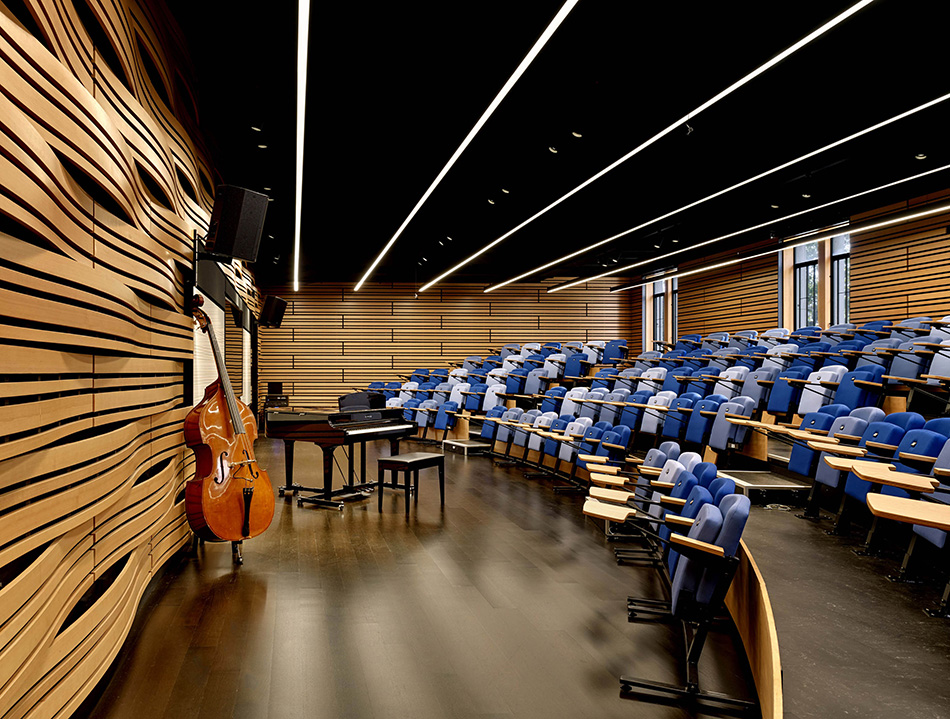
Acoustic Ribbon
Both the main choral room and the Sister Caroline Collins, DC, Theater spaces had to work in concert together with ongoing performances. INSTERSTICE abstracted a musical score as a ribboning of spaced wood slats that undulate and weave to stretch around the entire space, balancing it acoustically, primarily for voice. Mirroring the walls, the studio’s seating structure is retractable, curved, and tiered so it can be used as a classroom or a choral performance space. Alternatively, without seats, the room can become an impromptu small gathering, an open dance rehearsal, or an event space for this campus.
Location: Cathedral Hill, Western Addition, San Francisco
Owner/Client: Sacred Heart Cathedral Preparatory School
Scope: Interior Architecture, Academic Renovation
Status: Completed
Photography: Cesar Rubio
Sunset Parklet
Rethinking Topography
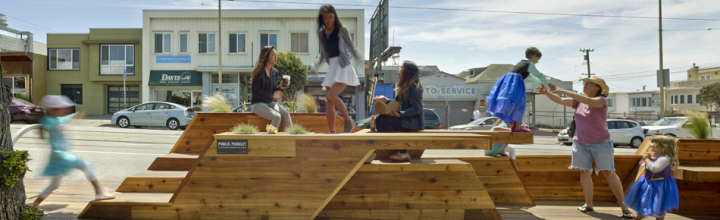
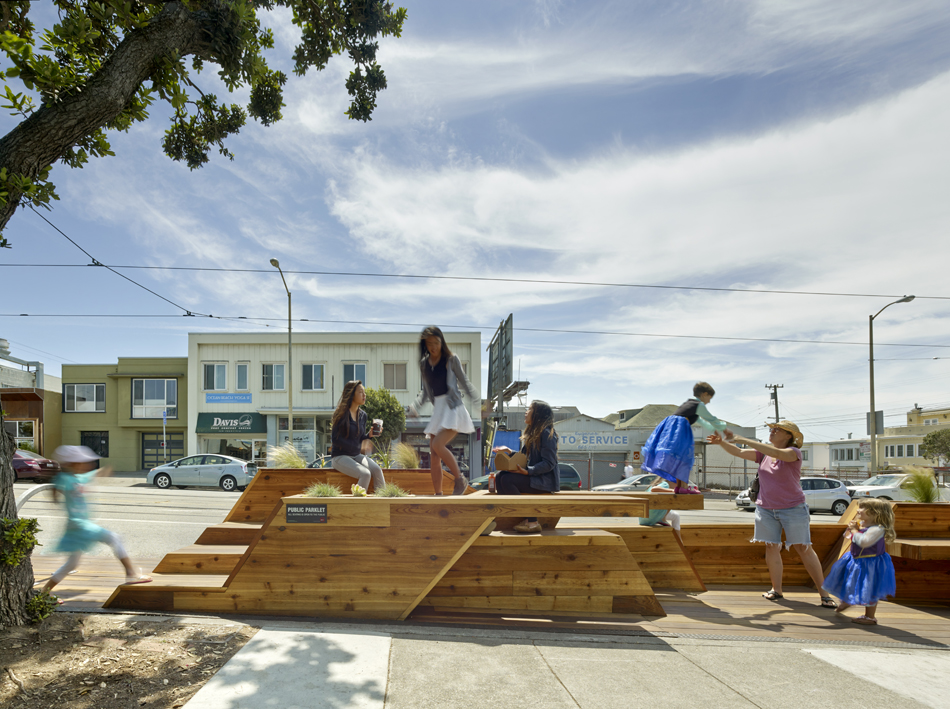
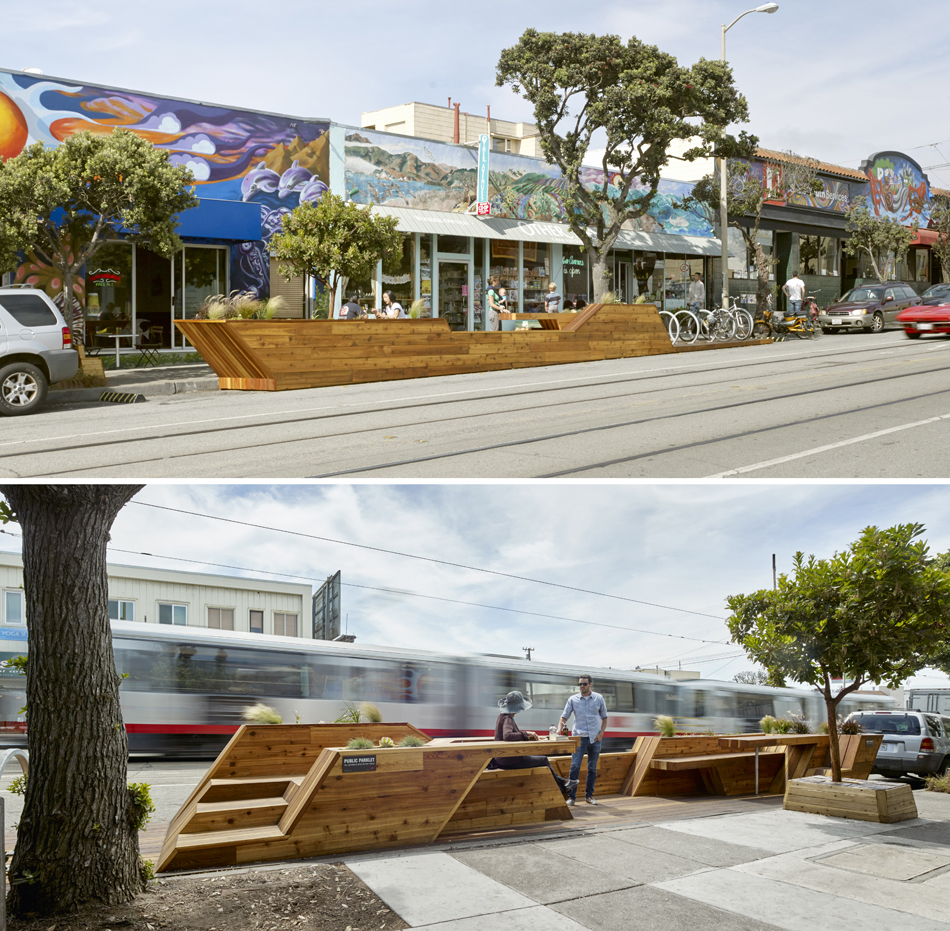
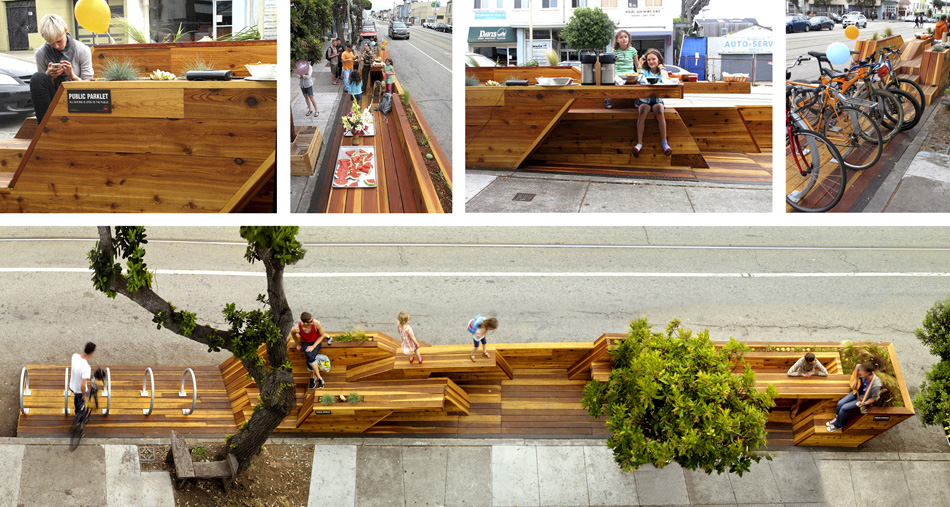
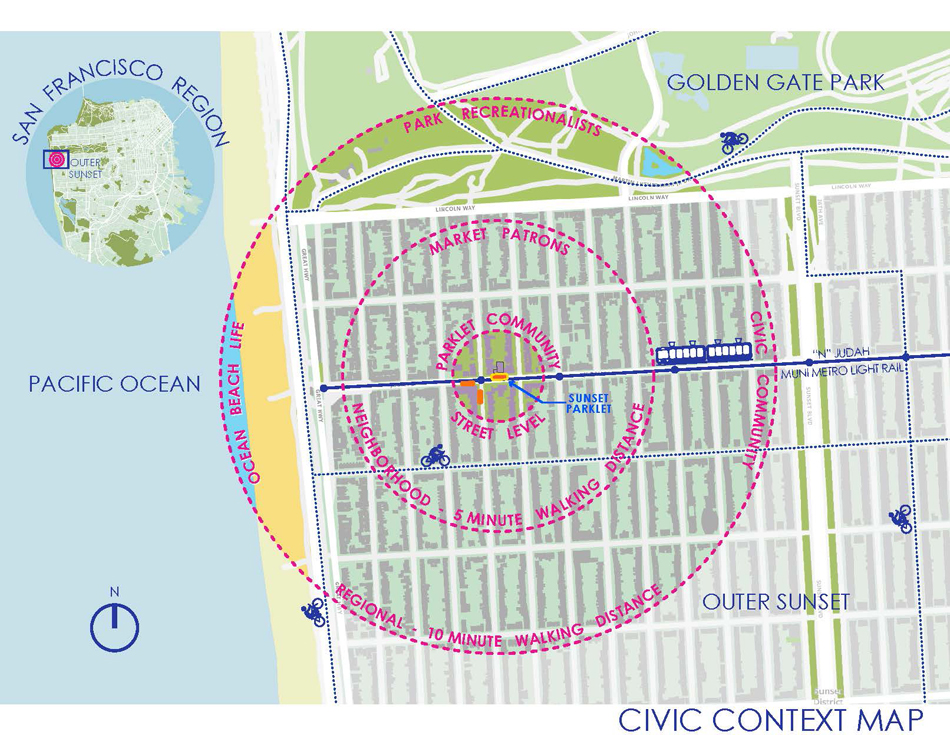
The Sunset Parklet is a public parklet hosted by Other Avenues Food Store and Sea Breeze Café on Judah Street between 44th and 45th Avenues just a few blocks away from San Francisco’s Ocean Beach. Constructed of sustainable and reclaimed materials in compliance with Department of Public Works Guidelines, this new addition to the popular and growing San Francisco Parklet program challenges the notion of a café patio to produce an elegantly articulated work of sculptural mass that remains whimsical and engaging for all of the neighborhood’s diverse constituencies. The Sunset Parklet consists of four strips of material that undulate along its length, providing built-in seating, tables, and native plantings. The ambitious program performs as a community gathering space, bicycle parking, and children’s play area, while maintaining durability with low tech construction.
Articulated Around Undulations
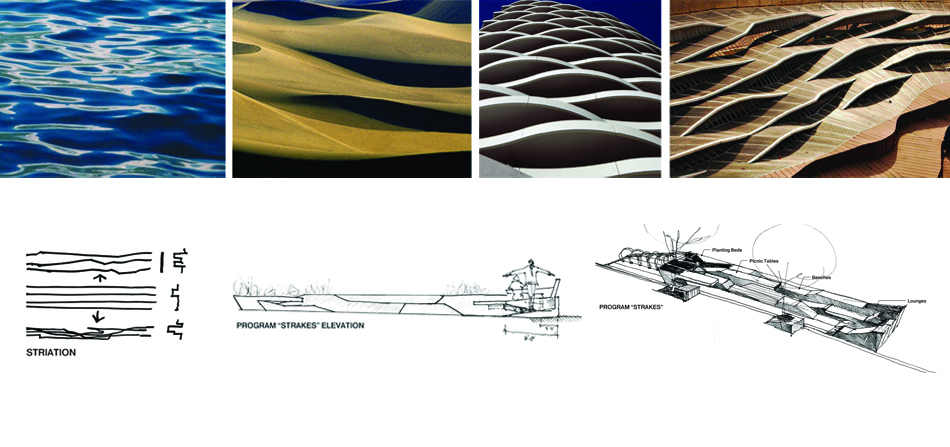
INTERSTICE Architects explored the common sculptural aspects of the city to create this neighborhood parklet. San Francisco’s topography often stands in stark contrast with the regular city street grid—this became a guiding metaphor for the project’s development. Despite a deceptively regular street grid, San Francisco’s topography is famous for its undulations (like waves or sand dunes). Four streets cut from different parts of the city’s fabric would hardly matchup when placed next to one another. Rather, they would create juxtapositions along their sectional edges, and this became the operational device for how the Sunset Parklet would be articulated. The pro-bono design project is a monolithic riff on the diversity of the city’s street sections, by which four adjacent streets undulate and double back to create a rich interplay of ground, seats, tables, and planters for community use.
Diverging and Reuniting
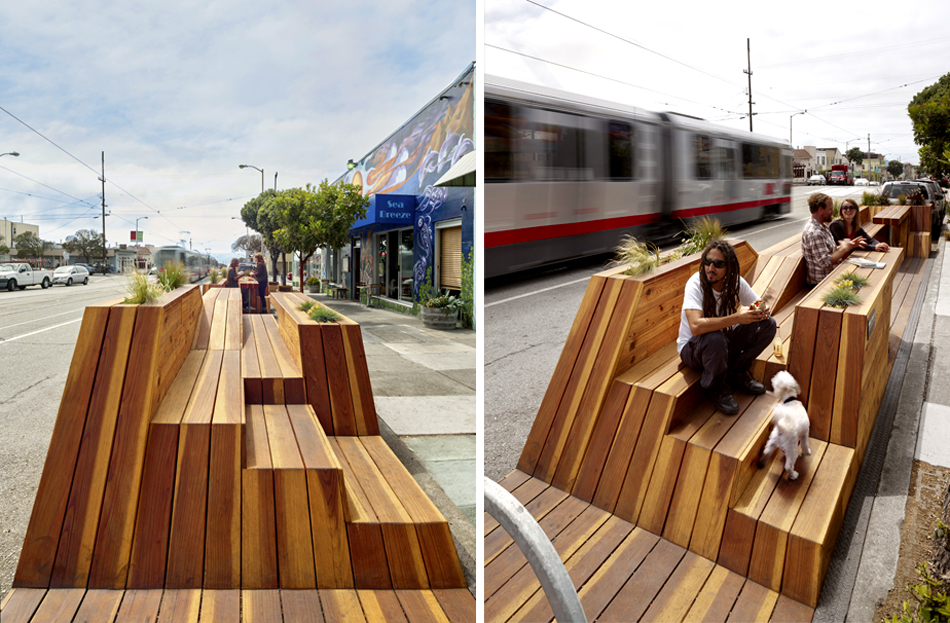
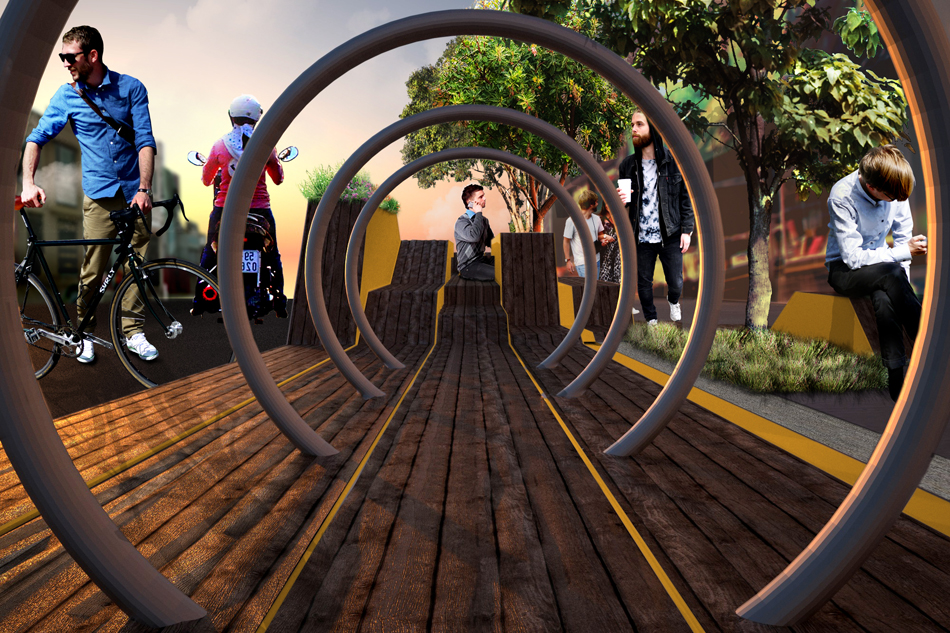
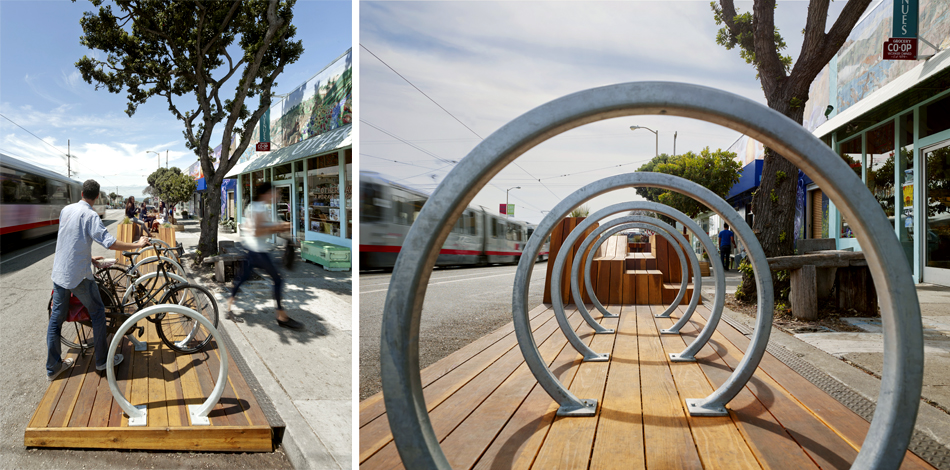
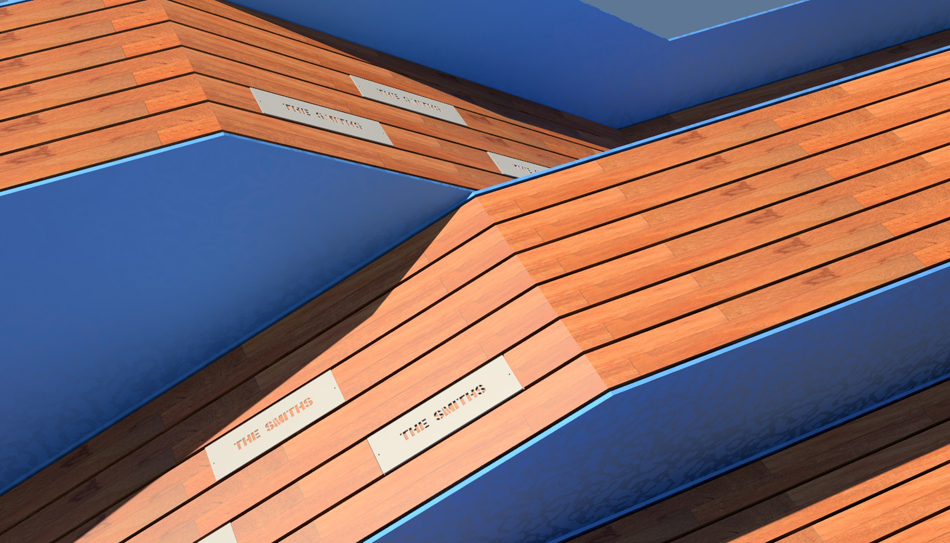
The entire 50-foot-long site was conceptually divided into four equal 18-inch parallel strips which align at the uphill eastern edge in order to create an MTA-approved bike parking platform. Like a coastal edge, they continue flat and beach-like until these strips suddenly diverge vertically to follow seemingly independent programmatic objectives. Each of the four “street” strips undulate and double back upon themselves to become seats, lounge chairs, tables, benches, planters, and accessible areas. All of these elements reunite to form a raised planter that shields the windward western edge like the prow of an ancient longship.
Location: San Francisco, California
Owner/Client: Other Avenues Market / Sunset Cafe
Scope: Parklet
Status: Completed 2014
Photography: Cesar Rubio
Award: Special Recognition, AIA San Francisco, Urban Design: Sunset Parklet, 2015
826 Valencia Tenderloin Center
Weird and Wonderful
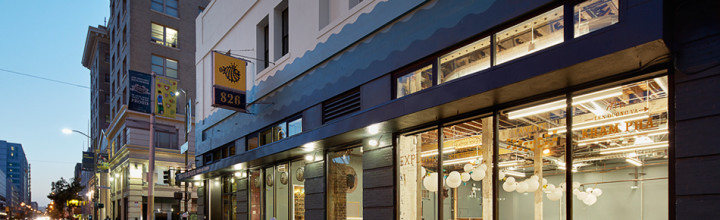
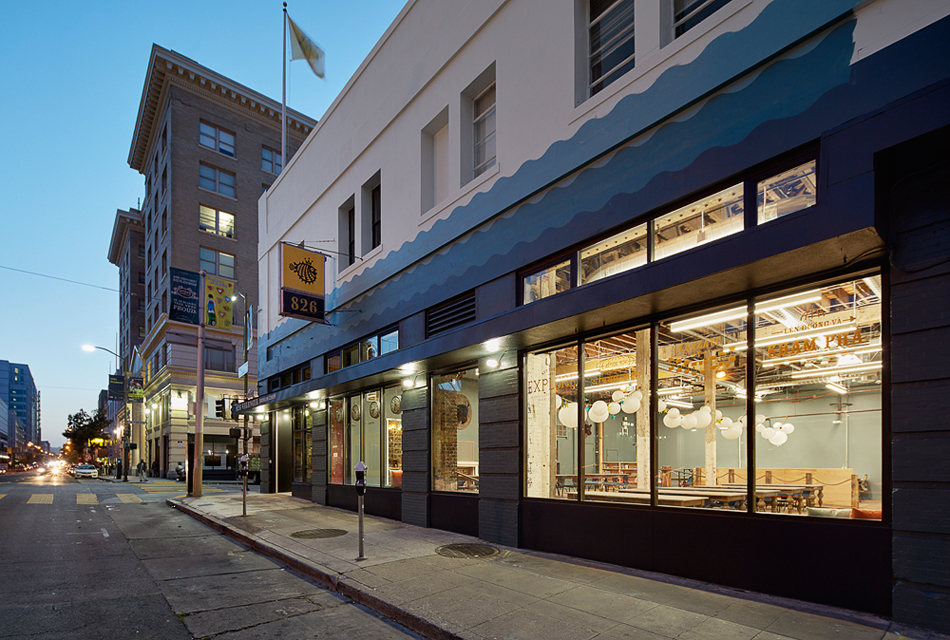
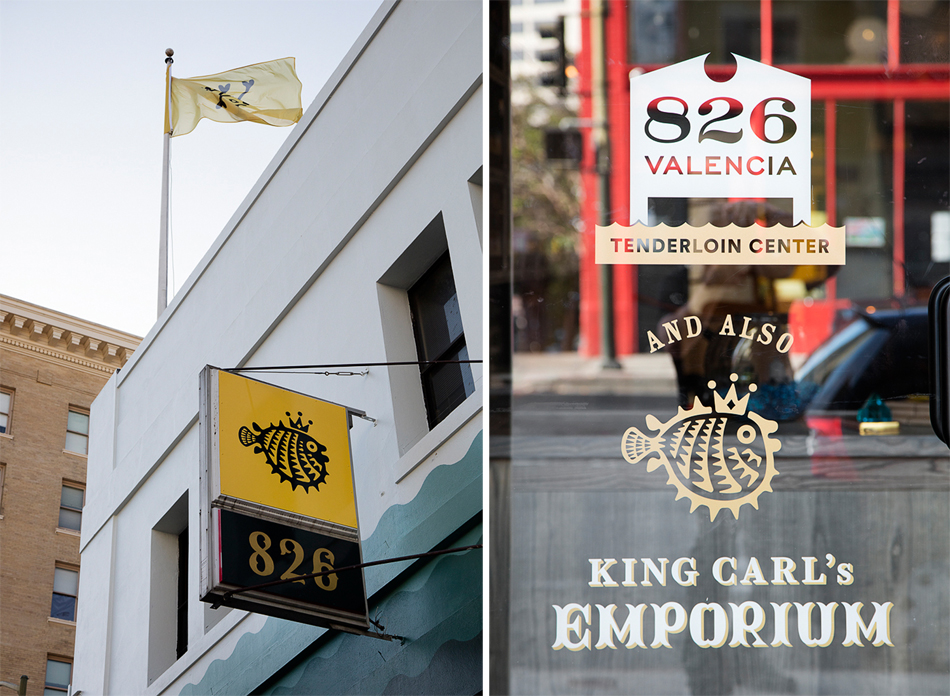
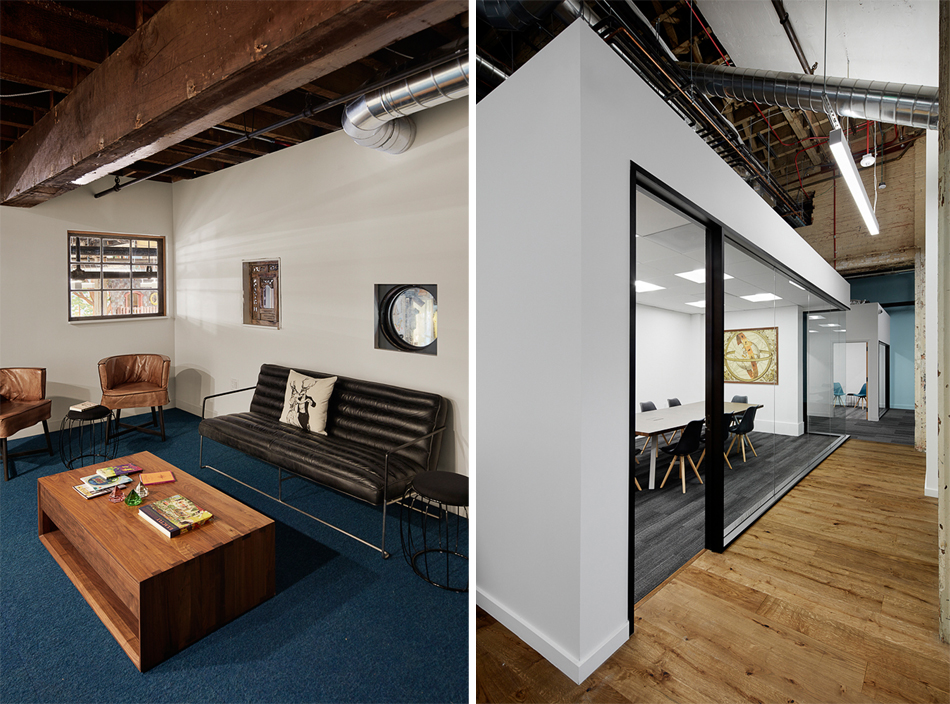
Situated in the heart of San Francisco’s Tenderloin Neighborhood, INTERSTICE Architects partnered with the 826 Valencia nonprofit organization to create a space dedicated to supporting teachers as they inspire San Francisco Bay Area youth in developing their creativity through writing. The new 5,200-square-foot space serves as a stimulating workshop, a curious retail outlet, and the central administrative offices of this national nonprofit organization. With enormous support from the community, and heroic cooperation from professionals, contractors, and suppliers, 826 and its new Tenderloin Center will serve as an important catalyst for future creativity in this vibrant and historic neighborhood.
A Labyrinth of Discovery
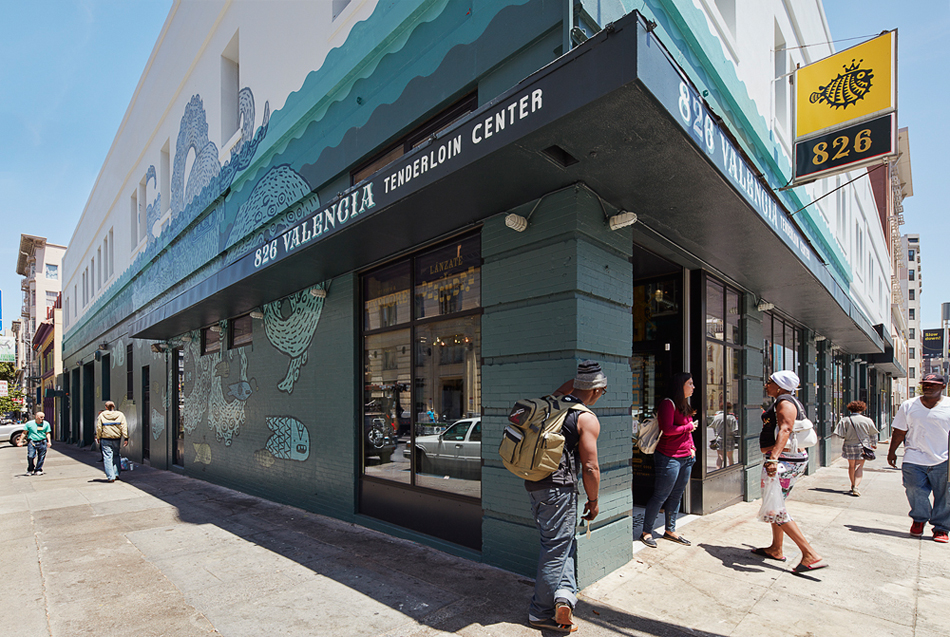
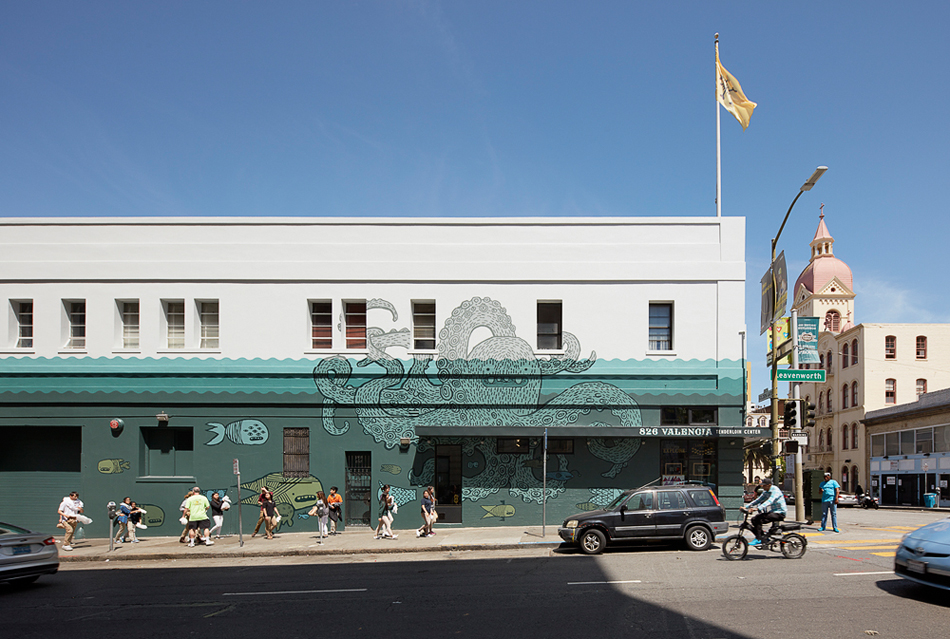
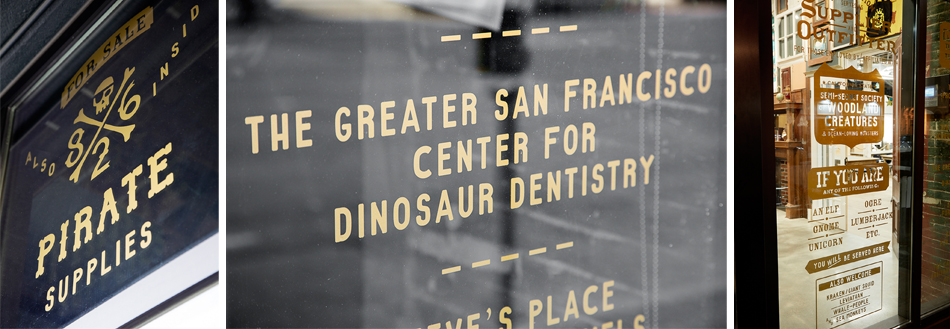
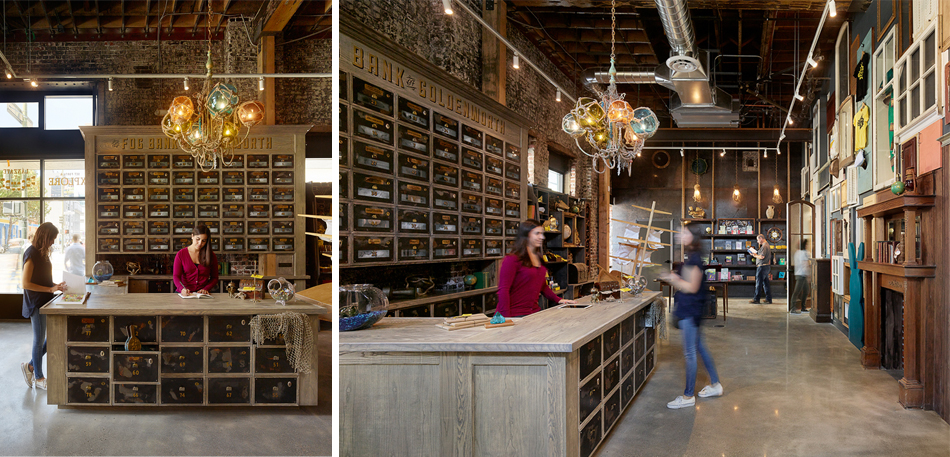
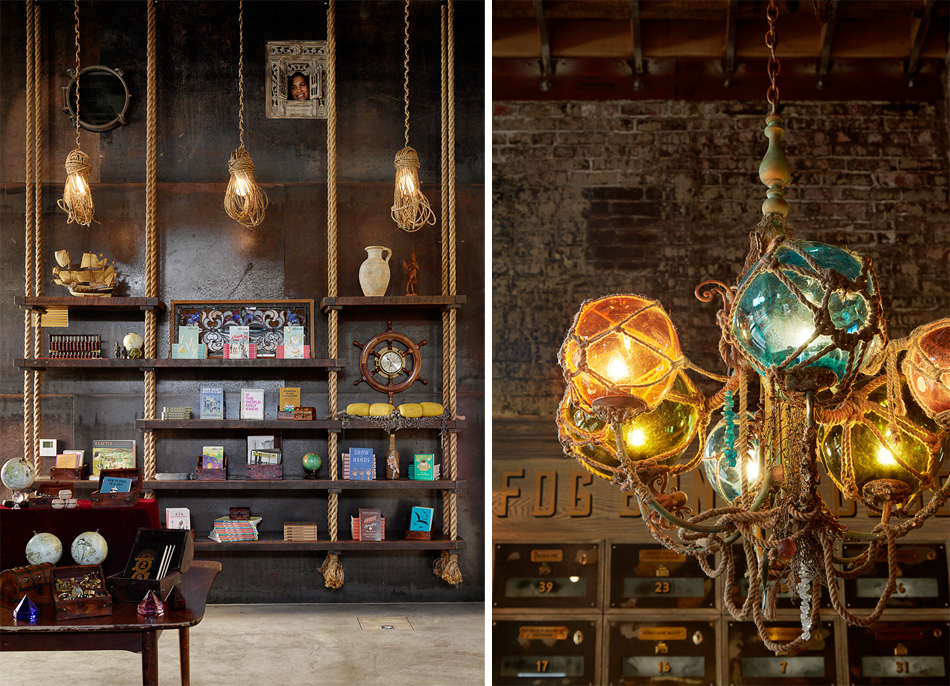
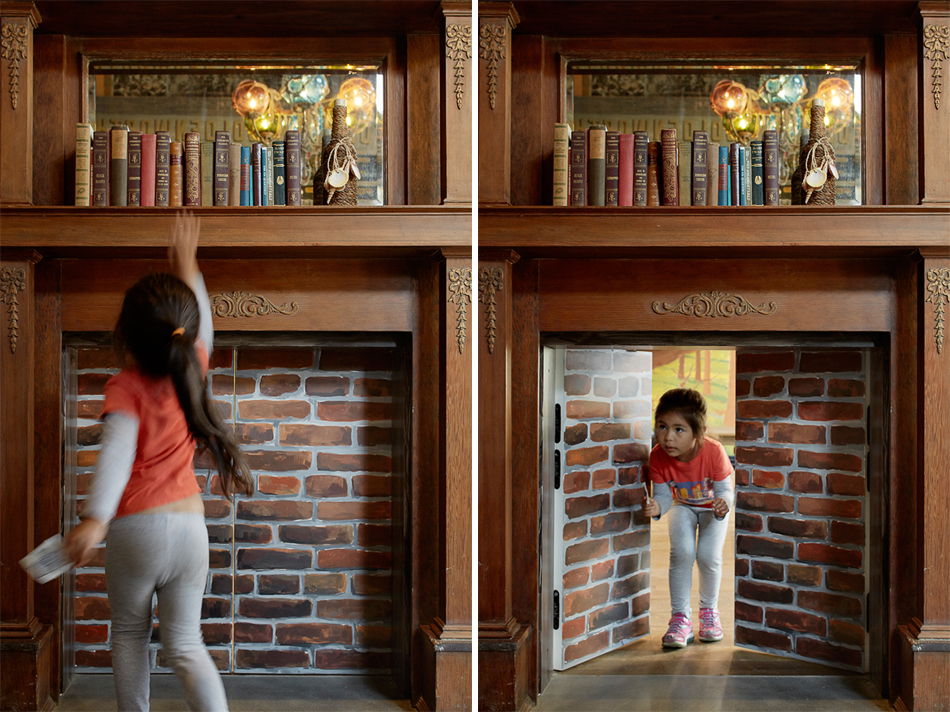
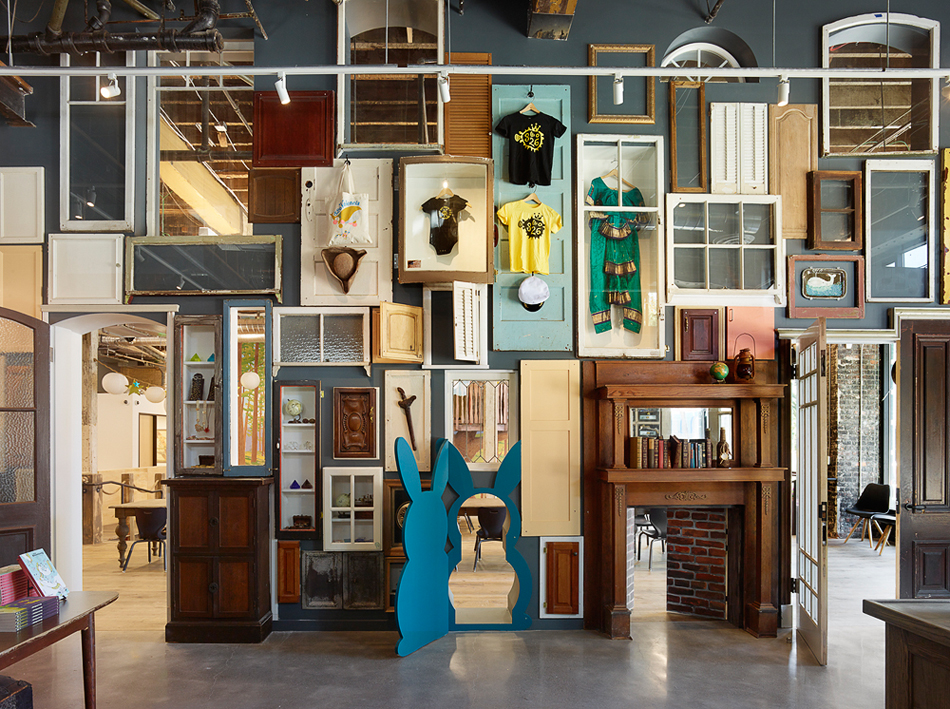
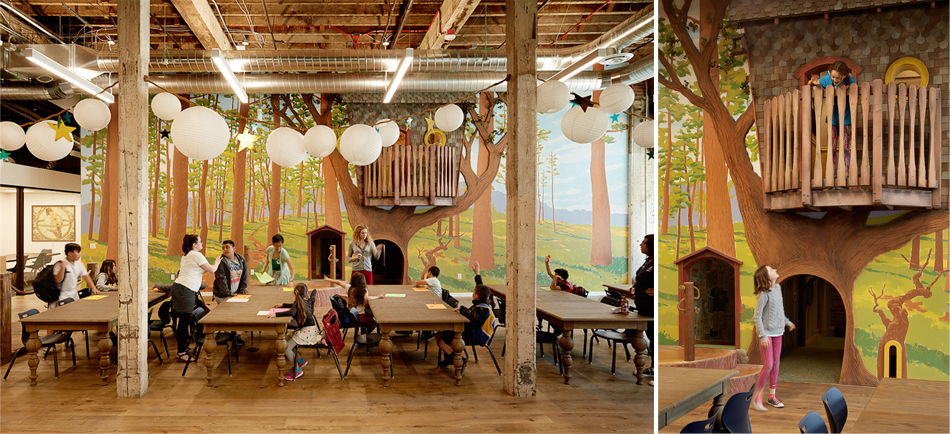
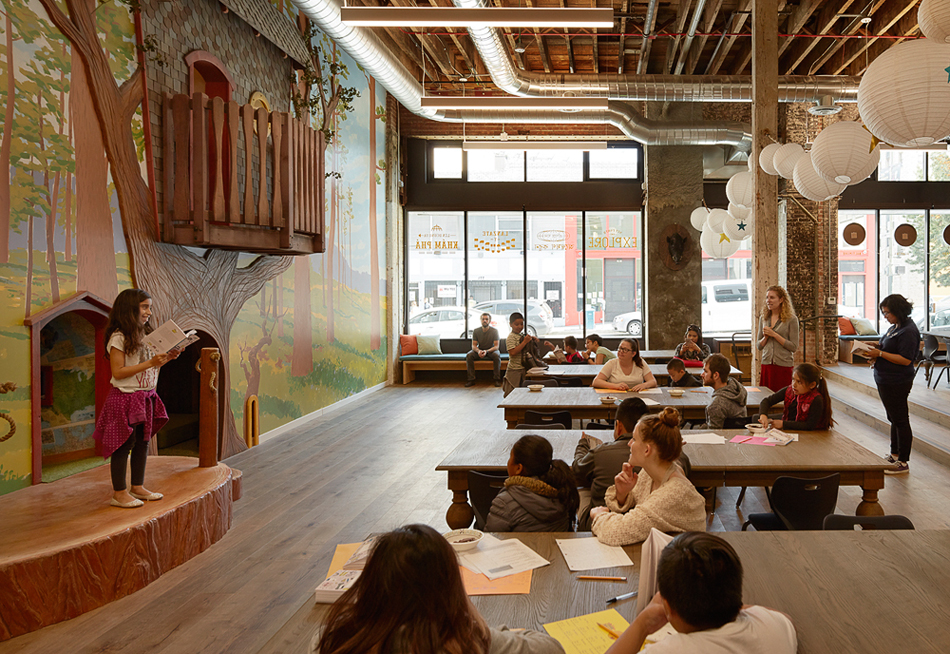
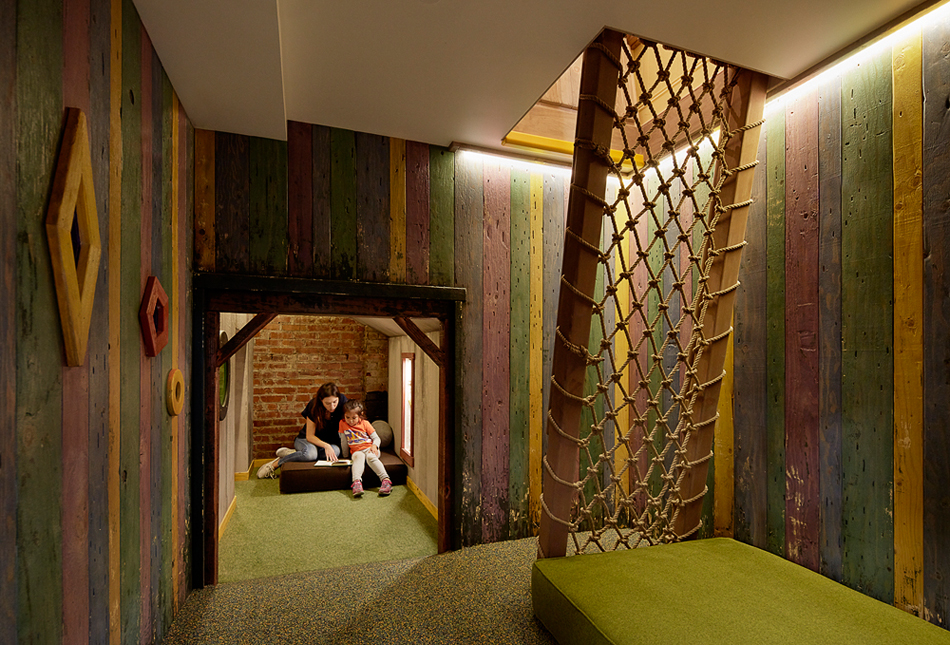
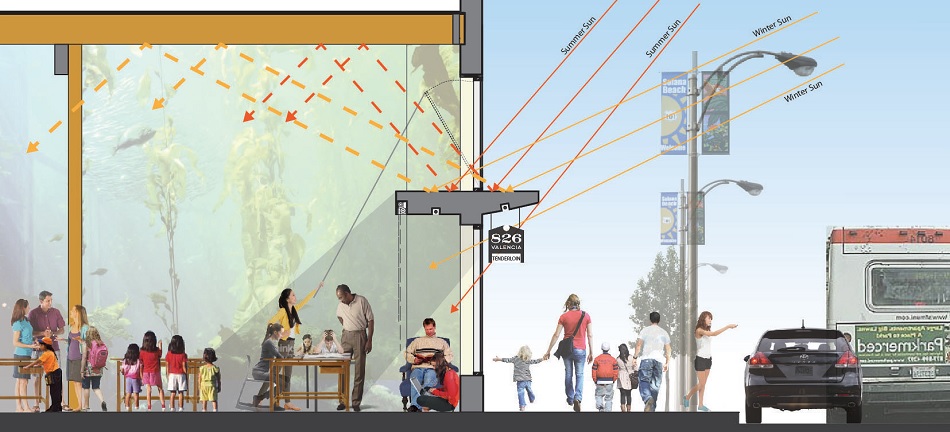
The 826 Valencia Tenderloin Center embraces the magic of childhood, creativity, and learning. Entering the main retail storefront, King Carl’s Emporium, one is surrounded by objects with a whimsical twist: a clock on the wall displays the time in the (some say mythical) city of Atlantis, wooden pens contain what is advertised as giant squid ink, and glitter is a handy “Gnome Be-Gone” solution. Multiple secret doors lead visitors through a labyrinth of spaces to explore, including nooks for reading or play. Behind the Emporium’s facade lies a large writing space with communal tables for student collaboration where a treehouse, built into the wall, can be accessed via a hidden staircase in the tree’s trunk. A tree-stump-shaped stage for performances and presentations extends the forested imagery from a full-wall mural of a sunny, wooded hillside. What was once a boarded-up exterior was transformed into a wall of windows, not only letting in natural light, but allowing the community to peer in and see—and perhaps be inspired by—young people hard at work.
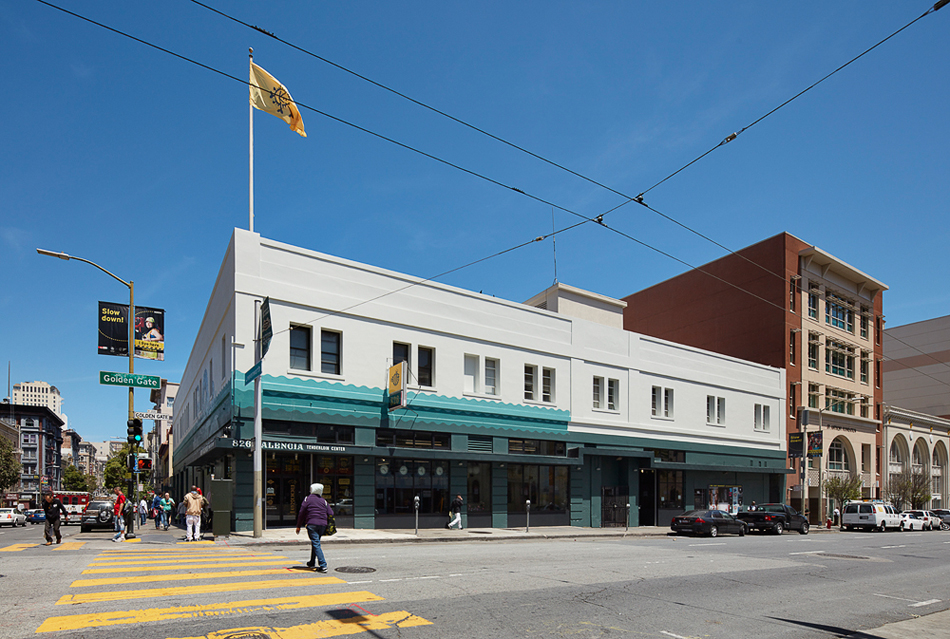
Citywide Collaboration
INTERSTICE has had a unique relationship with 826 Valencia, beginning as neighbors: the firm’s first office was only three blocks away in the Mission District where 826 Valencia had their start in 2002. Over the years, a continued friendship has centered around education and design. This friendship resulted in 826 approaching INTERSTICE to work with the nonprofit and fellow San Francisco-based architecture firm, MKThink, to help conceptualize the project and its programming at the early stages. From there, the energetic and committed team grew to include a highly capable group of consultants including Gensler, Office and BCCI Construction, MKThink, Glumac and Tipping Engineers, all of whom came together to support this unique project. Not only has the project reinvigorated and strengthened the existing structure, its influence will be felt on the streets and in the homes of the larger community that has just begun to realize its creative light. 826 Valencia has ultimately brought a creative, safe, weird, and welcoming space for children—as well as the extraordinary adult volunteers that make it all possible—to a highly underserved community in the geographic center of San Francisco.
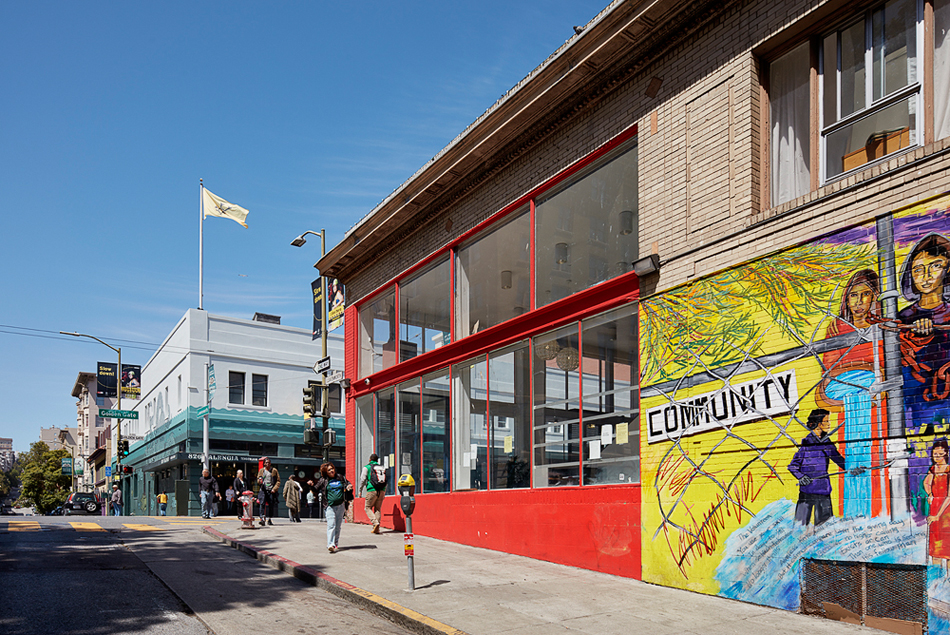
Reshaping the Narrative
Historically, this corner of Golden Gate Avenue and Leavenworth Street has been one frequently patrolled by the police force. Before 826 took over the lease, this space was a liquor store, notoriously complicit for drug trafficking and uncivil behavior. Many parties including the Mayor’s Office and Supervisor Jane Kim’s Office, as well as police and neighboring partners have all invested in this project, leading to a below-market-rate rent on a 20-year lease. This confluence of energies, including the support of numerous private donors, has enabled 826’s organization to realize a transformative project in an area of the city where it is most desperately needed.
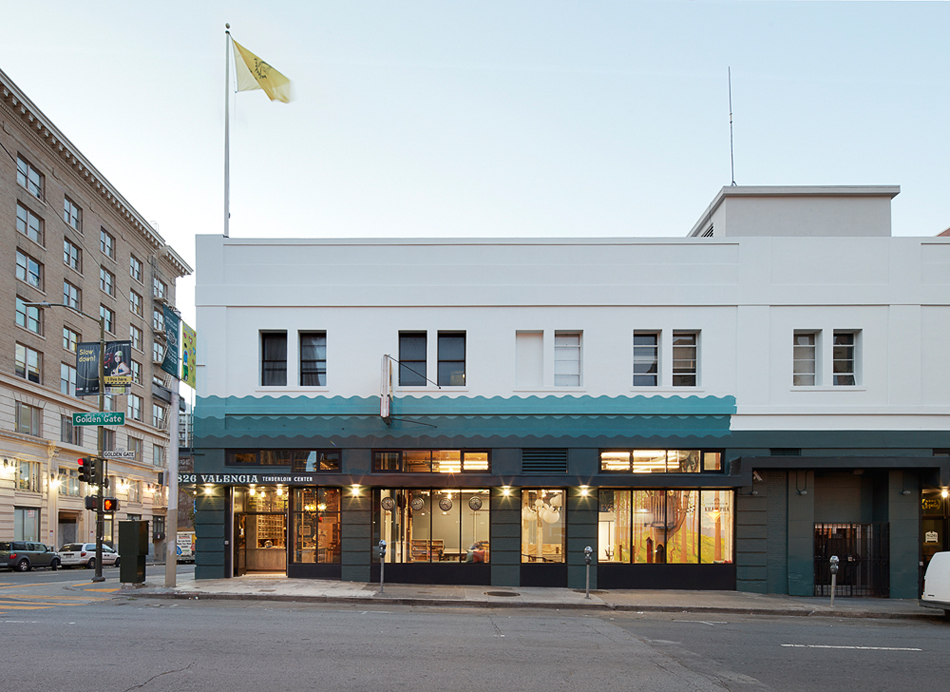
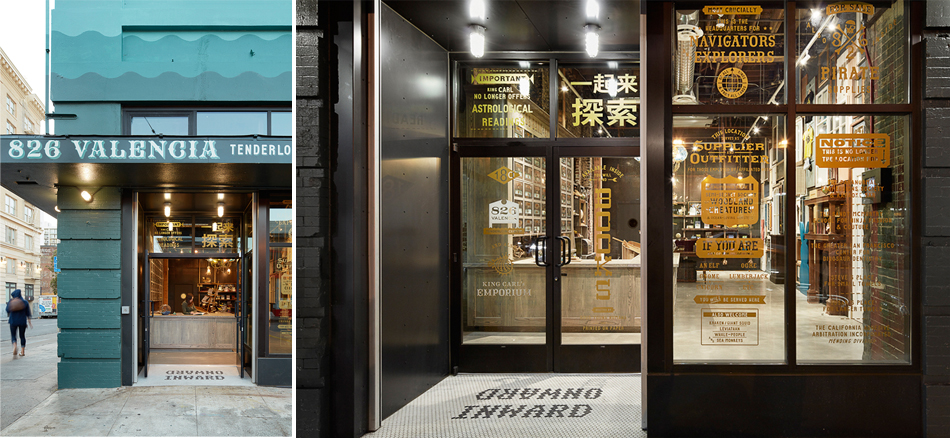
Pirate’s Parklet to Tenderloin HQ
INTERSTICE started its formal collaboration with 826 Valencia back in 2011 to create an interactive ephemeral architecture that extended 826’s presence into the Valencia corridor. We created a Temporary Parklet from repurposed shipping pallets in front of the (in)famous Pirate Supply Shop at 826 Valencia in the Mission District. Working with the kids in the 826 studio, INTERSTICE hosted a design workshop with the young student creatives who imagined a storytelling vessel, fittingly called the P’Aaaarrrrr’klet, which boasted a tree as its main mast and grass on all decks. We repurposed 150 shipping pallets, lashed together with cargo straps and railroad ties to construct the Parklet hull around a tall Mast-tree that flew the Jolly Roger, where stories were told and oranges served all day long — to ward off scurvy, of course!


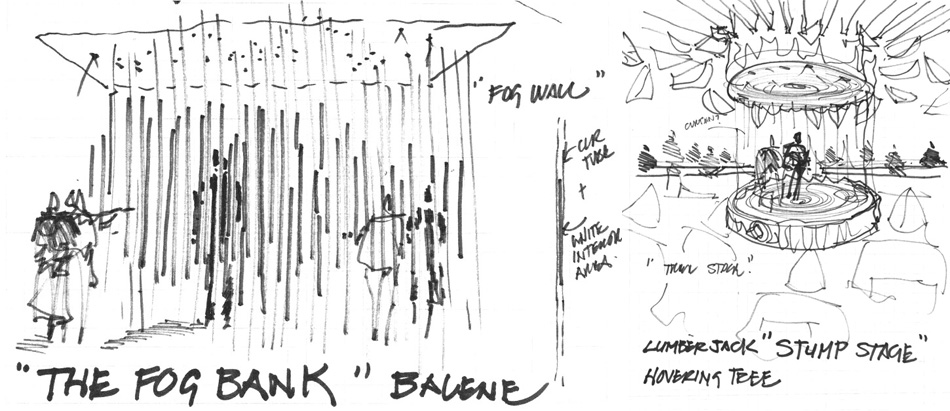
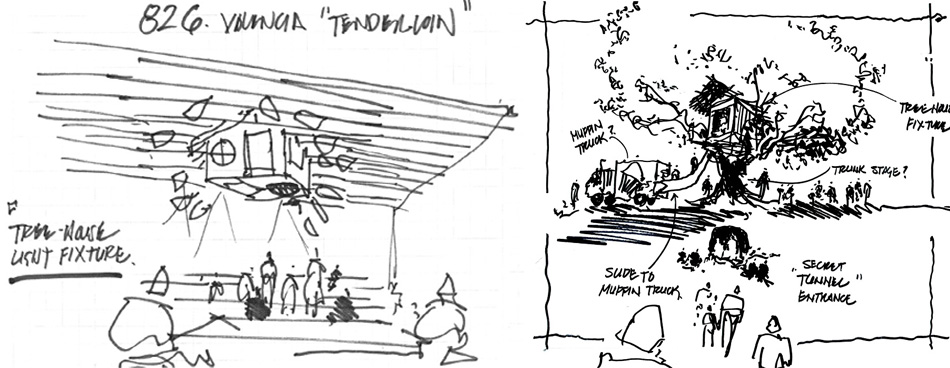
INTERSTICE Early Concept Sketches
Location: Tenderloin District, San Francisco
Owner/Client: 826 Valencia
Scope: Exterior / Façade Improvements, Historical Coordination
Status: Completed 2016
Photography: Matthew Millman
Awards:
– AIA San Francisco Special Commendation Award, 2017
– IIDA Northern California Chapter, Merit Award, 2017
– Contract Magazine Awards: Education, 2017
California Street Cable Car Turn-around Vision Plan
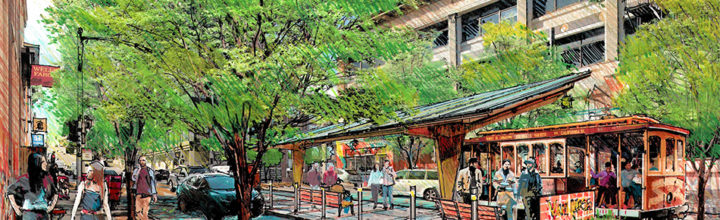
Realizing an Urban Vision
The Lower Polk Community Benefit District, working with the Lower Polk Neighbors, brought together neighbors, city agencies, and business owners to harness the power of collective interest – working to find the confluence of hopes and aspirations for a better, safer and more invitingly pleasant Cable Car Turn-Around, and focusing those interests on making their collective vision a reality. By mobilizing the various local and City coalitions, the collective expects to optimize the LP-CBD’s ability to tap into future funding sources to actualize over time these street improvements and pedestrian enhancements. This is what IA set out to do when The California Cable Car Vision Plan, was commissioned by the Lower Polk Community Benefit District in October 2019 to embark on a neighborhood-led collaborative design process that would result in a new vision for the California Cable Car Terminus.
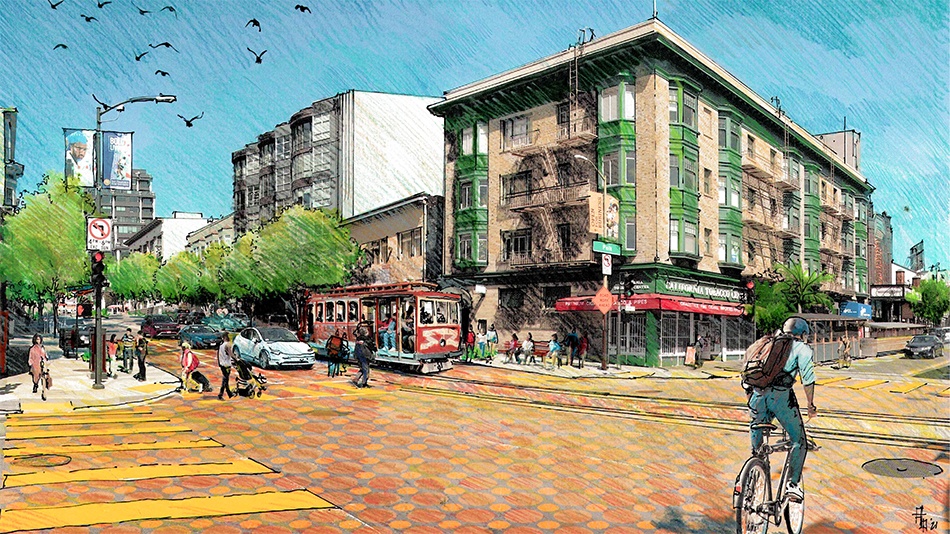
Polk Plaza Concept
A critically important new focus is on the intersection at Polk Street: The Polk Plaza. The Plaza will be at the actual intersection of Polk and its four cornered enclosure. At this first stop (In Bound) or penultimate West bound (outbound) stop, a distinct pattern and color is meant to differentiate it from the Van Ness Platform area. The plaza’s signage and graphics are proposed to expand on and elucidate the cultural life and unique mercantile mix of this community and its distinct neighborhood that extends south to Civic center and North towards Fort Mason and the Bay.
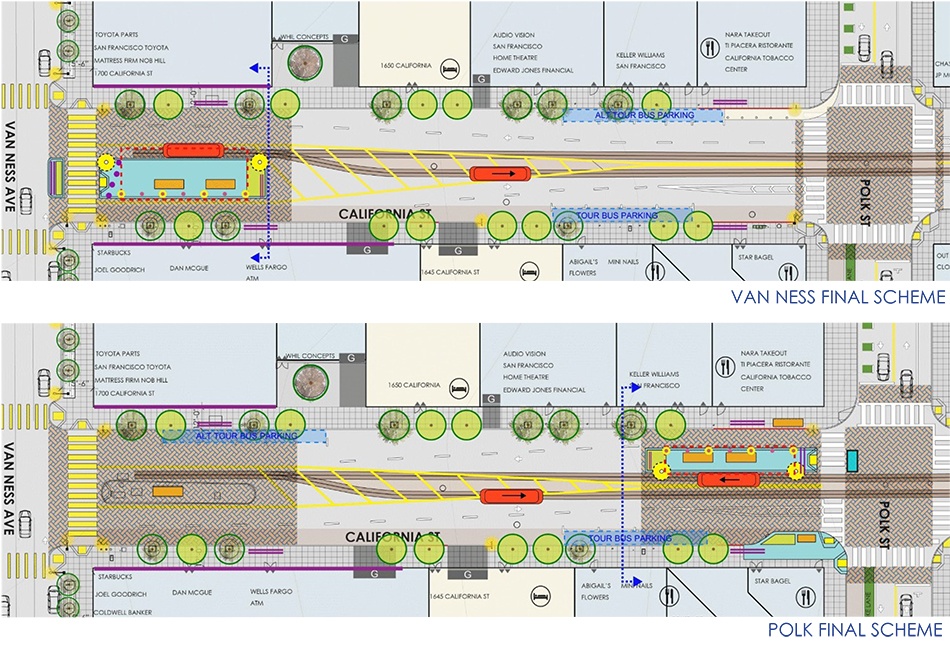
Here, bulb outs would allow and encourage street performers and a more gracious lingering, a hub and way-finding for those entering the Polk Corridor. At the Plaza, protected from the noise and traffic of the busier Van Ness Gateway, street musicians and sidewalk food stands might make better use of the slower more leisurely paced Polk corridor foot traffic. To this end, the plan and guidelines provide an integrated tool kit of strategies and graphics to communicate a visual and material link between the Cable Car line and the Polk Street Corridor. The existing stop at the Polk intersection is envisioned to be the pedestrian privileged extension of the larger Transit Hub to the west at Van Ness. This location would be the logical place to disembark for those not continuing on to transit points north or south or West. We propose a Polk -centered Plaza that would allow tour buses to park and unload or reload their camera classed cargos. Here, the bike paths and enhanced crosswalks would clearly signal a place for people, where cars are guests to be tolerated and accommodated, but not prioritized. This would be a place to begin exploring the Neighborhood and its restaurants and famous bars, or, a starting point to walking down to the Civic Arts Center along Polk. All without compromising the main thoroughfare of commuters as they might proceed on to the Rapid Transit Options further west at the main turn-around on the same block.
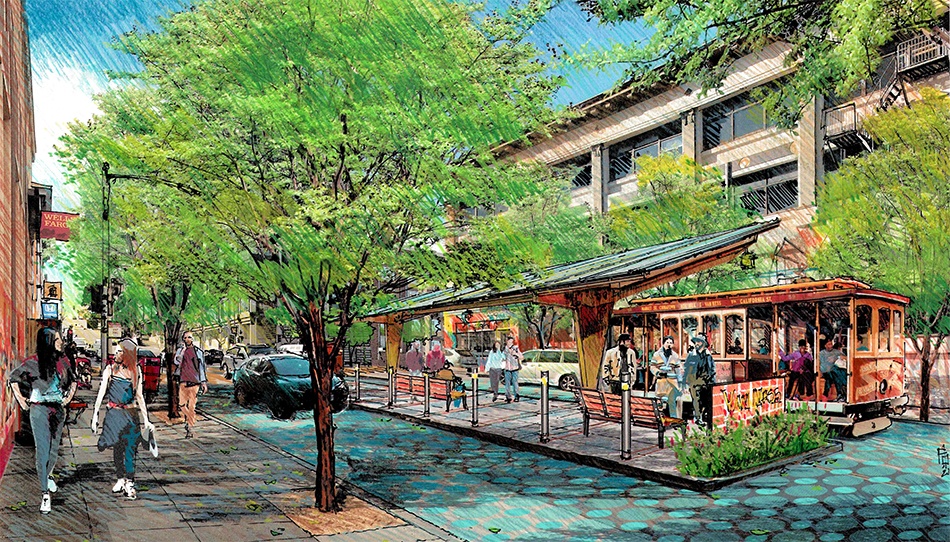
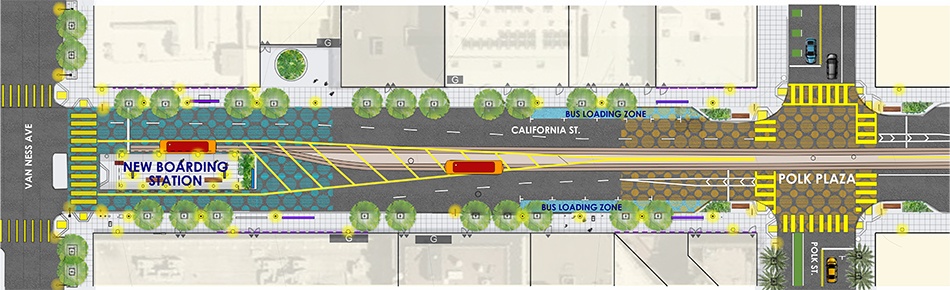
A Great Cable Car Terminus and Polk Plaza Benefiting the Whole Community
The intent of this vision plan, and the illustrations included within, is to describe a possible future. It recognizes that this change will take coordinated efforts of multiple agencies and a large capital investment that is beyond the capacity of any one of the many community voices that have helped create and propel its direction. The total vision described here concentrates on the Van Ness Station point, but has implications for change that extend to blocks west and east that will enable that infrastructural change. Traffic will need to be organized through striping and right turn lane only signs, or directive signaling for trucks and other special vehicles, one block west of Van Ness for those traveling east to allow for the enlargements of the terminus platform proposed here. At this Polk Street Gateway, bulb-outs and traffic calming intersection upgrades and super graphics are used in conjunction with furnishings, lighting, bollards and other described amenities to create a very different and exceptional intersection. The intent, as illustrated here, is to ensure that the other circulation systems, be they vehicular, bicycle, or pedestrian, will all arrive on this block to understand it clearly as a pedestrian oriented precinct.

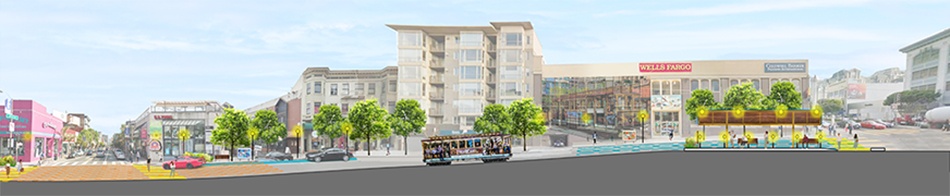
The public realm is the place where we need to be making these major investments on behalf of the people. It is the goal of this Vision Plan process to allow the people to speak in one voice towards actualizing change in those areas of the public realm that most directly affect them and have the greatest chance of doing the most widely distributed good. These are expensive things to realize and expensive places change, but first we must know how to ask for what we want and need. It is the hope of this Vision Document that that voice is clear and the goal is well defined – such that it might next be actualized.
Location: Polk Merchants District
Owner/Client: Lower Polk Neighbors / Lower Polk CBD
Scope: Cable Car Turn-Around Vision Plan
Status: Completed 2021
Photography: N/A
Amy’s SFO
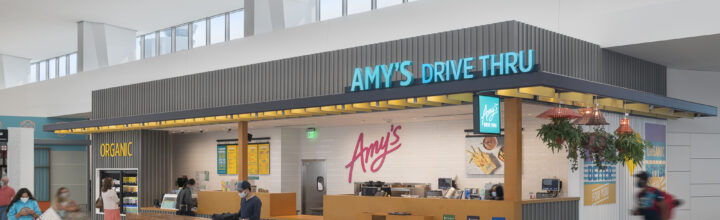
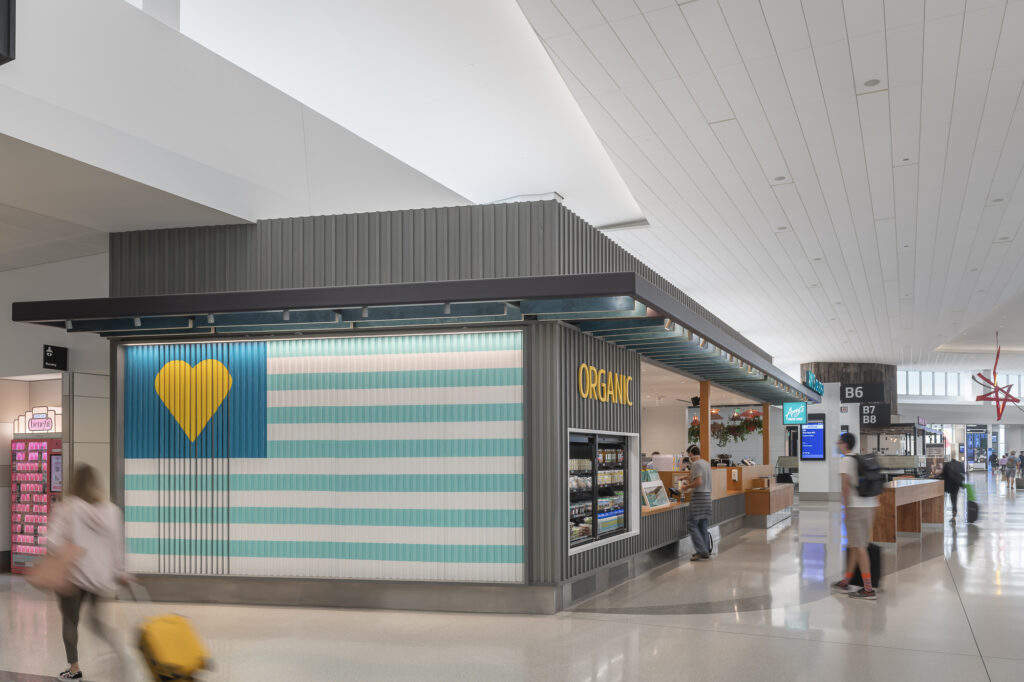
Drive-Through Goes Walk-Through
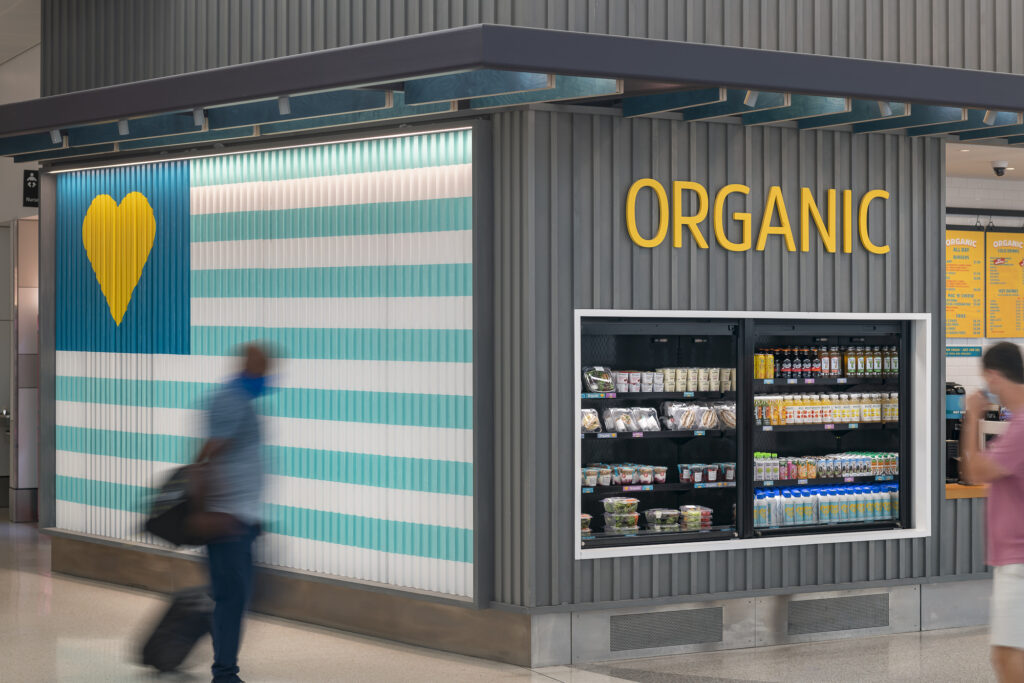
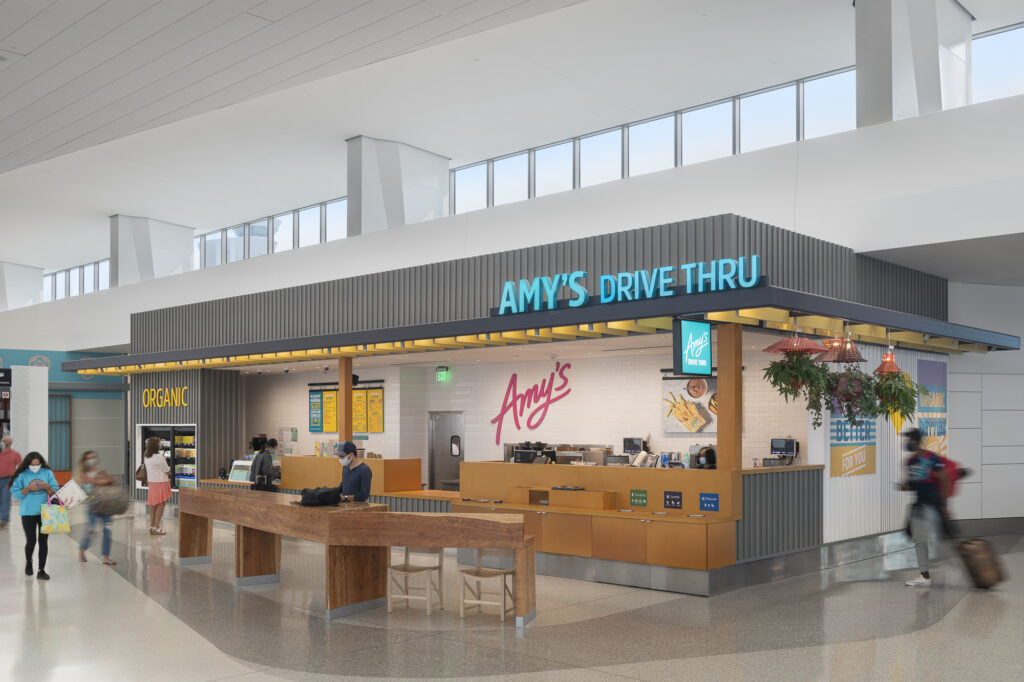
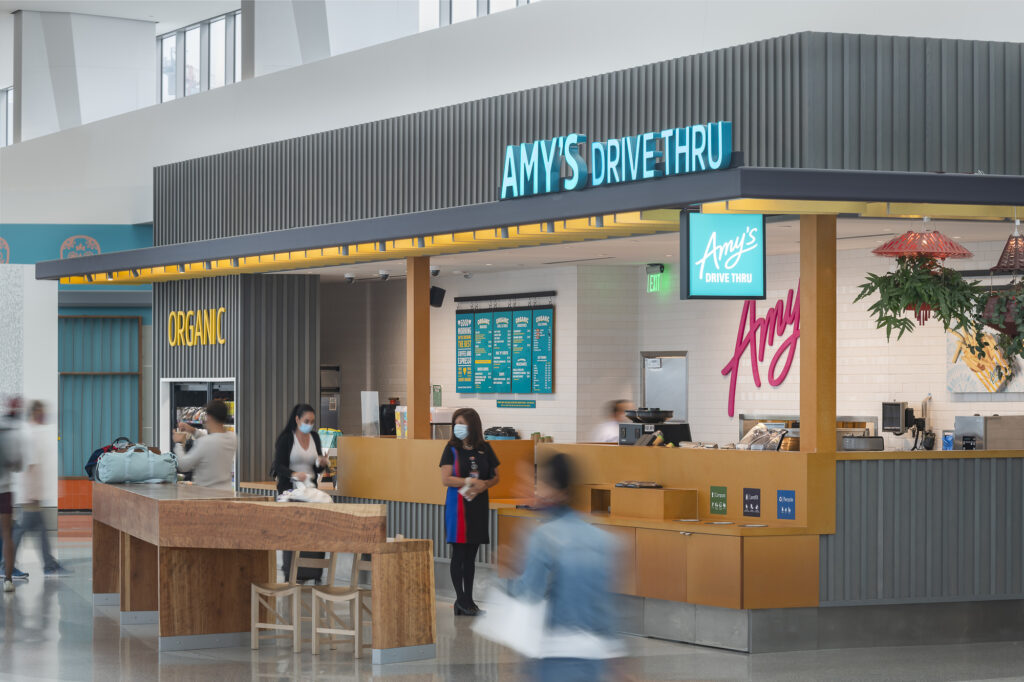
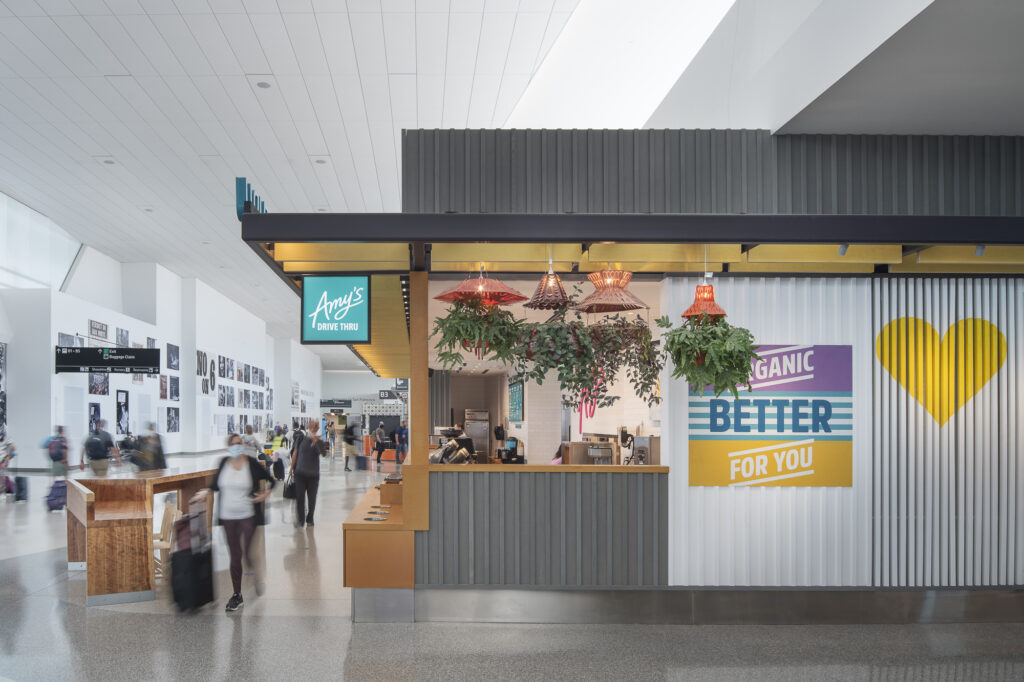
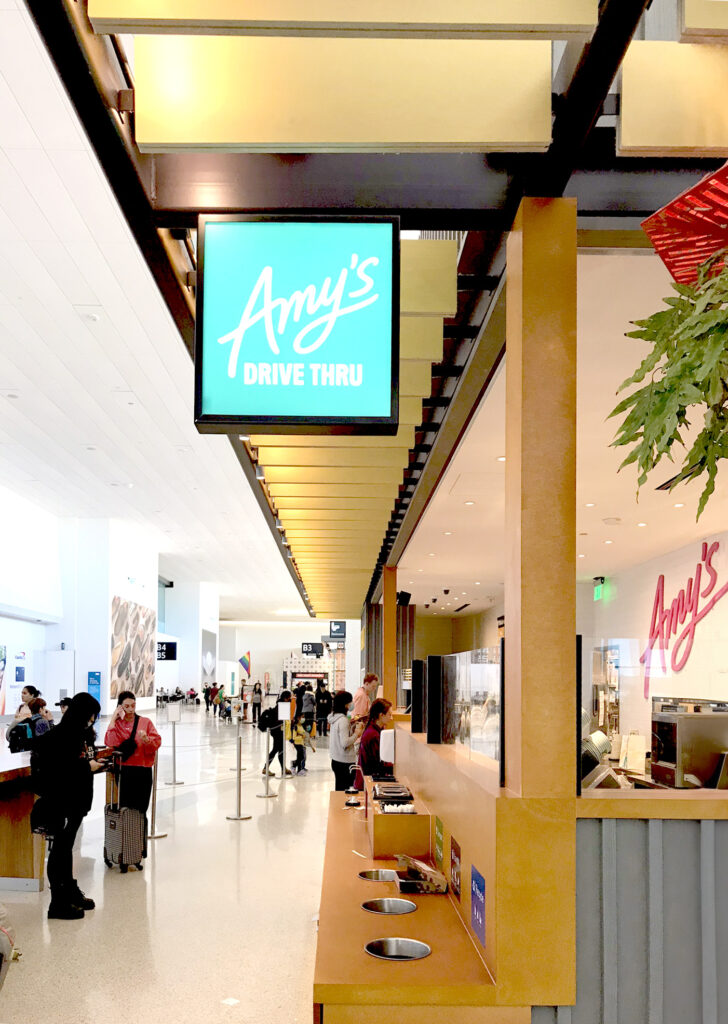
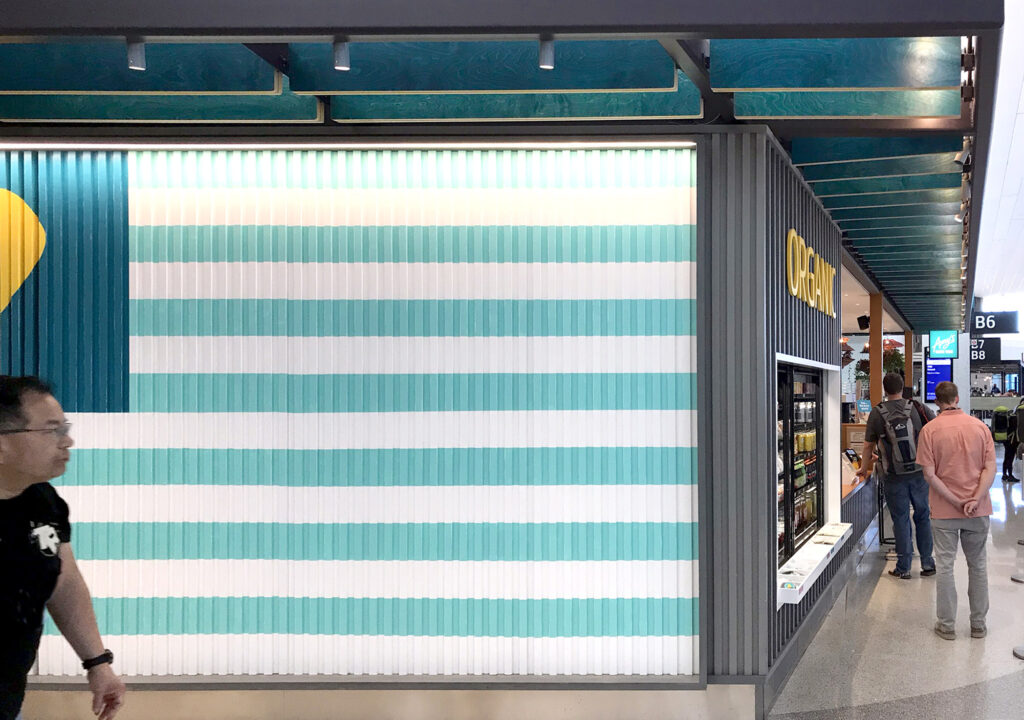
In Designing SFO’s new Amy’s Kiosk INTERSTICE was tasked with translating the Amy’s Drive Through concept that we had developed for Amy’s Flagship Drive-Through restaurant in Corte Madera, into a unique Walk-Through along the main concourse of the new renovation of SFO’s Harvey Milk Terminal. The challenge was to condense the warm and friendly farmhouse kitchen experience into to an interiorized jewel box miniature of this Farm-to-table classic.
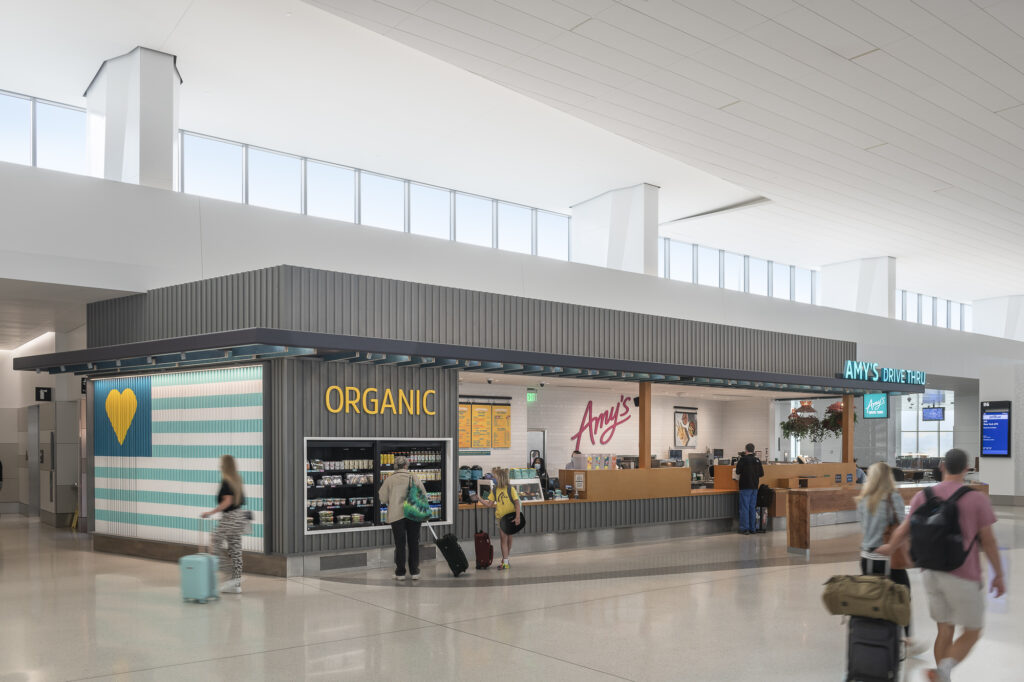
Amy’s is a seminal example of California’s healthy fast-food revolution and SFO International wanted to bring it to the airport travelers experience of local cuisine. Moving it indoors and bringing with it, the textures, vernacular energy, and excitement of the Amy’s “Foodie” community into the terminal promenade was our mission. Starting from the iconic imagery, and green driven design, of the home kitchen brand the new kiosk brings live plants in sculptural lights, massive natural live edge redwood counter bars, and innovative sustainable materials – to the already rich pallet of Amy’s all organic, full vegan and all vegetarian food options.
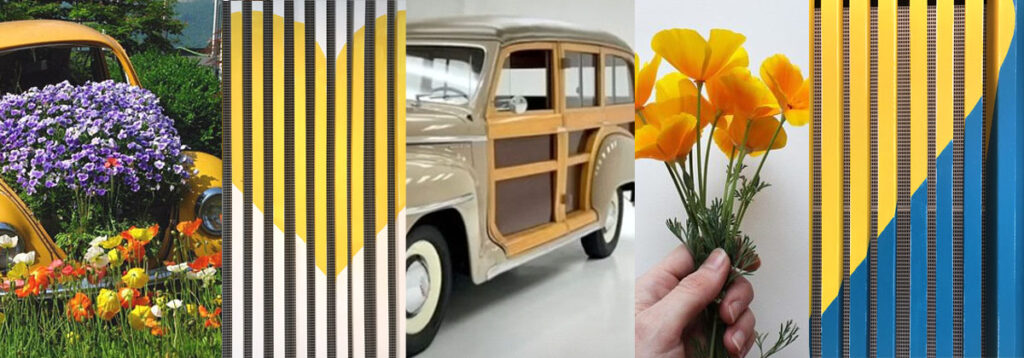
IA brought together the famous iconic graphics, eclectic handmade objects, and in situ hand painted signage, along with the retro-funk 60’s west coast vibe to the thousands of daily visitors to SFO from all over the globe – so they can sample, just by walking through the exceptional hallmark of the Amy’s Drive Through Food Experience!

Location: SFO Airport, San Francisco, CA
Role / scope of service: Architect Concept Design through Construction
Size: square footage: 850 sf. Kiosk
Owner/Client: Amy’s Drive Through Corp.
Status: Terminal Completed 2020
Alley-Cat Bench / Fern Alley Prototype
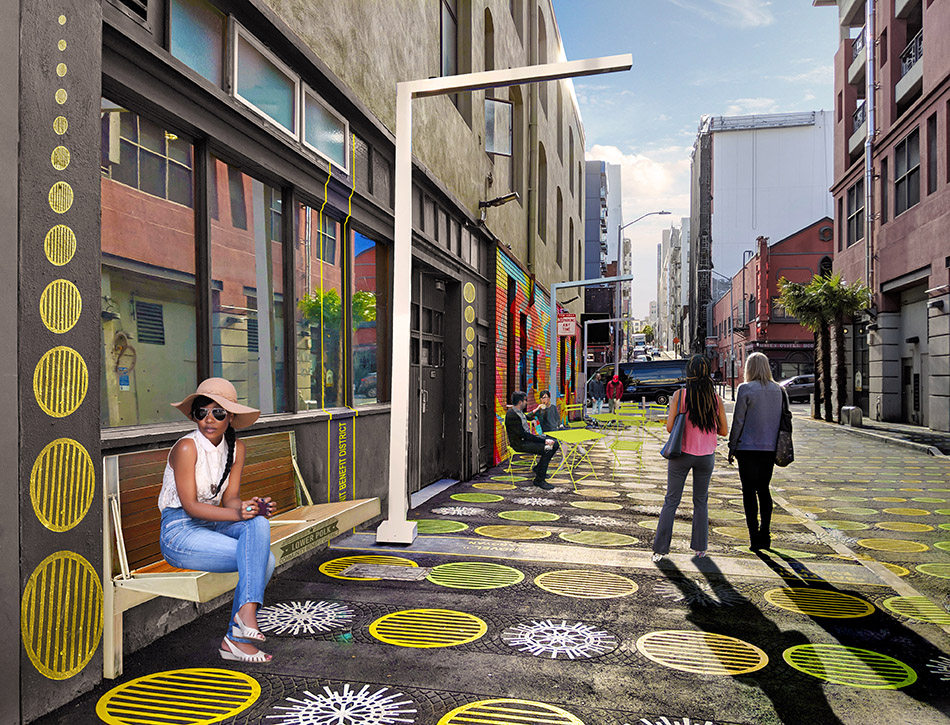
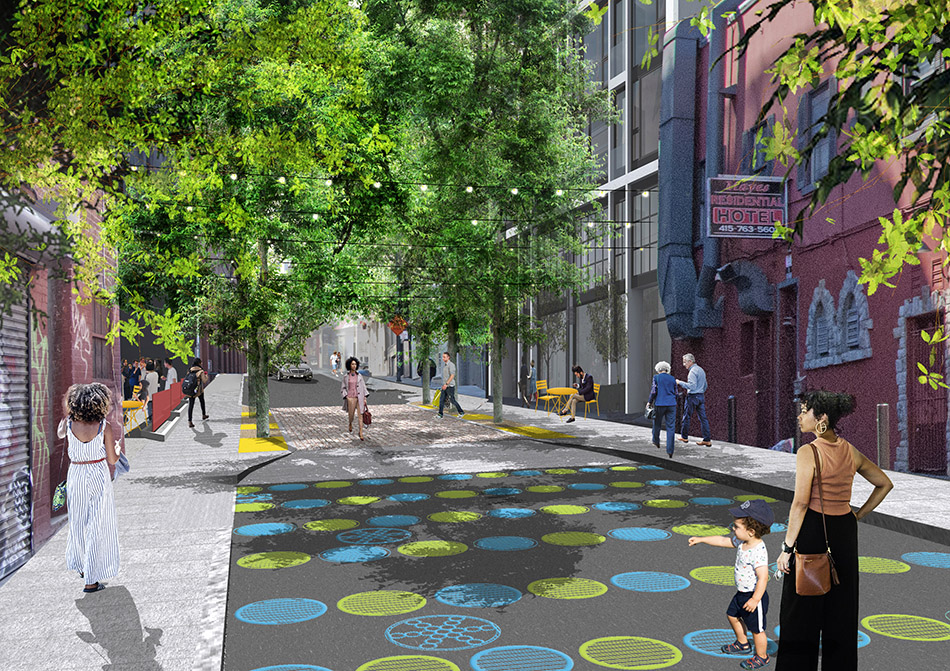
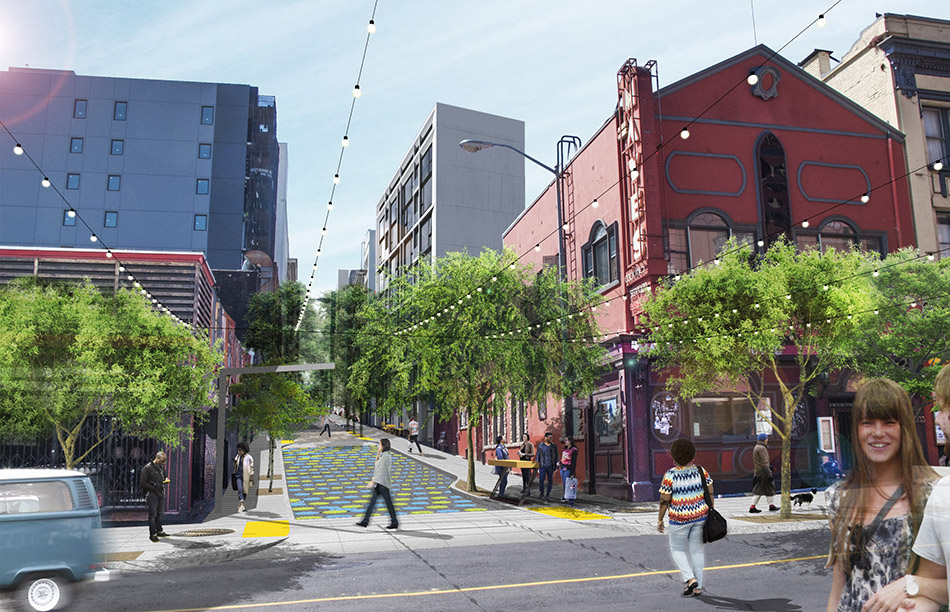
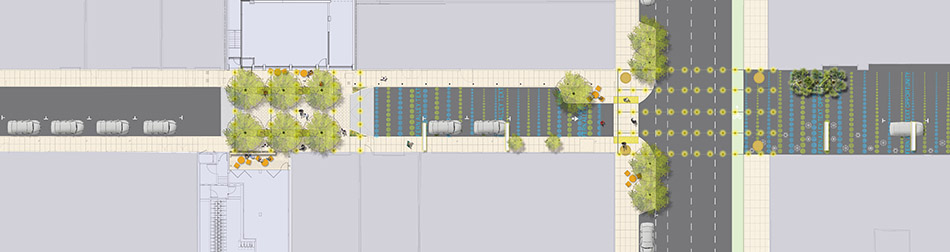
Fern Alley was one of the first Alley Alleys to be renovated under INTERSTICE’s Alleyways District Vision Plan sponsored by the Lower Polk Neighbor’s Neighborhood Association. Th Alleyway’s District Vison Plan (Link to master plan page) identified 12 alleys between Golden Gate and California Street for beautification towards making them publicly shared Green-Alley Commons spaces, focused on dining, and events and residential building entries, that enhance pedestrian street culture by leveraging the new adjacent housing development, and institutions like Music City and the Community Benefit district offices.
In collaboration with the city of San Franscisco and the department of Public Works (DPW), INTERSTICE hosted interactive community design meetings and developed this “Artists” alley specifically to honor the poets, musicians , writers and many creatives that have historically inspired this area. The Polk area once the original “Castro” district for the GLBTQ community from the time when the stonewall marches happened here in the late 70’s and its nightlife and eclectic mix of thrift stores, wine bars, music venues and funky shops and cafes which run the gamut from chic to shabby with something for everyone.
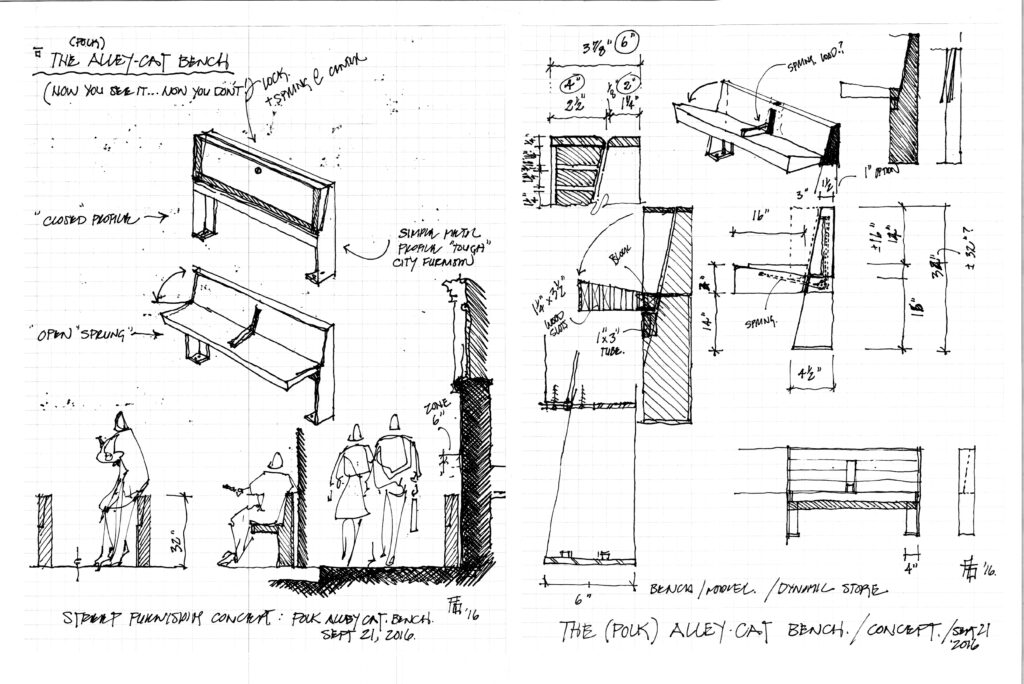
ALLEY-CAT Bench
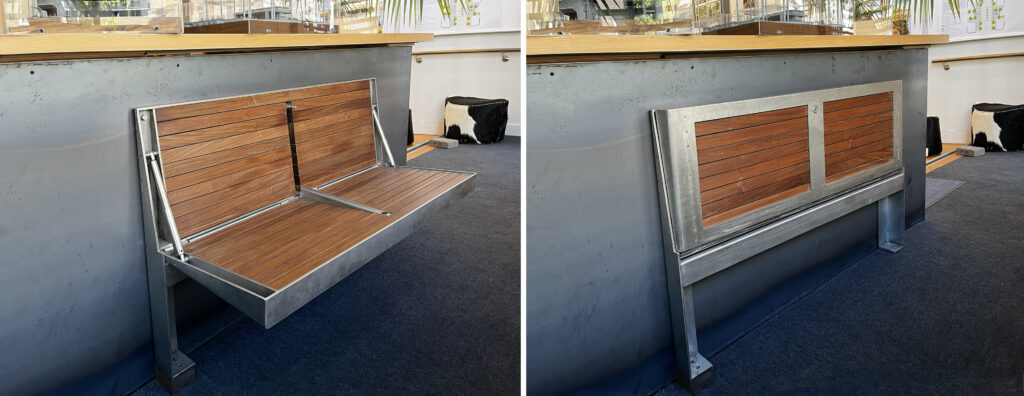
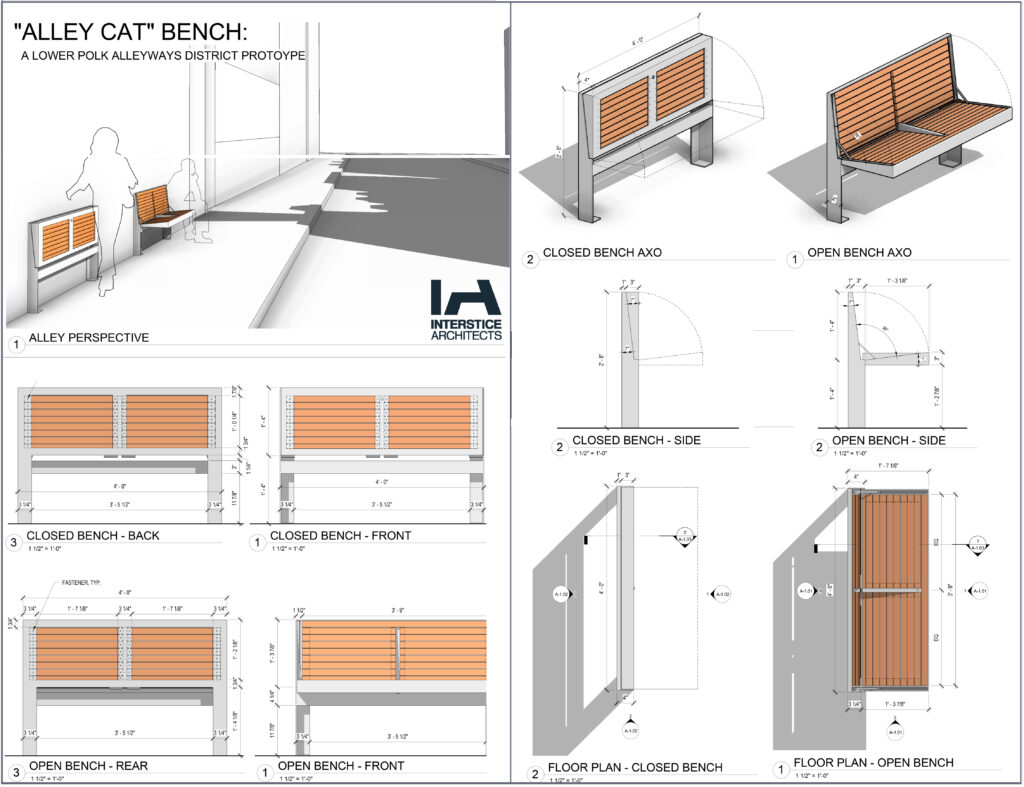
We designed The “ALLEY-CAT Bench” for these new alleyways – inspired by the need for public seating that could lock away, and “vanish” against the building facades at night to allow street cleaning and passage on already tightly cramped sidewalks typical of these smaller scale byways in the urban fabric.
This prototype is made of cold formed stainless steel and iron wood to make it Street-wise and very durable when opened as a comfortable bench for two – or when folded up to disappear like an Alley-cat in the wink of an eye. When locked it becomes a discrete and impenetrable rectangle of armored ¼” stainless steel.
In its locked Condition it farms a thin 4” profile and can be bolted directly against a façade into the sidewalk. This is the allowable projection from a building façade for a city sidewalk and so these benches can remain in place, in the public realm, to be deployed and controlled by the host business with a single key that opens and closes the folding street bench. Now you see it and now you don’t – The Alley cat bench is ready for roll-out. Contact us if you are interested in having one for your own street frontage!
Video courtesy of EnnisFlint TrafficScapes.
Location: Lower Polk, San Francisco
Owner/Client: Lower Polk Neighbors
Scope: Alleyways District Vision Plan & Concept Design
Status: Alleycat Bench Prototype Completed 2019
Photography: N/A